Ўзбекистон Ҳиндистон ва Покистонни вазминликка чақирди
Local
−
07 May 2025 5470 2 minutes
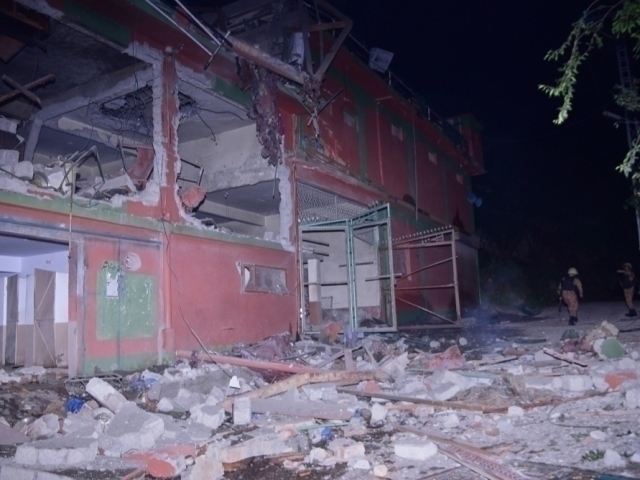
Бугун, 7 майга ўтар кечаси тунда Ҳиндистон Покистонга ракета зарбаси йўллади. Исломобод буни уруш ҳаракати деб атаб, жавоб зарбалари берди. Можаронинг кескинлашувига Ўзбекистон Ташқи ишлар вазирлиги ҳам муносабат билдирди.
“Ўзбекистон томони Ҳиндистон ва Покистон ўртасидаги кескинлашиб бораётган ҳолатнинг ривожланишини хавотир билан кузатмоқда. Иккала томонни вазминлик кўрсатишга, тинчлик ва барқарорлик манфаатлари асосида ҳаракат қилишга, вазиятнинг янада ёмонлашишини олдини олиш учун дипломатик мулоқотга устувор аҳамият беришга чақирамиз. Ўзбекистон вазиятни деэскалация қилиш ва тинч йўл билан ҳал қилишга қаратилган ҳар қандай халқаро ёки минтақавий ҳаракатларни қўллаб-қувватлашга тайёр”, дейилади ТИВ баёнотида.
Қайд этиш жоиз, Ҳиндистон ва Покистон ўртасидаги кескинлик узоқ вақтдан бери давом этиб келади. 1966 йил 10 январь куни Тошкентда икки давлат ўртасида ҳудудий низолар бўйича келишув битими имзоланган.
Ҳиндистон ва Покистон ўртасидаги вазиятнинг кескинлашуви
22 апрель куни Ҳиндистоннинг Кашмир ҳудудида қуролланган шахслар сайёҳлар гуруҳига ўқ узди. Оқибатда 20 дан ортиқ одам ҳалок бўлди. Воқеа содир бўлган Паҳалгам шаҳри машҳур сайёҳлик маскани ҳисобланади. У Ҳиндистон ва Покистон даъво қилаётган баҳсли ҳудудда жойлашган.
Ҳиндистон ҳукумати Кашмирдаги терактдан кейин ўтказилган фавқулодда йиғилишда Покистонга нисбатан кенг кўламли дипломатик ва виза блокадаси жорий этишга қарор қилди. Йиғилиш якунида Ҳиндистон 1960 йилда тузилган Ҳинд дарёси бўйича сув битимини тўхтатишга қарор қилди. Бундан ташқари, Покистон билан ягона расмий қуруқликдаги чегара пункти – Аттари ёпилди. Покистон фуқароларига визасиз кириш дастури тўхтатилди ва икки давлатдаги дипломатик ходимлар сони қисқартирилди.
Шундан сўнг Покистон ҳукумати Ҳиндистоннинг сув оқимини тўхтатиш ёки буриб юборишга уриниши ҳаракатини “уруш ҳаракати” сифатида баҳолашини билдирди. Кейинчалик Покистон Мудофаа вазирлиги ижтимоий тармоқларда Ҳиндистонга қарши урушга тайёрлигини билдириб, бир қатор баёнотлар ва видеолар эълон қилди.
30 апрель куни Покистон Ахборот вазири ижтимоий тармоқдаги баёнотида Ҳиндистон уларни 24-36 соат ичида ҳужум қилишни режалаштираётгани ҳақида ишончли разведка маълумотлари борлигини айтди. Ҳиндистон бу баёнотга изоҳ бермади. Шу билан бирга, ОАВ Покистон Ҳиндистон билан чегарада 6 бор ўт очишни тўхтатиш режимини бузганини хабар қилди.

Live
All