Уруш тугади. Путин “ютди”
Review
−
26 June 2025 17387 13 minutes
Жорий ҳафта ўртасига қадар дунё сиёсий майдонида воқеалар ривожи қизғин кечди. Бир лаҳзада Эрон-Исроил ўртасидаги уруш авж палласига чиқиб, орадан кўп ўтмай мазкур қонли тўқнашув ниҳоясига ҳам етиб улгурди. Бу орада Эрон ўз тарихида иккинчи бор АҚШ базасига, биринчи бор Қатарга зарба берганига ҳам гувоҳ бўлдик.
Россия эса вақтдан фойдаланиб, Украинада истаганича босқин амалиётларини давом эттирди. Путин Яқин Шарқдаги можаро баҳонасида Украина масаласида оғзига келганини гапириб ташлади.
Европада бўлса, юзлаб одамлар ҳалок бўлган, минглаб бегуноҳ фуқаролар майиб-мажруҳ қилинган Эрон ва Исроил ўртасидаги урушдан бир кун ўтиб НАТОга аъзо давлатларнинг раҳбарлари ҳеч нима бўлмагандай тиржайиб умумий суратга тушди.
Аҳолиси асосан мусулмонлардан ташкил топган мамлакатлар ичида ядро қуролига эга ягона давлат – Покистонга АҚШнинг Эронга тажовузи қаттиқ таъсир қилган бўлиш эҳтимоли юқори. Манбалар Покистон АҚШгача етиб боришга қодир бўлган ядро бомбаси ишлаб чиқаришга киришганини тахмин қиляпти.
Ултра исроилпараст Трамп бошчилигидаги Қўшма Штатларнинг ўзида эса Фаластин тарафдори ҳисобланадиган ва Нетаньяхуни ҳибсга олишга онт ичган мусулмон номзод Нью-Йорк губернатори бўлиши мумкин.
Ҳафтанинг ўртасига қадар жаҳонда рўй берган шу ва бошқа воқеа-ҳодисалар тафсилоти билан QALAMPIR.UZ’нинг Midweek дастури.
Эрон “ғалаба”ни нишонлади
Исроил ва Эрон ўртасидаги уруш тугади. Дастлабки соатларда икки томонда ҳам умуман бутун дунёда ҳам бу борада иккиланиш бўлди. Дастлабки соатлардаги баъзи тушунмовчиликлар, хусусан, келишувдан кейинги соатларда Эрондан Исроилга ракета учириб юборилгани ҳамда Исроилнинг жавоб бериш ҳақидаги баёнотларига қарамай, айни дамда фаол ҳарбий ҳаракатларга нуқта қўйилган. Бир сўз билан айтганда эса 12 кунлик уруш ниҳоясига етди. Эрон ўз билганича “ғалаба”ни нишонлади, Нетаньяху идораси ҳам Эронга қилинган ҳужумларда барча мақсадларга эришилганини иддао қилди. Трамп маъмурияти эса бу урушнинг тугатилишидаги энг муҳим ролни ўзиники деб билмоқда. Хуллас, ҳамма нимадир олганини даъво қиляпти. Аммо мазкур можаронинг оқибатлари унда бевосита қатнашган ҳеч бир томон учун мағрурланишга арзигулик ютуқ олиб келмаганини яққол кўрсатмоқда. Йўқотишлар ва уруш давомида кўриниб қолган камчиликларнинг намоён бўлиши бу фикрни бемалол тасдиқлайди. Тўғри, кун сайин рейтингида қулаб бораётган Трамп Эронга B2 учоқлари билан ҳужум қилиб, ўз электорати кўз ўнгида урушда бурилиш ясагандек кўрингандир. Нетаньяху эса уруш ва қон, бўлиб ҳам аёллар ва болалар қони эвазига қурилган ва шундан озуқа оладиган қаттол ҳукуматини янги уруш орқали мустаҳкамлаб олгандир. Лекин бу улар учун кўп эҳтимол, узоққа чўзилмайдиган ва керак бўлса, яқин фурсатларда зарарига ҳам ишлаши мумкин бўлган кераксиз уруш бўлди. Сабаби Трамп рейтинги унинг урушга қўшилиш қарори ортидан ростманасига қулади. Сўнгги сўровлар унинг рейтинги 41 фоизга тушганини қайд этди. Бу Трамп сиёсий фаолиятидаги энг ёмон кўрсаткичлардан бири ҳисобланади. Нетаньяху эса ўзи очган урушда Исроил мудофаасини, айниқса, ҳаво ҳужумидан мудофаа тизимини бутун дунёга шарманда қилди. Эрон ракеталари Исроилнинг уч босқичли ҳаво мудофаасини, жумладан, “Темир гумбаз”ни ҳам илма-тешик қилди. Дунёга донғи кетган Исроил ҳаво мудофаа тизимлари Эрон ракеталари қаршисида ожиз эканига жаҳон ҳамжамияти, хусусан, исроилликларнинг ўзи ҳам гувоҳ бўлди. Бу эса яҳудий давлати, айниқса, бугунги Нетаньяху ҳукуматига нисбатан мисли кўрилмаган ишончсизликка олиб келиши шубҳасиз. Ўлим ва жароҳатларнинг кўплиги эса Нетаньяху учун вазиятни янада мураккаблаштиради. Исроил миллий тез ёрдам хизмати маълумотига кўра, 13 июндан бошлаб Эрон зарбалари оқибатида 28 киши ҳалок бўлган, уч мингдан ортиқ одам жароҳат олган. Бундан ташқари, Эрон зарбаларининг асосий нишони бўлган Тель-Авив ва Ҳайфа шаҳарларидаги кўплаб нуқталар Ғазо тусига кирди. Содда қилиб айтганда эса Google қидирувининг картиналар қисмида Яқин Шарқдаги даҳшатли вайроналар ичида Бағдод, Дамашқ, Идлиб, Сана ва Ғазо билан бир қаторда эндиликда Телm-Авив ҳамда Ҳайфа акс этган талайгина суратларни ҳам топиш мумкин.
Ўз ўрнида Эрон ҳам ҳарбий соҳада, худди Исроил каби мудофаа масаласида жуда заиф экани кўринди. Исроил қирувчи самолётлари Эрон осмонида истаганича ҳаракат қилди. Бу расмий Теҳрон учун кейинги йиллардаги энг кўп муҳокама қилинадиган мавзуга айланса ҳам ажаб эмас. Боз устига форсларнинг контрразведка тизими ўта заифлиги ҳам очиқ-ойдин кўринди. Ҳаво ҳужумидан мудофаа тизимининг бир зумга ухлатилиши, Моссад томонидан Эрон ичидан турган ҳолда нишондаги объектларнинг йўқ қилиниши ва ҳатто генералларнинг ўз ётоғида ядровий олимларнинг эса ўз машиналарида ўлдирилиши хавфсизлик тизимидаги камчиликлар, контрразведканинг эса сустлигини намоён қилди. Бироқ буларнинг ичида ҳеч бир йўқотиш юзлаб бегуноҳ ва тинч аҳолининг қурбон бўлишига арзимайди. Эрон Соғлиқни сақлаш вазирининг маълум қилишича, 13 июндан бошлаб Эронда Исроил зарбалари оқибатида камида 610 киши ҳалок бўлган, тахминан 5 минг киши жароҳат олган. Ҳалок бўлган 610 кишининг 49 нафари аёл ва 13 нафари бола экани қайд этилган.
Исроил ва Эрон урушидан Россия “ютди”
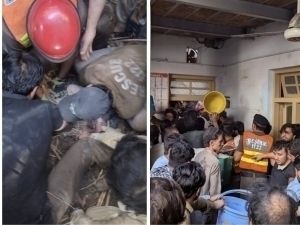
Яқин Шарқда кескинлик авжига чиққан маҳал Россиянинг Украинага босқини янада кучайди. Бутун дунё эътибори Эрон ва Исроил ўртасидаги урушга қаратилган бир пайтда дастлаб, 17 июнга ўтар кечаси Киевнинг турли ҳудудларидаги ўнлаб бинолар ва бошқа объектларга, жумладан, тураржой бинолари, таълим муассасалари ва муҳим инфратузилма объектларига ҳужум қилинди. Соломенский туманидаги тўққиз қаватли тураржой биносига урилган ракета оқибатида вайроналар остидан 21 кишининг жасади чиқарилди. Киевга берилган зарбалар қурбонларининг умумий сони 30 кишига яқинлашди, 134 нафар инсон яраланди. 20 июнь куни эса Санкт-Петербург халқаро иқтисодий форумида Путин Суми вилоятида “хавфсизлик зонаси” ташкил этиш баҳонасида у ерни эгаллаши мумкинлигини айтиб ўтди. Путин бу даъвоси Украина Қуролли кучлари 2024 йил Курскка бостириб киргани учун Россия армияси “чегара бўйлаб хавфсизлик зонасини яратишга мажбур” деган важ ортидан 1 йилдан буён айтиб келинади. Аммо Яқин Шарқда уруш авжига чиққан пайтда Россия Президенти “рус аскарининг оёғи етган ер Россияники”, рус ва украин халқларини бир халқ деб билиши ва шу боис бутун Украинани Россияники деб ҳисоблашини очиқ-ойдин гапирди. Одатда бундай қўпол риторика марҳум Жириновскийда кузатиларди, аммо Эрон ва Исроил бир-бирига ракета учириб дунё эътиборини ўзига тортган маҳал Россия Президенти дилидаги гапларни тилига чиқарди.
Шу тарзда Россиянинг Украинага тажовузи янада кескинлашди. 21 июнга ўтар кечаси ҳужумлар давом этди. Одессада портлаш овозлари эшитилгани ҳақида хабар берилди. Эрта тонгда Полтава вилоятининг Кременчук шаҳри Россия ракеталари ва дронлари томонидан ҳужумга учради. 24 июнга ўтар кечаси эса Сумидаги Верхнесироватская ҳудудида Россия дронлари ёрдамида уюштирилган йирик ҳужум оқибатида камида уч киши ҳалок бўлди. Шу пайтда Харьков вилоятида ҳам Россия агрессияси кузатилди. Вилоят ҳарбий бошқармаси раҳбари Олег Синегубов ҳам 24 июнга ўтар кечаси Россия дронларининг ҳужуми ҳақида гапирди. Харьковнинг Немишлянский туманида Россия учувчисиз самолётининг ерга урилгани оқибатида уй деразаларининг ойналари шикастланган. Синегубовнинг сўзларига кўра, Немишлянский туманидаги фуқаролик корхонаси ҳудудига жами учта “қулаш” қайд этилган. Ўз навбатида, Харьков мери Игор Терехов ҳам 24 июнга ўтар кечаси Россия шаҳарга еттита Shahed дронлари билан ҳужум қилгани ҳақида хабар берди.
Айнан 24 июнь куни Россиянинг Украинага босқини янада қонли тус олди. Шу куни тушдан кейин Россия Украинага навбатдаги ракета зарбасини берди.
Ракета ҳужуми оқибатида ҳалок бўлганлар сони 18 киши, жароҳатланганлар эса 300 га яқинлашгани маълум бўлди. Энг ачинарлиси, жабрланганларнинг ўндан ортиғи болалардир. Украина Давлат фавқулодда вазиятлар хизматининг Днепр ва минтақадаги маълумотларига кўра, фуқаролик инфратузилмаси – ётоқхона, спорт зали ва маъмурий бинога жиддий зарар етган. Ундан ташқари, 46 та кўп қаватли уй ва 41 та хусусий уйга зарар етган.
Булар Эрон ва Исроил ўртасида кечган 12 кунлик уруш давомида Россиянинг дунё эътиборидан четда қолган Украинага берган ҳалокатли зарбалари эди. Тўғри, Россия Украинага 3.5 йилдан буён босқин қилиб келмоқда, аммо ракета ёмғирлари, бир ҳужумдаёқ юзлаб инсонларни майиб-мажруҳ қилиш, ўнлаб оддий аҳолини ҳалок қилиш ҳолатлари муттасил содир этилмайди. Бундай ҳолатларнинг содир этилиши ортда қолган бир ҳафта ичида Россия томонидан кўпайиши ва рус қўшинларининг олдинги силжишдаги ҳаракатларида, албатта, Яқин Шарқдаги урушнинг аҳамияти бўлакча.
Покистон АҚШни нишонда ушламоқчи
“Foreign Affairs” Покистон ҳарбийлари Америка Қўшма Штатларига етиб бориши мумкин бўлган ядровий каллакка эга қитъалараро баллистик ракетани яратиш устида ишлаётганини даъво қилди. Ҳиндистоннинг “Синдур” операциясидан сўнг Покистон Хитой кўмагида ядро арсеналини мустаҳкамлашга ҳаракат қилгани аввалроқ хабар қилинган эди. Агар Покистон шундай ракетани муваффақиятли ишлаб чиқса, Вашингтон бу мамлакатни ядровий душман деб ҳисоблайди. Ҳозирда Вашингтоннинг бундай душманлари Россия, Хитой ва Шимолий Корея каби давлатлардир. Манбаларга кўра, Покистоннинг бундай ракета яратиш қарори Ҳиндистоннинг ўсиб бораётган ҳарбий қудрати ва илғор ракетага қарши мудофаа тизимларига сармоя киритишига жавобдир. Покистон узоқ вақтдан бери Ҳиндистоннинг ҳарбий устунлигига тўсқинлик қилувчи ядро арсеналига таяниб келган, бироқ бу янги ривожланиш минтақада қуролланиш пойгасининг кескин авж олганидан дарак беради. Покистоннинг ядровий амбициялари узоқ вақтдан бери Вашингтонни ташвишга солиб келган, айниқса, бу мамлакат ўзининг ядро ва ракета арсеналига эга бўлган Хитой билан яқин алоқада бўлганлиги учун. Вашингтон қитъалараро баллистик ракета нафақат минтақа, балки глобал хавфсизликни беқарорлаштириши мумкинлигидан хавотирланиб, Покистоннинг ядро арсеналини кенгайтираётганидан ташвишланади.
Покистоннинг ядро қуроли дастурига келсак, 1970 йилларнинг бошларида, асосан, минтақадаги кескинлик туфайли, айниқса, Ҳиндистон 1974 йилда ўзининг биринчи ядровий синовини ўтказганидан сўнг бошланган. Мамлакат 1998 йилда олтита ядровий синовдан сўнг расман ядровий қуролга эга давлатга айланди. Покистоннинг ядро стратегиясида Хитой-Покистон алоқалари катта роль ўйнайди. Гарчи Хитой Покистоннинг қитъалараро баллистик ракеталарни ишлаб чиқишни очиқ қўллаб-қувватламаса-да, унинг Покистондаги давом этаётган ҳарбий ёрдами ва иқтисодий сармоялари Исломобод мудофаасини мустаҳкамлайди. Мутахассисларнинг таъкидлашича, Хитой Покистоннинг ракета дастурини жимгина маъқуллаган бўлиши мумкин, чунки бу Ҳиндистон ва Қўшма Штатларнинг хавфсизлигини янада мураккаблаштиради.
Фаластин тарафдори Нью-Йорк мэри бўлиши мумкин
Ғарбнинг энг муҳим ва таянч молиявий марказларини мусулмон шахслар мер сифатида бошқариши оддий воқеликка айланиб бормоқда. Лондонда Содиқ Омонхон, энди эса Нью-Йорк сайловларида катта устунликка эга бўлиб бораётган Зоҳран Мамдани шундай лавозимга сайланиши мумкин. У Нью-Йоркнинг собиқ губернатори, Эндрю Куомони Демократик партиянинг ички сайловларида мағлуб қилган. Исроилга қарши мусулмон социалист Зоҳран Мамдани айни пайтда Нью-Йорк мери сайловида олдинда бормоқда. Сайлов бюллетенларининг 90 фоизи ҳисобланганидан кейин Мамдани деярли 44 фоиз овозга эга бўлди. Унинг асосий рақиби Эндрю Куомо эса 36 фоиз овозга эгалик қилган.
33 ёшли демократ социалист Мамдани Нью-Йоркда арзон яшаш мавзусида кампания олиб борган. Унинг таклифлари орасида ижара ҳақини музлатиш, бепул жамоат транспорти ва шаҳар озиқ-овқат дўконлари мавжуд бўлиб, Мамдани наздида уларнинг барчаси корпорациялар ва бойларга қўйиладиган 10 миллиард долларлик янги солиқлар ҳисобидан молиялаштирилади. Демократик партия элитаси ва йирик донорларнинг қўллаб-қувватлашига қарамай, Куомо ўз етакчилигини сақлаб қола олмади. Буни эса кўпчилик Мамданининг популистик ёндашуви ва жойларда олиб борган қизғин кампания орқали ёш сайловчиларни ўзига жалб қилгани билан изоҳлаган.
Мағлубиятга қарамай, Куомо мустақил номзод сифатида қатнашиш имкониятини истисно этмади. Ҳозирги Нью-Йорк мери ўзбеклар билан отамлашишда айбланиб келинган Эрик Адамс ҳам мустақил номзод сифатида иштирок этишга қарор қилган. “Guardian Angels” ташкилоти асосчиси Кертис Слива эса Республикачилар партиясидан номзодликка даъвогарлик қилмоқда. Якуний сайлов 2025 йил 4 ноябрда бўлиб ўтади.
Сайловда яққол фаворитга айланган Зоҳран Мамданига алоҳида тўхталадиган бўлсак, Америка Демократик Социалистлари аъзоси. Унинг ота-онаси иккаласи ҳам ҳинд мусулмонлари бўлиб, Мамдани Уганданинг Кампала шаҳрида туғилган ва 2018 йилда Америка фуқаролигини олган. У 12 имом орденидан бўлган шиа мусулмонидир. Мамдани Мен штатидаги Бовдоин коллежида ўқиган ва у ерда мактабнинг Фаластинда адолат учун талабалар бўлимига асос солган. 2014 йилда коллежни Африка тадқиқотлари бўйича бакалавр даражаси билан тамомлаган. Нью-Йоркнинг илк мусулмон мерига айланиш имкониятига эга Мамдани аввалроқ сайловда ғолиб бўлса, Нетаньяхуни ҳибсга олиш учун ҳаракат қилишини айтганди. Албатта, Ғазо қассоби Нью-Йоркка ташриф буюргандек бўлса, Мамданига бундай имконият мавжуд бўлади.
НАТО саммити
25 июнь куни Гаагада НАТО саммити бўлиб ўтди. Бу галги НАТОга аъзо давлат етакчилари йиғинида АҚШ Президенти Дональд Трамп томонидан ҳокимиятга келганидан буён тез-тез кўтариб келинаётган масала – мудофаа учун харажатларни 2 фоиздан 5 фоизга ошириш ҳақидаги қарор муҳокама марказида бўлгани айтилмоқда. “Reuters”га кўра, Европа давлатлари ҳарбий харажатлар учун ажратиладиган маблағ миқдорини Трамп айтган чегарагача кўтаришга ваъда берган. Аммо бу талабга рози бўлиш фаровонлик ва мудофаа ўртасида танлов қилиш лозимлиги туфайли кўплаб альянс аъзолари учун оғриқли бўлиши олдиндан кутилганди. Шу боис Испания Бош вазири Педро Санчес ушбу мақсадга имзо чекмаган ягона раҳбар бўлгани айтилмоқда. Ўз ўрнида, Словакия ҳам 5 фоизлик талабни танқид қилиб, яшаш даражасини ошириш ва қарзни камайтириш ҳам муҳим деб таъкидлади.
Аммо АҚШ Президенти ҳар қандай йўл билан ўзининг мазкур ташаббусини НАТОнинг яқин 10 йилликдаги тартибига жорий қилиш илинжида. У ҳатто Гаагада бўлиб ўтган матбуот анжуманида “Россия амбициялари Украина билан чекланмаслиги ва ташқарига ҳам тарқалиши мумкинлигини истисно қилмади. Бу билан эса Трамп кўп эҳтимол НАТО аъзоларини тезроқ ҳарбий харажатларни оширишга ундамоқчи. Шунингдек, саммит доирасида Европа еткачиси Франция президенти Эммануел Макрон ҳам Россия билан эҳтимолий тўқнашув эҳтимолини рад қилмади. У Россия билан алоқа қилишдан олдин “яхшилаб обдан ўйлаш” керак деган фикрни илгари сурди.
Саммит доирасида етакcгилар ўртасида ўзаро учрашувлар ҳам бўлиб ўтди. 25 июн куни Дональд Трамп ва Владимир Зеленский учрашди. ОАВга кўра, Трамп ва Зеленскийнинг ўзаро суҳбати 50 дақиқа давом этган. Зеленский эса учрашув тафсилотларини ўз Telegram каналида эълон қилди.
“Президент Трамп билан узоқ ва мазмунли учрашув бўлиб ўтди. Биз ҳақиқатан ҳам муҳим бўлган барча масалаларни муҳокама қилдик. Жаноб Президентга ва Америка Қўшма Штатларига миннатдорчилик билдираман. Оташкесим ва ҳақиқий тинчликка қандай эришиш мумкинлиги ҳақида гаплашдик. Одамларимизни қандай ҳимоя қилиш ҳақида фикр алмашдик. Тинчликка эришиш йўлида кўрсатилаётган эътибор ва ёрдамга миннатдормиз. Тафсилотлар – кейинроқ”, дея ёзган Украина раҳбари.
Бундан ташқари, Зеленский НАТОдаги саммитдан қуруқ қайтмади. Буюк Британия Бош вазири Кир Стармер Украинага 70 миллион фунт стерлинг қийматидаги ҳаво ҳужумидан мудофаа ракеталарини топширишни эълон қилди. Бу эса музлатилган Россия активларидан олинган даромаддан тўланади. Британия Бош вазири ҳукумат тепасига келганидан буён Россия томонидан қилинган вайронагарчилик ва йўқотишлар бадалини Россиянинг ўзига тўлатиш тарафдори экани кўпчиликка маълум.
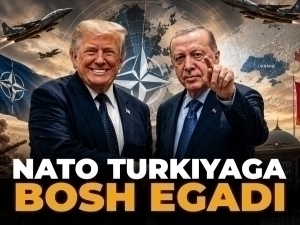
Шунингдек, 25 июнь куни НАТО саммитида яна бир муҳим учрашув бўлиб ўтди. НАТОдаги давлатлар ичида ҳарбий салоҳият борасида энг кучли икки мамлакат раҳбарлари Трамп ва Эрдўған ўртасидаги музокаралар ёпиқ эшиклар ортида ўтди.
Туркия Президенти матбуот хизматига кўра, Эрдўған икки давлатнинг турли соҳаларда, айниқса энергия ва сармоя соҳасида катта салоҳиятга эга эканини таъкидлади. Унинг сўзларига кўра, ҳамкорликни ривожлантириш, айниқса, мудофаа саноати соҳасида умумий савдо ҳажмини 100 миллиард долларга етказиш мақсадига эришишга хизмат қилади. Шунингдек, Туркия давлат раҳбари АҚШ Президенти Трампнинг саъй-ҳаракатлари туфайли Исроил ва Эрон ўртасида эришилган ўт очишни тўхтатиш келишувини олқишлади. Эрдўған унинг доимий бўлишини тилаб, Ғазодаги инсоний фожиага тезда барҳам бериш ва Россия билан Украина ўртасидаги урушни тинч йўл билан ҳал қилиш учун яқин мулоқот муҳимлигини таъкидлаган. НАТО бўйича етакчи иттифоқчилар сифатида икки давлат раҳбарлари Альянснинг тўхтатувчи кучини мустаҳкамлаш бўйича кейинги қадамлар муҳимлигини таъкидлаган.
Live
All