Уруш оловини ёққан Донецк ва Луганск аслида кимга тегишли?
Interesting
−
25 February 2022 71882 8 minutes
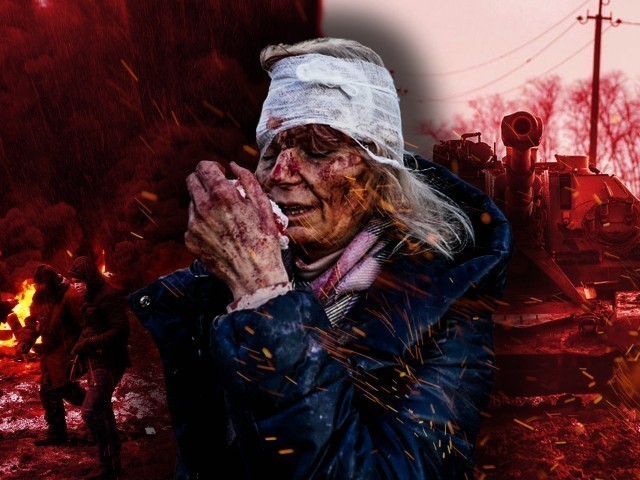
24 февралга ўтар кечаси. Тунда Россия ҳарбийлари ҳеч қандай огоҳлантиришсиз Украина чегарасини кесиб ўтиб, ҳужум бошлади. Рус оғир артиллерияси Украина томонга минглаб снарядларни ёғдирди. Украинлар ярим тунда кучли портлаш овозидан уйғонди.
Ёнаётган уйлар, қонга беланган болалар, вайрон бўлган бино, тутун ичида қолиб кетган кексалар ва жон талвасасида чинқираётган аёллар. Воқеанинг ҳақиқий даҳшатини тасвирлаш учун бу сўзлар камдек.
Донецк ва Луганск муаммоси ортидан бир вақтлар битта халқ бўлган Шарқий славянлар бугун бир-бирининг қонини тўкмоқда. Ҳаммаси жорий йилнинг 21 февраль куни Владимир Путин ДХР ва ЛХР суверенитетини тан олганидан кейин бошланди, десак хато қиламиз. Зотан бу яранинг илдизи анча йиллик тарихга бориб тақалади.
Хўш, Донецк ва Луганск аслида кимга тегишли? Бу ерларга ким асос солган? Бугун шу ҳақида сўз юритамиз.
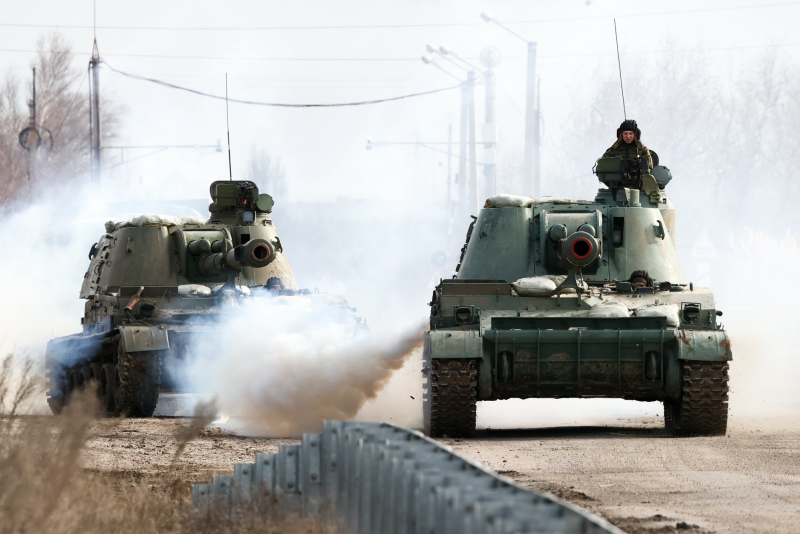
Донецк ва Луганск тарихи
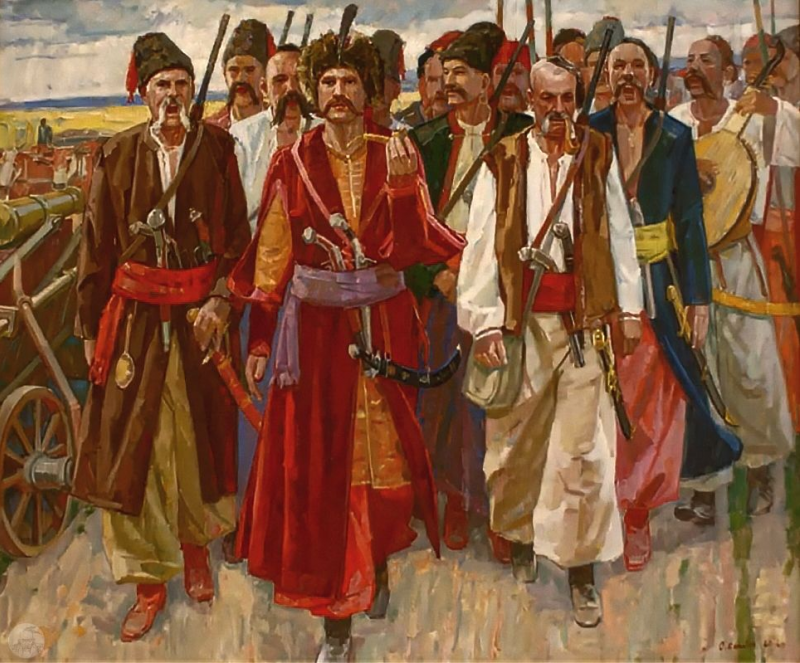
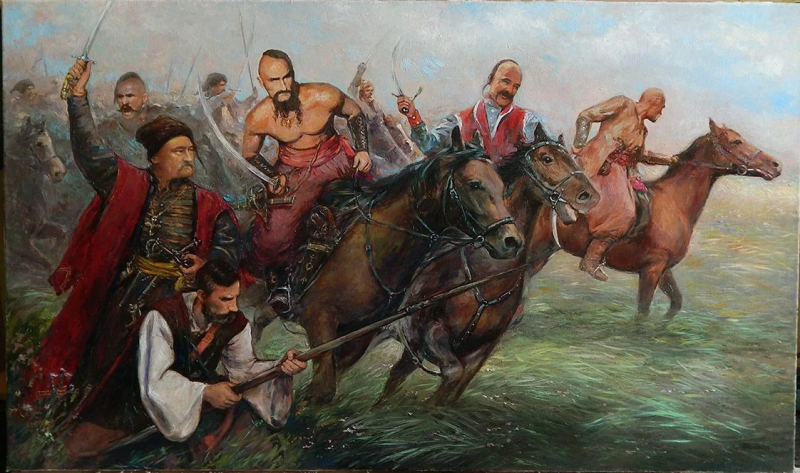
XVI асрда Украина Шарқида доимо озод яшашга интилувчан ва эркинликни севувчи козак халқи яшаб келган. Улар рус маданиятини сақлаб қолишга ва Россия империяси билан яхши алоқа ўрнатишга ҳаракат қилган. Ҳозирги Донецк ва Луганск вилоят ҳудудлари русийзабон Запорожье казакларининг таъсири остида эди. Казаклар бу ерда “Запорожье Сич” деб номланган қўшинни тузган.
1654 йилда “Запорожье Сич” қўшинлари Богдан Хмельницкий бошчилигида рус подшоҳи Алексей Михайловичга мурожаат қилиб, Россия империясининг таркибига киришни сўрайди. Чунки, ўша вақтда Польша қироллиги Шарққа қараб кенгайиб бораётган эди. Рус подшоҳи Запорижье козакларининг мурожаатини қабул қилди. Шундан сўнг, Украинанинг шарқида яшовчи козаклар Россия таркибига қўшилган. Ғарбий қисмлар эса Польша қироллигининг тасарруфида қолган.
Россия империяси даврида Донецк ва Луганск
XVIII асрнинг охирига келиб Польша қироллиги анча заифлашиб қолди. 1795 йилда Польша ерлари уч давлат Пруссия, Россия ва Австрия ўртасида бўлиб олинди. Россия Днепр дарёсининг ўнг қирғоғидаги ерларни ўз тасарруфига олди. Украинанинг ғарбий қисми эса Австрия-Венгрия томонидан бўйсундирилди. Шу вақтдан бошлаб Украина ғарби Европа маданияти таъсири доирасида, шарқи эса рус маданияти остида ривожланди.
XVIII асрнинг охирига келиб, замонавий Украинанинг аксарият ҳудудлари Россия империясининг таркибига қўшиб олинди. 1795-1796 йилларда Екатерина II (1762-1796) фармони билан Луганскда темир қуйиш заводи ишга тушди. Заводга Луган деб ном берилди. Тез орада завод атрофидаги шаҳарда аҳоли кўпайиб борди. 1882 йилда шаҳар номи Луганск деб ўзгартирилди.
Донецкка келсак, бу ерларга Запорожье ва Донда яшовчи козаклар асос солган. 1869 йилда Донецкда металлургия заводи барпо этилди. Кейинчалик завод атрофи шаҳар мақомини олди. Ушбу шаҳар дастлаб Юзовка деб номланди. Чор Россияси даврида Юзовка (Донецк) ва Луганск шаҳарлари Екатеринослав вилояти таркибига кирган.
СССР даврида Донецк ва Луганск
1917 йил февраль инқилобидан сўнг, Россияда подшоҳ ҳукумати ағдарилди. Александр Керенский бошчилигида Муваққат ҳукумат тузилди. Бироқ октябрь инқилобидан сўнг, Муваққат ҳукумат ағдарилди. Натижада Большевиклар ҳокимиятни эгаллаб олди. Россиядаги талатўплар вақтида Украинада учта мустақил Республика – Украина Халқ республикаси, Донецк-Криворож Совет Республикаси, Одесса Совет республикаси ташкил топди.
1918 йилнинг бошида Украина ҳудуди Совет армияси томонидан ишғол қилинди. Натижада Донецк-Криворож ва Одесса Совет республикалари тугатилди. 30 январь куни советларининг IV қурултойида, Донецк ва Кривой Рог Совет республикаси таркибидаги автоном Республика деб эълон қилинди. Бироқ, бир ойдан кейин ушбу икки автоном Республика Украина Совет республикасининг таркибига қўшиб юборилди.

1922 йил 30 декабрь куни Украина ССР, Беларусь ССР ва Россия ССР биргаликда Совет Социалистик республикалар Иттифоқи (СССР) тузишди. 1929 йилда Донецк вилоятининг номи Совет Иттифоқининг раҳбари Иосиф Сталин шарафига Сталино деб ўзгарилди.
1941 йил 21 июнь куни Германия Совет Иттифоқига қарши уруш эълон қилди. 1943-1944 йилларда Совет армияси Украина ҳудудидан немисларни сиқиб чиқарди. Германия ортга чекингач, Украинада Совет ҳокимияти қайта ўрнатилди.
1953 йилда Никита Сергеевич Хрущёв Совет Иттифоқининг раҳбарига айланди. У ўз она юртида руслаштириш сиёсатини олиб борди.

1991-2014 йилларда Донецк ва Луганск муаммоси
1991 йил 24 август куни аҳоли сони ва саноат жиҳатидан Совет Иттифоқида иккинчи ўринда турган Украина ўз мустақиллигини эълон қилди. Фақат унинг мустақиллиги СССР парчаланганидан сўнг тан олинди.
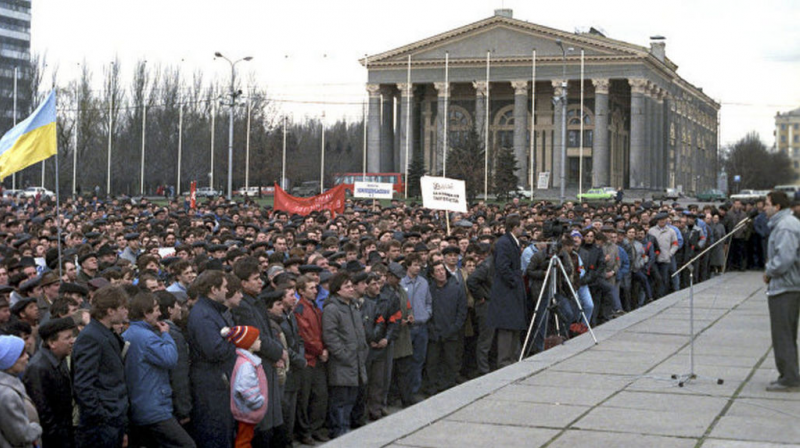
1992 йилда депутат Виктор Николаевич Тихонов Луганск вилояти халқ ҳаракатининг иккинчи қурултойида Донецк-Криворож Республикасини қайта тиклаш зарурлигини эълон қилди. Бироқ унинг бу таклифи Украина Олий Радаси томонидан рад этилди.
1994 йилда Донецк ва Луганск вилоятларида референдум бўлиб ўтди. Унда тахминан 90 фоиз аҳоли рус тилини украин тили билан бир қаторда расмий тил сифатида тан олиш, шунингдек, рус тилини минтақавий даражада ягона расмий тил сифатида белгилашга овоз берди. Бироқ референдум Киев ҳукумати томонидан бекор қилинди. Табиийки, бу Донецк ва Луганск халқига ёқмади. Улар Россияга талпинишди.
Зарғалдоқ инқилоби
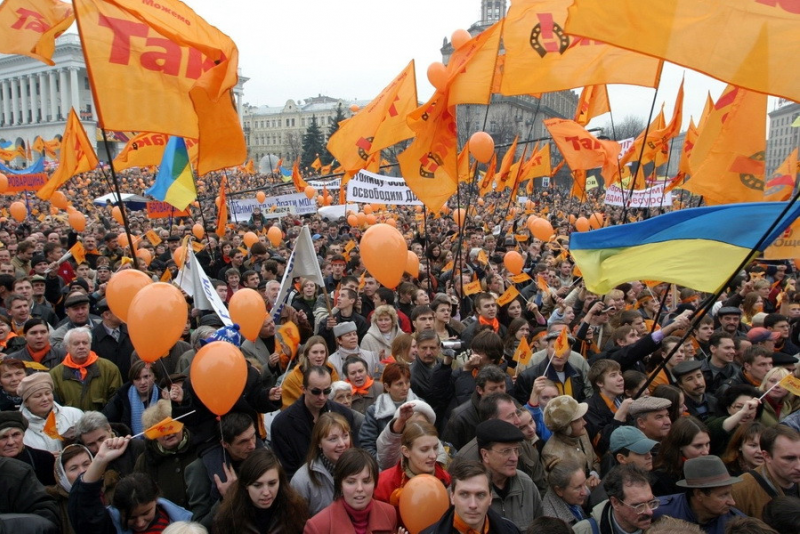
2004 йилда Украинада президентлик сайлови бўлиб ўтди. Президентликка асосан икки номзод даъвогарлик қилди. Биринчи номзод Россияга яқинлашиш тарафдори бўлган Виктор Янукович, иккинчи эса асосан Европа Иттифоқи билан интеграцияни кучайтириш тарафдори Виктор Юшенко эди. Сайловда Янукович ғалаба қозонди. Бироқ, мухолифат етакчиси Виктор Юшенко сайлов натижаларини тан олмади. Оқибатда унинг тарафдорлари мамлакатда норозилик намойишларини бошлаб юборди.
Намойишлар ортидан Украина Олий суди сайлов натижаларини текширишни бошлади. Текширув натижасига кўра, овоз ҳисоблашда қонун бузилиши ҳолати аниқланди. Шундан сўнг, иккинчи тур натижалари бекор қилинди ва учинчи тур ўтказилди. Бу сафар Юшенко ғалаба қозонади ва мамлакат Президентига айланди. Шундай қилиб, Украинада Ғарб позицияси мустаҳкамланди. Айни шу воқеалардан сўнг, Украина Россия ўртасидаги муносабатлар ипи таранглашди.
2014 йилги инқироз
2010 йилда ўтган Украина Президенти сайловида Виктор Янукович ғалаба қозонди. Табиийки, Россия билан муносабатлар қайта тикланди. Қора денгиз флоти бўйича Харьков шартномаси имзоланиб, унга кўра, ижара муддатини яна йигирма беш йилга узайтириш тўғрисида келишувга эришилди.
Янукович бир томондан Россия, бошқа томондан эса Европа Иттифоқи билан ҳамкорликни давом эттиришга интилаверди. Бироқ “катта оға” Януковичга босим ўтказиб, Украинани Европа Иттифоқига киришига қаршилик қилди. Кремлнинг чизган чизиғидан чиқа олмаган Янукович, Европа Иттифоқига кириш жараёнини тўхтатди. Бу эса мамлакатда оммавий норозилик намойишларининг бошланиб кетишига сабаб бўлди.
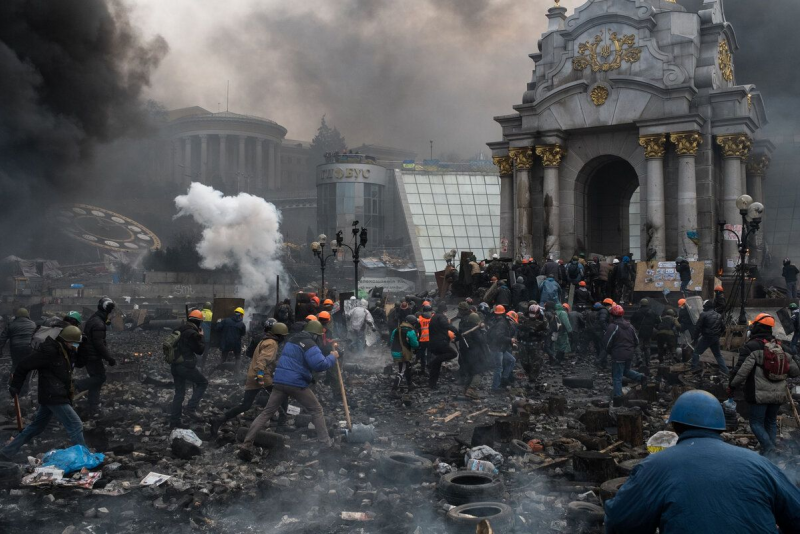
Украинада бошланган тартибсизликлар ортидан, Россиянинг таъсири кучли бўлган мамлакатнинг жануби-шарқий ҳудудларида қуролли ҳаракатлар бошланиб кетди. Россия Донецк ва Луганскдаги рус айирмачиларидан фойдаланди. Улар Украинадаги янги ҳукуматни тан олмади. 2014 йил 7 апрель куни Донецк, 27 апрель куни Луганск мустақиллигини эълон қилди. 11 май куни тан олинмаган ҳар икки янги республикада референдум ўтказилди. Унда аҳолининг кўпчилик қисми Россияга қўшилишга овоз берди. Табиийки, бу қарор Украинага ёқмади ва Донецк ҳамда Луганскка ўз ҳарбийларини юборди. Оқибатда уруш бошланиб кетди. Россия сепаратистларга қурол-яроғ ва ҳарбий кучи билан ёрдам берди.
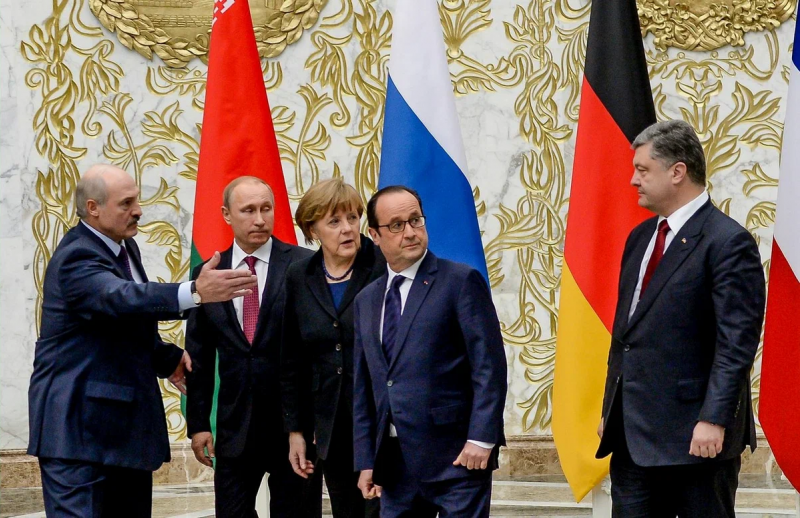
Донецк ва Луганск халқ республикалари халқаро миқёсда тан олинмади. 2014 йил 5 сентябрь куни Минск шаҳрида Донецк ва Луганск вилоятлари ҳудудида ўт очишни тўхтатишни бўйича уч томонлама шартнома имзоланди. Келишувни Россия томонидан Россия Федерациясининг Украинадаги Фавқулодда ва мухтор элчиси Михаил Зурабов, Украина томонидан мамлакат раҳбариятидан мандатга эга бўлган собиқ Президент Леонид Кучма имзолади. Шунингдек, Европада Хавфсизлик ва Ҳамкорлик Ташкилоти вакили Хайди Тальявини, Луганск халқ республикаси ва Донецк халқ республикаси томонидан Игорь Плотницкий ҳамда Александр Захарченко ҳужжатга имзо чекди. Ўша куни маҳаллий вақт билан соат 18:00 дан сулҳ кучга кирди. Бироқ шунга қарамай, икки ўртада тўқнашувлар бўлиб турди.
Россиянинг Украинага бостириб кириши
2022 йилнинг бошига келиб Россия ва Украина ўртасидаги зиддиятлар ипи анчайин таранглашиб кетди. Бир қанча Европа мамлакатларининг раҳбарлари икки давлат муносабатларини юмшатиш учун ўртага тушиб кўрди. Аммо бу ҳаракатлар бесамар кетди.
21 февраль куни Россия Президенти Владимир Путин Кремлда Украина шарқидаги ўзини мустақил деб эълон қилган ЛХР ва ДХР тан олиш тўғрисидаги фармонни имзолади. Бу эса тўғридан-тўғри урушга ишора эди.
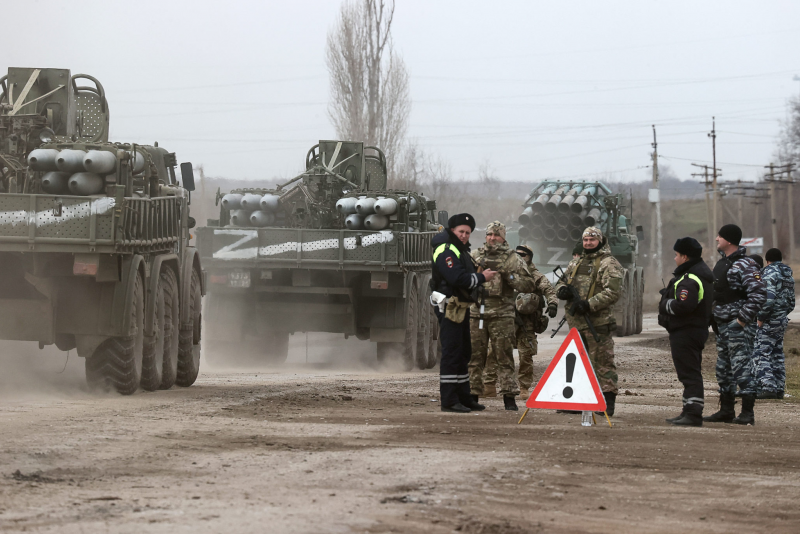
23 февраль куни ДХР ва ЛХР раҳбарлари Украина “тажовузи”ни қайтариш учун Россия Президенти Владимир Путиндан ёрдам сўради. Шундан сўнг, Путин халққа мурожаат қилиб, Украинани қуролсизлантириш учун махсус операция ўтказишини маълум қилди. Шу куни Россия ҳарбийлари Украинанинг Киев, Харьков ва Днепрдаги ҳарбий инфратузилма объектларига ракета ҳужумлари уюштирди. Шунингдек, Россия Мариуполь ва Одессага десант туширди. Президент Зеленский мамлакатда ҳарбий ҳолат эълон қилди.
Маълумотларга кўра, Россиянинг қуролли ҳужуми биринчи кунида 137 нафар Украина фуқароси ҳалок бўлган, 316 нафари яраланган. Қурбонлар ва ярадорлар орасида қанча ҳарбий ва оддий фуқаролар борлигига аниқлик киритилмаган.
Украина Мудофаа вазирлиги маълумотларига кўра, Россия Қуролли Кучларининг жанговар йўқотишлар статистикаси: 7 та самолёт, 6 вертолёт, 30 дан ортиқ танк ва 120 зирҳли техника, 800 тагача шахсий таркиб.
Ижтимоий тармоқларда Киев осмонида Россиянинг ҳарбий самолёт ва вертолётлари учиб юргани акс этган видеолар тарқалди. Сўнгги янгликларга кўра, Россия қўшинлари Киев томон ҳаракатланмоқда.

Live
All