Триададан тактик ракеталаргача: кимларнинг қўлида ядро қуроллари бор?
Interesting
−
19 September 2025 13150 4 minutes
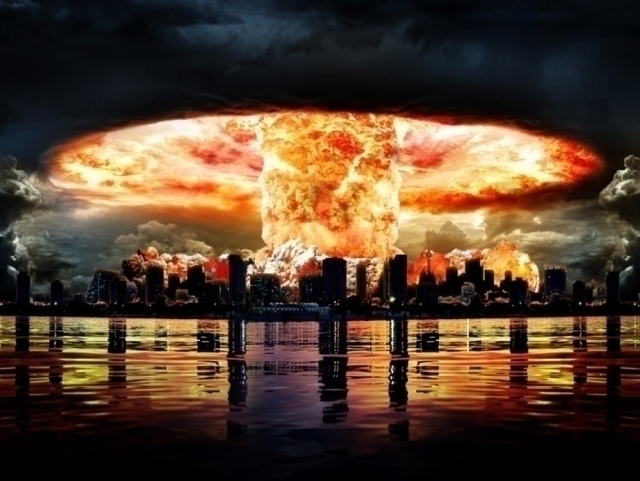
Ер юзида ядро қуролидан илк бор фойдаланилганига 80 йил бўлди. Шундан буён ушбу қурол бутун дунёни қўрувда ушлаб турибди. Американинг “Military Watch Magazine” (МWМ) ҳарбий журнали яширин арсеналлар ва мамлакатларнинг ядровий салоҳият даражасига кўра таснифлади.
Ядро зарбаси бериш имкониятига эга бўлган давлатлар сони тобора ортиб бормоқда. Ядро қуролини тарқатмаслик тўғрисидаги шартнома фақат АҚШ, Хитой, Россия, Франция ва Буюк Британияга ядро каллакларига эгалик қилишни рухсат этган бўлса-да, бугунги кунда жами 15 давлат ҳеч бўлмаганда чекланган даражада ядро зарбаси бериш имкониятига эга. Уларга тўртта шартномани имзоламаган давлат ҳамда ядровий алмашинув битимида иштирок этаётган олти мамлакат киради.
Бу давлатлар кенг кўламли можарода улардан фойдаланиш имконияти берилиши ҳисобига ўз ҳудудида сақланаётган Америка ёки Россия ядровий ўқ-дориларидан фойдаланиш учун тайёрланмоқда. Ядро қуролига эга давлатларни арсеналлари ва етказиб бериш воситаларининг ҳажми, имкониятлари ва хилма-хиллигига қараб тўрт тоифага бўлиш мумкин. Қуйида дунёдаги ядровий арсеналлар шарҳи келтирилган.
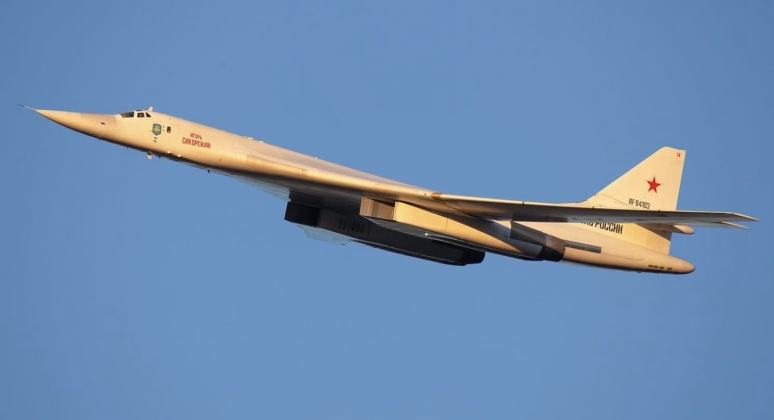
Биринчи даража: АҚШ, Россия ва Хитой
Бу уч давлат тўлиқ ядровий триадага эга мамлакатлардир ва улар қитъалараро зарбалар бериш имкониятига эга. Бу дегани, улар ядровий қуролларни қуруқликдаги ракета тизимларида, стратегик бомбардимончиларда ва сувости кемаларида жойлаштирган. Уларнинг арсенали ҳам тактик, ҳам стратегик воситаларни ўз ичига олади. Хитой арсенали АҚШ ва Россияникидан бешдан бир қисмга кичикроқ бўлса-да, унинг доктринаси дунёдаги энг эҳтиёткор ва мудофаа характеридаги ҳисобланади.
Россия кўпроқ каллаклар жойлаштирган, тактик баллистик ракеталарнинг катта арсеналига ва қитъалараро гипертовушли блокларга эга. АҚШ эса яширин қирувчи ва бомбардимончиларда тактик ядровий қурол жойлаштирган ягона давлат. Шу билан бирга, АҚШнинг қитъалараро баллистик ракеталари эскирган, чунки асосий намуналар 1970 йилларда ишлаб чиқилган. Россия эса Америка бомбардимончиларига жавобан ўз тутиб қолувчи самолётларини дунёдаги ягона ядровий “ҳаво-ҳаво” ракеталари билан қуроллантирган.
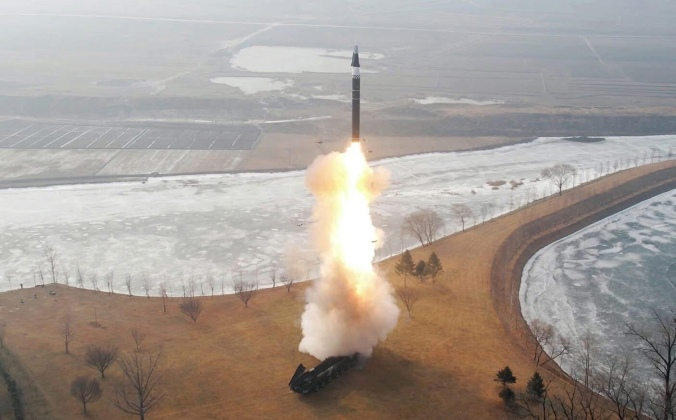
Иккинчи даража: КХДР, Ҳиндистон, Покистон, Исроил
Бу давлатлар шартнома доирасидан ташқарида ядровий қурол ишлаб чиққан. Исроил бунга Франциянинг катта ёрдами билан эришган. Уларнинг барчасида турли етказиб бериш воситалари бор, фақат КХДРдан ташқари ҳаммаси ҳаводан зарба бериш имкониятини тасдиқлаган. Шимолий Корея ва Исроил қитъалараро баллистик ракеталарга эга бўлган беш давлат қаторига киради. КХДР арсенали энг кучлиларидан бири сифатида баҳоланади: унинг ракета кучлари хилма-хиллик бўйича фақат Хитойдан кейин туради. Пхеньян сув ости кемаларидан учириладиган баллистик ва қанотли ракеталар, гипертовушли блокли ўрта масофали ракеталар, ядровий сувости дронлари ва ядровий ракетали эсминецларга эга. Шимолий Корея ушбу тўрт давлат орасида ядровий кучлари, аввало, қитъалараро зарбалар учун мўлжалланган ягона мамлакатдир. Покистон эса артиллерия тизимлари учун ядровий ўқ-дорилар жойлаштирган ягона давлат бўлиб қолмоқда, бу унга тактик даражадаги зарбаларни амалга ошириш имконини беради.
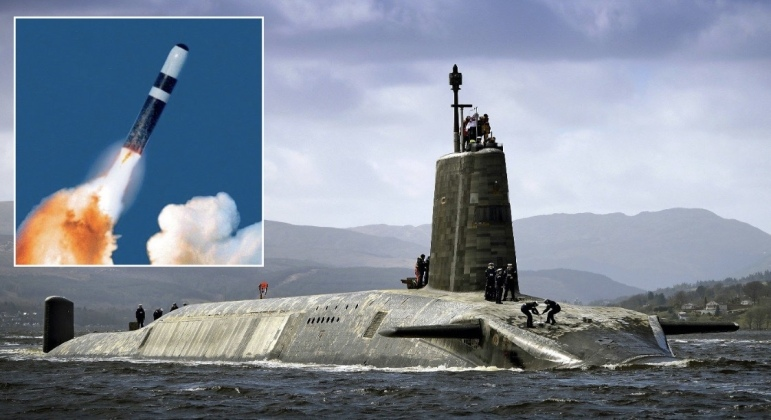
Учинчи даража: Буюк Британия ва Франция
Бу давлатларнинг ядровий имкониятлари чекланган, асосан, баллистик ракетали сув ости кемаларига таянади. Франция Rafale қирувчилари орқали чекланган тактик имкониятларни сақлаб қолган, бироқ уларнинг эскиргани ва яширинмаслиги жиддий камчилик ҳисобланади. Буюк Британия АҚШ билан ядровий алмашинув битими орқали тактик имкониятларни тикламоқчи. Бу орқали унинг F-35А қирувчилари мамлакат ҳудудида жойлаштирилган Американинг B61-12 бомбаларидан фойдаланиши мумкин бўлади. Аммо Лондонда мустақил тактик ядровий куч йўқ. Ҳар иккала давлат стратегик тўсувчи кучларига эга бўлса-да, етказиб бериш воситаларининг хилма-хиллиги жуда чекланган ва тактик имкониятларда катта камчиликларга эга.
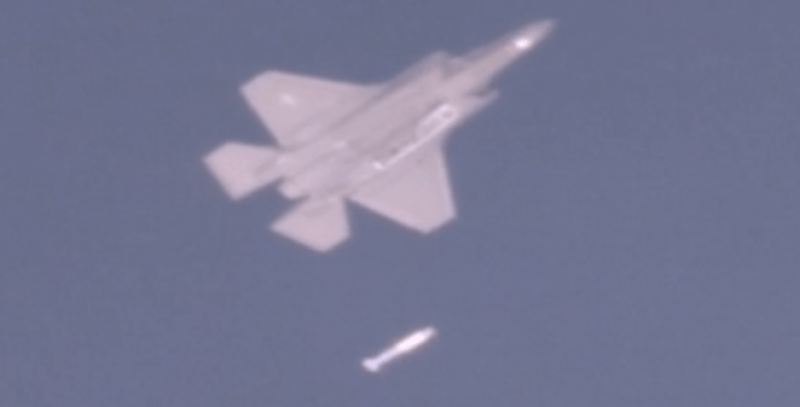
Тўртинчи даража: Германия, Нидерландия, Туркия, Бельгия, Италия ва Беларусь
АҚШ Германия, Нидерландия, Туркия, Бельгия ва Италия билан ядровий алмашинув битимларини имзолаган, тез орада Буюк Британия билан ҳам шундай келишув тузилиши кутилмоқда. Бу битимлар амалда Вашингтонга ядровий қуролни кенгроқ тарқатиш имконини беради. Бундай амалиёт баҳсли бўлиб, айрим таҳлилчилар уни Ядро қуролини тарқатмаслик шартномасининг I ва II моддаларини бузади, дея қайд этишмоқда. Иштирокчи давлатлар фақат ҳаво орқали ташланадиган B61 ядровий бомбаларидан фойдаланади. Улар F-16 ёки F-35А қирувчиларига, Германияда эса эскирган Tornado самолётларига ўрнатилади. Беларус 2023 йилда Россия билан ядровий алмашинув битими тузди ва “Искандер-М” ракета тизимларида каллаклар жойлаштирди. Беларусь арсенали 2025 йил охиригача ўрта масофали “Орешник” гипертовушли ракеталари ва эҳтимол ядровий реактив артиллерия тизимлари ҳисобига кенгайтирилиши кутилмоқда. Бироқ ядровий алмашинув битимида қатнашаётган давлатлар арсеналларидан мустақил фойдаланиш имкониятига эга эмас – бу Вашингтон ёки Москва томонидан блокланиши мумкин.

Live
All23 October