Тошкент ҳавоси нега ифлослангани айтилди
Local
−
23 September 2025 12823 3 minutes
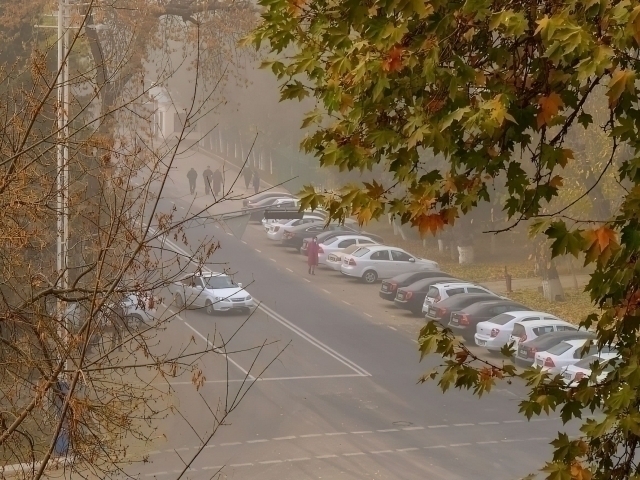
Аввалроқ, Тошкент шаҳри ҳавоси ифлослиги бўйича дунёда биринчи ўринга чиққани ҳақида хабар қилинган эди. Экология, атроф-муҳитни муҳофаза қилиш ва иқлим ўзгариши вазирлиги мазкур ифлосланиш ҳақида маълумот берди.
Қайд этилишича, жорий йилнинг 21 сентябрь куни республикада марказида атмосфера босими 1010 гПа гача пасаювчи паст босимли, кичик градиэнтга эга атмосфера соҳаси шаклланиб, Самарқанд, Жиззах, Сирдарё ва Тошкент вилоятларида кундуз куни ҳаво ҳарорати 34-35 даражагача исишига сабаб бўлган. Ҳатто бу пайтда Тошкент вилоятининг жанубий станцияларида ҳарорат максимумлари 35 даражадан юқорига чиққан.
Ушбу исиш ҳодисаси 21 сентябрь тунда Каспий денгизи орқали марказида атмосфера босими 1028 гПа гача юқори кўтарилувчи совуқ антициклонал жараённинг минтақага давомли ғарбий шамоллари билан кириб келишига сабаб бўлган.
Жорий йилнинг 21 сентябрь куни ва 22 сентябрь тонгида Навоий вилояти шарқи, Айдаркўл кўллар тизими атрофида эсган кучли ва давомли ғарбий шамоллар ўз йўналишини Чордара сув омбори ҳудудларидан бошлаб бироз шимол томонга ўзгартирган. Кеча, 22 сентябрда куннинг иккинчи ярмидан Қизилқум шарқи ва Айдаркўл ҳудудлари ҳамда Қозоғистоннинг жанубий вилоятларида кўтарилган чанг ҳаво массалари тўғри Тошкент шаҳрига кириб келган.
Тошкент шаҳрида соат 15:00 дан бошлаб аввалига жануби-ғарбий ва ғарбий ҳудудда ҳавода PM2.5 ва PM10 майда дисперс заррачалари орта бошлаган. Масалан, Ўзгидрометнинг Учтепа ҳокимияти биноси олдига ўрнатилган Ҳориба автомат станцияси айни ўша муддатда ҳаво таркибида 142 мкг/метр куб оғирликда майда PM2.5 заррачасини қайд этган. Бу миллий рухсат этилган стандарт қийматдан 4 баробар кўп дегани. PM2.5 майда заррачаси бўйича миллий рухсат этилган меъёрий қиймат 35 мкг/метр куб ҳисобланади.
Соат 16:00 да пойтахтда жануби-ғарбий шамоллар сониясига 4 метр тезликда эсиб, жануби-ғарб томондан шаҳар маркази ва шимоли-шарқи томон майда дисперс заррачалари жадал тўпланишига олиб келган. Бу вақтда Тошкент марказий қисмларида ҳам ҳавода PM2.5 ва PM10 майда заррачалари миллий рухсат этилган меъёрлардан ошган. Ҳатто пойтахтнинг шарқий қисми “Янги Ўзбекистон” боғида ўрнатилган автомат станция кузатув объектида майда PM2.5 заррачалари миллий рухсат этилган меъёрдан 2 баробаргача (68 мкг/метр куб) ортиб кетган. Шу тариқа чанг ҳаво пойтахтни эгаллай бошлаган. Тошкент халқаро аэропортида 16:00 дан бошлаб кўриш масофаси 5 километргача чекланган ғубор ҳодисаси кузатила бошланган.
Соат 18:30 да Ўзгидрометнинг Тошкентга ўрнатилган кўплаб автомат станция қийматларида ҳавода майда PM2.5 дисперс заррачалари тахминан 150 мкг/метр куб атрофида шиддат билан кўпайиб бораётгани қайд этилган. Бу каби қиймат Тошкентнинг катта қисмида майда PM2.5 заррачалар билан ифлосланиш миллий рухсат этилган меъёрдан 5 баробаргача кўпайиб кетишига олиб келган. Айни мана шу муддатда Тошкент халқаро аэропортида кўриш масофаси янада ёмонлашиб, 4000 метргача масофани ташкил этган.
Прогноз
Марказида атмосфера босими 1025 гПагача кўтарилувчи совуқ антициклон республиканинг марказий қисмларидан ўтмоқда. Ушбу жараён жорий йилнинг 24 сентябрига қадар республика об-ҳавосини белгиловчи оқим ҳисобланиб, 23-24 сентябрь кунлари айни Тошкент шаҳри ҳавосида тўпланган майда дисперс заррачаларни тўлиқ “тозалаш” қувватига эга эмас. Аксинча, ушбу ҳаво оқими ҳавода йиғилган майда заррачаларни аста-секин ерга босиш ҳолатини келтириб чиқаради. 23-24 сентябрь тонгги муддатлар ва кечки муддатларда инверсия ҳодисаси сабаб ҳавода майда дисперс заррачалари миқдори яна ортиши эҳтимоли бор. 24 сентябрь тунги муддатда антисиклоннинг минтақадан бутунлай чекиниши ва ўрнига бошқа бир паст босимли атмосфера жараёни алмашиниш фонида Тошкент шаҳри ҳавосида майда дисперс заррачалардан тез тозаланиш рўй бериши мумкин.

Live
All