“Толибон” ўзбек тилига қарши навбатдаги кампанияни бошлади. Афғонистонлик ўзбеклар ғазабда
World
−
05 January 16916 3 minutes
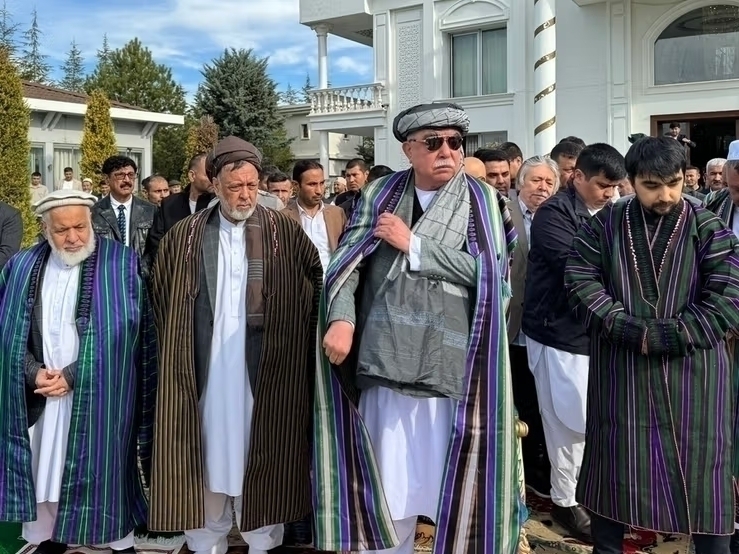
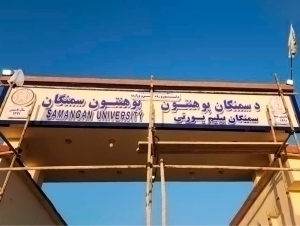
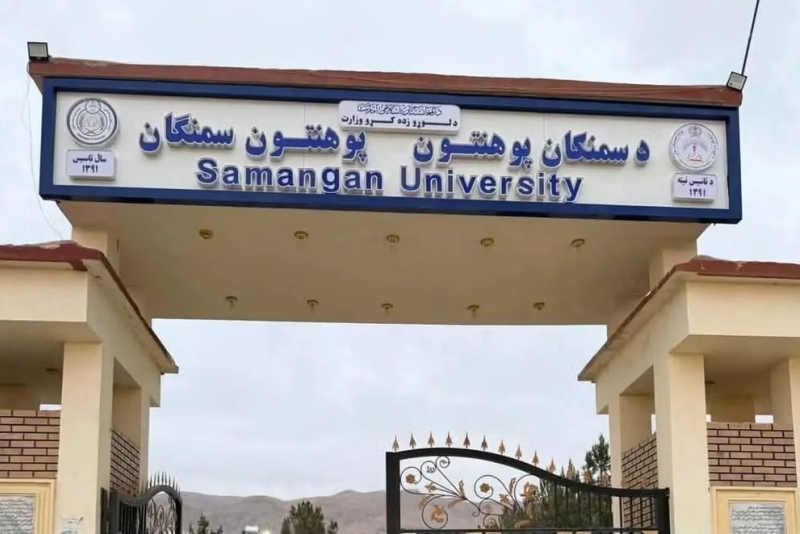
2021 йилда ҳокимият тепасига келган “Толибон” Афғонистондаги миллионлаган ўзбекларини маданий ва тарихий ўзлигини йўқ қилиш, уларни паштунлаштириш сиёсати фонида мамлакатнинг ўзбеклар энг кўп яшовчи шимолида жойлашган Саманган университети пештоқидан ўзбек ва форс тилларидаги ёзув олиб ташланди. Бу ҳақда “Afghanistan International” хабар бермоқда.
Бу ҳолат жорий йилнинг 2 январь куни университетга янги раҳбар тайинланганидан сўнг амалга оширилган. Айтилишича, “Толибон” тахминан тўрт кун аввал эски лавҳани олиб ташлаб, форс ва ўзбек тилларини чиқариб ташлаган ҳолда қайта ўрнатган.
Афғонистон давлат ва сиёсат арбоби, собиқ вице-президент, ўзбек аслли Маршал Абдулрашид Дўстум Саманган университети лавҳасидан ўзбек тилининг олиб ташланишини “Толибон”нинг ўзбек тили ва маданиятига қарши очиқ душманлик ҳаракати деб баҳолади ва ҳеч бир куч бу тилни мамлакатнинг маданий ва ижтимоий тузилишидан олиб ташлай олмаслигини айтди.
Фарёб вилоятининг собиқ ҳокими Нақибулло Фоиқ эса бу ҳолатни “қабилачиликка асосланган” деб баҳолаб, бундай ҳаракатлар мамлакатда этник ва тилга оид адоватни кучайтиришини айтган.
Саманган олий таълим муассасасининг эски пештоқи ҳақида сўз юритар экан, университет ўқитувчиси Муҳибулло Муҳиб муассаса университет мақомини олганидан сўнг, “Толибон”нинг Олий таълим вазирлиги буйруғи билан лавҳа ўзгартирилганини ёзган. Унинг таъкидлашича, вазирликнинг расмий хатига асосан, пештоқда ўзбек тилини киритиш таклифи қабул қилинмаган. Аввалги лавҳа тўрт тилда – пушту, форс, ўзбек ва инглиз тилларида бўлган.
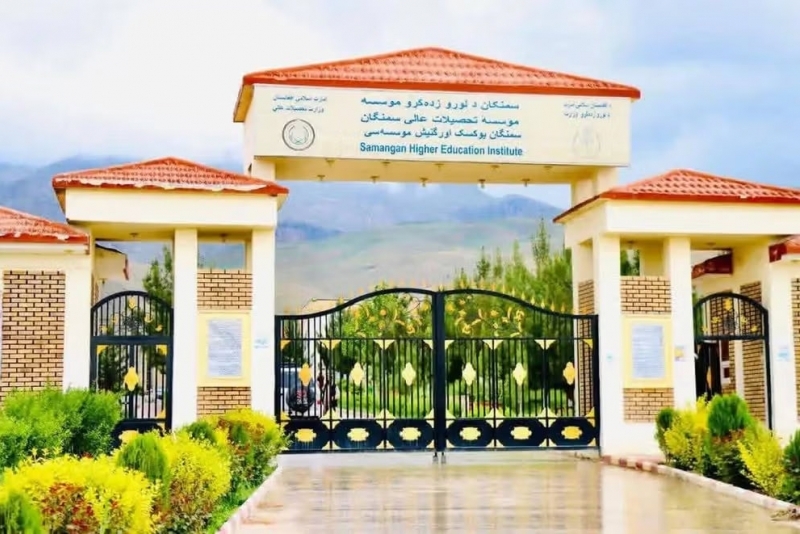
Қайд этиш жоизки, бу “Толибон”нинг миллатчилик руҳида амалга ошираётган биринчи ҳаракати эмас, аввалроқ “Толибон” тожик ва ўзбекларни оммавий равишда хавфсизлик кучлари сафидан четлатган, Мозори Шариф шаҳрида маҳаллий расмийлар томонидан Алишер Навоий ҳайкали йўқ қилинган, Абдулрашид Дўстум билан алоқадорликда гумон қилиниб ўзбеклар қатл этилган, 2025 йилнинг ноябрь ойида Жузжон университети пештоқидан ҳам ўзбек тилидаги ёзув қўпориб ташлаган эди. Бу ҳолат кенг норозиликларга сабаб бўлиб, бир муддат ўтгач, “Толибон” расмийлари ўзбек тилини қайта киритишга мажбур бўлган.
Сўнгги тўрт йилдан ортиқ вақт давомида “Толибон” бир неча бор ўзбек ва туркман тилларини чеклаш ҳамда бу тилларда сўзлашувчиларга босим ўтказишда айбланиб келмоқда. Шу даврда давлат идораларидаги ўзбекча лавҳалар олиб ташланган, шунингдек, туркийзабон шоир ва адибларга оид ёдгорлик ва тасвирлар ҳам вандализмга учраган.
Агар бундай ҳолат рус тили билан содир бўлса, Россия Ташқи ишлар вазирлиги воизи Мария Захарова “дунёга ўт қўйишини” биламиз, аммо Ўзбекистон Ташқи ишлар вазирлиги чуқур сукутга чўмган. Мамлакат тонналаган гуманитар ёрдамлар юбораётган бўлса-да, Афғонистонда ўзбеклар, ўзбек тилига муносабат ўзгармаяпти.
Эслатиб ўтамиз, аввалроқ Афғонистондаги “Толибон” муваққат ҳукумати Мозори Шариф шаҳрида Темурийлар даврида яшаган буюк шоир ва мутафаккир Алишер Навоий ҳайкалини бутунлай бузиб ташлагани ҳақида хабарлар тарқалган эди. Шундан сўнг, Ўзбекистон Ташқи ишлар вазирлиги мазкур масала юзасидан расмий изоҳ олиш мақсадида “Толибон” муваққат ҳукумати вакиллари билан боғланган.
Бунинг ортидан Маршал Абдулрашид Дўстум ва қизи Роҳила Дўстум “Толибон”га таҳдид қилиб, “Толибон” эртами-кечми ўз қилмишлари учун пушаймон бўлишини таъкидлаган.
Афғонистон томони ўша пайтда “Алишер Навоий ҳайкали ўрнатилган жой аллома хотирасига муносиб эмаслиги, шоир ва мутафаккир шарафига янада кўркам мажмуа қурилиши лозимлиги” сабабли ҳайкал маҳаллий ҳокимият томонидан олиб ташлангани, яқин орада янги ёдгорлик барпо этилиши ҳақида ваъда берган эди. Аммо ҳануз бу ваъда амалга оширилмади.
Шунингдек, 2023 йилнинг февраль ойида ҳам Мозори Шарифдаги Алишер Навоийнинг ўша ҳайкали қисман бузиб ташланган эди. Шунда Ўзбекистон Ташқи ишлар вазирлиги матбуот котиби Аҳрор Бурҳонов бу ҳолатни “вандализм” деб атаган ва Афғонистон вакилларига таяниб, ҳайкални бегона шахслар вайрон қилганини билдирган.

Live
All