Ғазо тинчийди, аммо бегоналар қўлига ўтади
Review
−
06 October 2025 7725 14 minutes
Исроилнинг Ғазодаги қирғинлари ниҳоясига етиш арафасида. Барчаси 28 сентябрь куни АҚШ Президенти Дональд Трамп маъмурияти томонидан Ғазо бўйича 21 банддан иборат тинчлик режаси эълон қилинганидан кейин бошланди. Ушбу режада ҲАМАС қўлида бўлган барча гаровдагиларни озод этилиши ва уруш тугагач, Ғазо учун йўл харитаси ишлаб чиқилиши назарда тутилган. ҲАМАС эса ушбу режанинг келажагида йўқ. Чунки мазкур йўл харитасининг энг сўнгги бекатида Фаластин давлати тузилишини амалда бошлаш ва якунига етказиш ваъда қилинмоқда. Албатта, Ғазо ва Ғарбий соҳил бирлаштирилиб, бу ваъда бажарилса, секторни ким бошқариши муҳим эмас. Муҳими 80 йиллик адолатсизликка чек қўйилиши. Бироқ Яқин Шарқни остин-устун қилишда аср бошида энг асосий роллардан бирини ўйнаган Тони Блэр, АҚШдаги энг катта Исроил лоббиси Трампнинг қуйови Жаред Кушнер ва бошқа кўплаб сионистлар қўл остига ўтиши кутилмаётган Ғазонинг келажаги ҳақида бирор нима дейиш қийин.
Шундай экан, томонлар, айниқса, ҲАМАС бунга қанчалик рози бўлиши ҳали ҳам номаълум. Яқин яқингача Фаластин давлати қурилмаслигини айтиб келаётган Нетаньяху режими Трампга ҳали-ҳануз ушбу режа юзасидан “хархаша” қилаётгани, ҲАМАС эса режада баён этилган қўролсизланиш ҳамда бошқарувдан олиб ташлашга рози бўлмаслиги тахмин қилинмоқда. Вақт эса икки томон учун ҳам жуда оз қолди. Дунё давлатлари, ҳатто Ғарб Исроилга босимни кучайтирмоқда, Трамп эса ҲАМАСга “жаҳаннам” билан таҳдид қилишда давом этяпти. Шу боис, Нетаньяху ва Ғазодаги қаршилик ҳаракати Трампнинг режасига қисқа муддатда ижобий жавоб беришга қарор қилди. Лекин бу улар 21 бандлик мазкур режага рози бўлди дегани эмас. Томонларнинг Мисрда бўлиб ўтиши айтилган музокаралари барчасига ойдинлик киритади. Қуйида шулар ҳақида батафсил сўз юритилади.
21 бандлик режа
26 сентябрь куни, яъни Ғазо бўйича режа эълон қилинишидан 2 кун олдин Дональд Трамп секторда ўт очишни тўхтатиш бўйича “интенсив музокаралар” олиб борилаётганини маълум қилганди. У оғзи қулоғида бўлиб, бу жараён ҳақида катта хурсандчилик билан гапирди.
“Мамнунлик билан айтаман. Биз Яқин Шарқ ҳамжамияти билан Ғазо масаласида илҳомлантирувчи ва жуда конструктив муҳокамалар олиб бормоқдамиз. Ҳамма бу ўлим ва зулмат даврини орқада қолдириш истиқболидан ҳайжонда. Биз гаровдагиларни қайтариб олишимиз ва мустаҳкам тинчликка эришишимиз керак”, деб ёзган АҚШ Президенти ўзининг Truth Social ижтимоий тармоғидаги саҳифасида.
Трампнинг бу борадаги режаси эса қуйидагилардан иборат экани маълум бўлди.
- Ғазони “экстремизм ва терроризм”дан холи ҳудудга айлантириш;
- Секторнинг тўлиқ тикланиши;
- Урушни томонлар келишуви асосида якунлаш ва Исроил қўшинларини аста-секин Ғазодан олиб чиқиш;
- Исроил келишувга тайёрлигини тасдиқлаганидан сўнг 48 соат ичида барча гаровдагилар ва ҳалок бўлганларнинг жасадларини қайтариш;
- Умрбод қамоққа ҳукм қилинган юзлаб фаластинлик маҳбусларни ва уруш бошланганидан бери ҳибсга олинган мингдан ортиқ кишини озод қилиш, шунингдек, юзлаб фаластинликларнинг жасадларини топшириш;
- Ғазодан чиқиб кетишни хоҳловчи ҲАМАС аъзоларига шартли афв;
- Ҳар куни камида 600 та юк машинасида гуманитар ёрдамни Ғазога киритиш, инфратузилмани тиклаш ва вайроналарни тозалаш;
- Ёрдамни БМТ, Қизил Ярим Ой ва нейтрал халқаро ташкилотлар орқали, томонлар аралашувисиз тақсимлаш;
- Ғазони вақтинчалик муваққат ҳукуматдаги фаластинлик технократлар бошқариши, аммо улар АҚШ бошчилигидаги халқаро орган назоратида бўлади, араб ва европалик ҳамкорларнинг ундаги иштироки;
- Сектор учун иқтисодий тикланиш режаси ишлаб чиқиш;
- Солиқ ва божхона имтиёзларига эга иқтисодий зона ташкил этиш;
- Фаластинликларни мажбуран кўчиришни тақиқлаш;
- ҲАМАСни қуролсизлантириш ва унинг ҳукмронлигини йўқ қилиш;
- Минтақавий давлатлар томонидан хавфсизлик кафолатларини бериш;
- АҚШ ва араб давлатлари бошчилигида вақтинчалик халқаро барқарорлаштириш тузилмаси тузилиб, у хавфсизликни назорат қилади ва маҳаллий полицияни тайёрлаши;
- Исроил қўшинларини босқичма-босқич олиб чиқиш;
- ҲАМАС ҳамкорлик қилмаса ҳам рейани қисман амалга ошириш имконияти;
- Исроилнинг Қатарга зарба бермаслик мажбурияти;
- Экстремистик мафкурани нейтралаштириш дастурларини йўлга қўйиш;
- Келажакда Фаластин давлати тузилишига тайёргарлик кўриш;
- Исроил ва фаластинликлар ўртасида кенг сиёсий мулоқотни йўлга қўйиш.
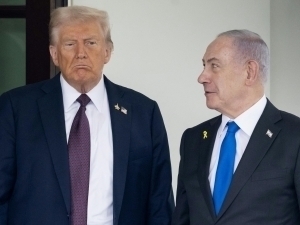
Кўриниб турибдики, режанинг турли бандлари ҲАМАС ва Исроилни қониқтирмайди. Қаршилик гуруҳи сектордан чиқиб кетишга рози бўлмаслиги, Исроил Бош вазири Биньямин Нетаньяху эса Фаластин давлатини тузиш ҳақидаги бандга кескин қарши чиқиши кутилди. Лекин 29 сентябрь куни АҚШ Президенти Дональд Трамп Исроил Бош вазири Биньямин Нетаняхуни Оқ уйда қабул қилгач, уни бу режани қабул қилишга мажбурлади. Нетаньяху Трампнинг таклифини қабул қилгани эълон қилинди. Шундан сўнг, Трамп иккинчи томон ҳисобланмиш ҲАМАСга ҳам ушбу таклифни қабул қилиш учун 5 октябргача муҳлат берди. У ҳаракат аъзоларига таклифга ижобий жавоб қайтарилмаса, жаҳаннам билан таҳдид қилди.
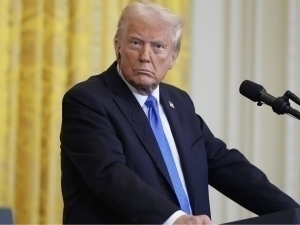
“Якшанба куни соат 18:00 (Вашингтон вақти) гача ҲАМАС билан келишувга эришилиши керак. Ҳар бир давлат розилик берди! Бу СО‘НГГИ ИМКОНИЯТ ва агар келишувга эришилмаса, ҲАМАСга қарши дунё ҳеч қачон кўрмаган даражадаги ДЎЗАХ бошланади”, деб ёзди Трамп.
ҲАМАС қабул қилди, аммо…
Шундан сўнг, ҲАМАС 3 октябрь куни АҚШ Президенти Дональд Трампнинг Ғазо бўйича таклифи шартларига мувофиқ равишда “тирик ёки ўлик ҳолда” барча исроиллик гаровдагиларни озод қилишга рози бўлди ҳамда келишув тафсилотларини муҳокама қилиш учун воситачилар орқали дарҳол музокара бошлашга тайёрлигини билдирди. Аммо ҳаракат расмийлари Трамп режасининг фақатгина бир неча муҳим қисмларини қабул қилган, қолган зиддиятли бандларга эса изоҳ ҳам бермаган. Жумладан, урушни тугатиш, Исроилнинг чиқиб кетиши, исроиллик гаровдагилар ва фаластинлик маҳбусларни озод қилиш, ёрдам ва тикланиш ишларини ташкил этиш ҳамда фаластинликларни ҳудуддан чиқаришга йўл қўймаслик каби бандларгина ҲАМАС томонидан маъқулланган.
Шу билан бирга, ҲАМАС баёноти билан Трамп режаси ўртасида Ғазонинг келажакдаги бошқаруви ва ҲАМАСнинг ўзи бу жараёнда қандай роль ўйнаши, тўғрироғи умуман роль ўйнамаслиги ҳақидаги масалаларда кутилганидек келишмовчилик мавжуд. Шунинг учун ҲАМАС бу борада музокаралар ўтказиш истагини билдирган. Улар, асосан, Ғазони келажакда хорижлик сиёсатчилар бошқариши ва ҲАМАСнинг ўзи Ғазо бошқарувида ҳеч қандай тарзда иштирок этмаслигига қарши. Чунки ҲАМАС ўз баёнотида ҳаракатни “кенг қамровли Фаластин миллий тузилмасининг бир қисми” деб ҳисоблашини билдирган. Аммо ҳаракат ўз аъзоларининг қуролларини топширса, уларга амнистия ва бошқа мамлакатларга хавфсиз чиқиб кетиш имкониятини берилиши ҳақидаги бандга ҳам изоҳ бермади.
Трамп назарда тутган хорижий ўтиш ҳукумати эса ҲАМАС томонидан ҳозирча рад этилгандек кўринмоқда. Чунки улар Ғазо маъмуриятини “миллий консенсусига асосланган, араб ва исломий кўмак билан фаолият юритадиган мустақил фаластинликлар органига” топширишга рози эканини билдирди. Ҳаракат расмийлари бундай таклиф ва ташаббус билан олдин ҳам чиқишганини эслатиб ўтиш лозим. Шу билан бирга, ҲАМАС АҚШ ва араб давлатлари ҳамкорликда ташкил этмоқчи бўлган “вақтинчалик халқаро барқарорлаштириш кучлари”ни Ғазога жойлаштириш режаси ҳақида изоҳ бермаган.
Кўпчиликни қизиқтираётган Ғазодаги ўша вақтинчалик ўтиш давридаги технократлар кимлиги эса алоҳида мавзу. Режага кўра, бу тузилма раҳбари Дональд Трамп бўлиши ва аъзолар орасида Буюк Британиянинг собиқ бош вазири Тони Блэр ҳам ўрин олиши назарда тутилмоқда. Аммо Блэр шунчаки аъзо эмас, балки бу ҳукуматга раҳбар бўлиш ниятида юргани маълум бўлди.
Қонли ўтмиш Яқин Шарққа қайтмоқда
“The Economist” нашри Буюк Британия собиқ бош вазири Тони Блэр Ғазода халқаро ўтиш даври ҳукуматига раҳбарлик қилишни истаяётгани ҳақида хабар берди. У секторда тинчлик ўрнатилганидан кейинки даврда анклавни қайта ташкил этишга энг кўп қизиқаётган сиёсатчилардан бири сифатида тилга олинмоқда. Маълум бўлишича, Британиянинг собиқ бош вазири 2023 йил 7 октябрдан буён бир неча бор Қуддусга ташриф буюрган ва ўзининг Лондондаги фондига Ғазо учун урушдан кейинки мандат режасини ишлаб чиқишни топширган. Бир нечта манбаларнинг билдиришича, Блэр Ғазо халқаро ўтиш даври ҳукуматини бошқариши мумкин. Бу тузилма БМТдан беш йил давомида “энг юқори сиёсий ва ҳуқуқий орган” сифатида фаолият юритиш ваколатини олишга интилади.
Агар Блэр номзоди маъқулланса, унинг ихтиёрида 25 кишидан иборат аппарат бўлади ҳамда у секторни бошқарадиган ижро этувчи орган устидан назорат олиб борувчи етти кишилик кузатув кенгашига раҳбарлик қилади. Унинг Ғазодаги сиёсий фаолияти ва ҳаракатларини молиялаштириш эса Форс кўрфази давлатлари зиммасига юклатилиши кутилмоқда. Блер секторда вақтинчалик халқаро бошқарув тузилмаларининг Шарқий Тимор ва Косоводаги тажрибаси асосида ишлаши тахмин қилинмоқда. Дастлаб у Ғазо чегарасидаги Мисрнинг Шимолий Синай вилоятида жойлашади, кейинчалик эса халқаро контингент ёрдами билан бевосита Ғазонинг ўзига кўчирилади.
Энди эса бу Блер жаноблари ким эканига қисқача тўхталсак. Яқин Шарқ цивилизациясининг ўчоқларидан бири бўлган Ироқни дўзахга айлантирган, минтақани тубсиз урушлар домига тортган шахсларнинг энг олдинги қаторларида турувчи, бугун Ироқда “у бизни алдaди”, деб афсус ва надоматлар билан эслатувчи шахсдир. Қўшимча маълумот учун эса, у шунчаки британиялик сиёсат ва давлат арбоби, Буюк Британия Лейбористлар партиясининг собиқ етакчиси. 1997 йилдан 2007 йилгача Буюк Британия бош вазири лавозимида ишлаган, аммо сиёсий карьерасининг асосий қисмини ўша Ироқ босқинига йўналтирган инсондир.
Ғазо миллиардерлар ва сионистлар қўлига ўтмоқда
Жорий ҳафта бошида Буюк Британия собиқ бош вазири Тони Блэр раҳбарлигидаги Ғазонинг келажакдаги бошқарув режаси ҳақидаги ҳужжат тармоқларга тарқади. Ғазо халқаро ўтиш маъмурияти учун таклиф қилинган режага кўра, бошқарув тузилиши шундай бўлади:
- Юқорида – халқаро даражадаги миллиардерлар ва бизнесменлардан иборат кенгаш;
- Пастда – қаттиқ текширувдан ўтган, “нейтрал” деб баҳоланган фаластинлик маъмурлар.
Бу маъмурият Исроил, Миср ва АҚШ билан яқин ҳамкорликда ишлайди ва Оқ уйнинг қўллаб-қувватловига эга бўлади. Лойиҳага кўра, Ғазо халқаро ўтиш маъмуриятини халқаро кенгаш бошқаради ва у ўтиш даврида Ғазо учун олий сиёсий ва ҳуқуқий ваколатга эга бўлади.
Энг қизиғи, Блэрга тегишли дея айтилган сиздирилган махфий ҳужжатда бу кенгашга номзод сифатида 4 киши тилга олинган ва уларнинг ҳеч бири фаластинлик эмас. Масалан, БМТнинг Яқин Шарқ тинчлик жараёни бўйича махсус координатори Сигрид Кааг. У Европада ҳурматга сазовор технократ сифатида танилган. Кааг 2023 йилнинг охиридан 2025 йилнинг ўрталаригача Ғазо учун БМТнинг инсонпарварлик ва қайта тиклаш бўйича бош координатори сифатида хизмат қилган. Бундан аввал у БМТнинг Бейрут, Дамашқ ва Қуддусдаги ваколатхоналарида ишлаган, шунингдек, Нидерландияда, яъни ўз ватанида вазир лавозимида ҳам фаолият юритган. Сигрид Каагда минтақа бўйича тажриба жуда катта ва у ушбу рўйхатдаги энг “нормал” номзод. Чунки қолган 3 киши сизни ҳайратга солиши аниқ.
Масалан, улар “ижроий ҳокимият ва молиявий тажрибага эга обрўли халқаро шахслар” сифатида танилган миллиардер ва етакчи сионистлардир. Улардан бири – Марк Роэн, АҚШдаги энг йирик хусусий инвестиция компанияларидан бири миллиардер эгаси. Уолл-стритдаги энг бой молиячилардан бири бўлган Марк Роэннинг бойлиги, “Bloomberg” маълумотларига кўра, 10 миллиард доллардан бироз ошади. 63 ёшли яҳудий миллиардер “Apollo Global Management” компаниясининг бош ижрочи директори ҳисобланади. Бу компания “хусусий капитал дунёсидаги йирик “монстр”, фойда учун ҳар нарсани қурбон қилишга тайёр саноат” деган таърифларга сазовор бўлган. “Apollo” ҳозирда 840 миллиард долларлик активларни бошқаради, уларнинг катта қисми Саудия Арабистони ва БАА сармоядорларига тегишли.
Роэн эса ултраисроилпараст яҳудий ҳисобланади. Сўҳбатда у ўзини “Исроилнинг фахрли тарафдори” сифатида таърифлаган. Роэн Исроилни “ўзи учун паноҳгоҳ” деб атаган ва “бу ўзига хос, махсус жой, биз – танланган халқмиз”, деб очиқчасига таъкидлаган. У АҚШ университетларида Фаластинни қўллаб-қувватловчи намойишларни кескин танқид қилган.
Мисрлик миллиардер Нагиб Савирис бойлиги тахминан 10 миллиард долларга яқин бўлган миллиардерлар оиласидан чиққанлиги билан танилган. Унинг отаси Онси Савирис Мисрнинг биринчи халқаро конгломератига айланган “Orascom” компаниясига асос солган. 71 ёшли Савирис асосий бойлигини телекоммуникация соҳасида тўплаган. У Мисрдаги илк мобил алоқа оператори бўлган “Mobinil” (ҳозирги “Orange Egypt”) компаниясининг ҳаммуассисларидан бири. Шунингдек, у Люксембургда жойлашган “La Mancha” холдинг компанияси орқали олтин саноатида ҳам фаол иштирок этади.
Мисрлик миллиардер Тони Блэр билан узоқ йиллардан бери яқин муносабатда бўлиб келади, бу муносабат ҳатто Блэрнинг Буюк Британия бош вазири бўлишидан аввал бошланган бўлиши мумкин. Блер 2020 йилда Савириснинг ўғли Ансийнинг Гиза пирамидалари ёнида бўлиб ўтган тўйига таклиф этилган. 2013 йилда эса улар Италиянинг ўнг қанот сиёсатчиси ва собиқ президенти Силвио Берлусконига тегишли виллалардан бири ёнида бирга суратга тушган. Шунингдек, улар бир неча марта Савириснинг люкс класс ли яхтаси бортида, хусусий самолётида, Қоҳирада ва Жанубий Африкада ҳам учрашган. Савирис айниқса Юнон ороли Микносни яхши кўриши, у ерда кўчмас мулк сотиб олгани ва севимли мисрлик мусиқачи ҳамда актёрларни зиёфатларига таклиф қилиб туриши айтилади.
Савирис АҚШ ва Буюк Британия бошчилигидаги босқиндан кейин Афғонистонни “қайта тиклаш” жараёнида иштирок этган ва шу пайтда ҳам Блэр билан ҳамкорлик қилган. БААнинг Мисрга катта сармоя киритиши ва фаол иштироки сабабли Савирис ўз маблағларини мамлакат ташқарисида сақлайди ва Дубай намунасидаги “эркин иқтисодий зона” сифатида Ғазо учун Блэр кўраётган режа билан ҳамоҳанг бўлган амирликлар билан яқин муносабатда.
Аре Лайтстоун. Иброҳим келишувлари институти бош директори. У шунингдек, ишбилармон ва раввин бўлиб, овқат учун келган фаластинликларни бир неча ой давомида қириб ташлаш учун воситачи бўлган Ғазо гуманитар жамғармасини яратиш ва ривожлантиришда фаол иштирок этган. Бу жамғарма – АҚШ ва Исроил қўллаб-қувватлаган ёрдам тақсимот тизими бўлиб, унинг Ғазодаги пунктларида 2000 дан ортиқ киши ҳалок бўлган, яна минглаб одамлар яралангани кўпчиликка маълум.
Лайтстоун аввал АҚШнинг Исроилдаги элчиси, яҳудийлар манзилгоҳлари ҳаракатининг қатъий ҳимоячиси Девид Фридманнинг юқори даражадаги маслаҳатчиси бўлган. Ҳозирда у АҚШнинг Яқин Шарқ бўйича махсус вакили Стив Уиткоффнинг яқин маслаҳатчиси ва ёрдамчиси ҳисобланади. Лайтстоун БМТнинг қаттиқ танқидчиси ҳисобланади ва у Оқ уй билан ҳамкорликда Ғазонинг урушдан кейинги сценарийларини ишлаб чиқишда иштирок этган. Ҳужжатларга кўра, БМТ билан музокараларда икки давлат ечими масаласи кўтарилганида, Лайтстоун: “бундай қадам учун вақт ҳали тўғри эмас, асосий устуворлик – ҲАМАСни майдондан чиқариш бўлиши керак”лигини айтган.
У бундан ташқари, Яқин Шарқ ҳақидаги китоб муаллифи ҳам бўлиб, уни Дональд Трампнинг куйови Жаред Кушнер мақтаган. Ҳа, айтганча Трампнинг ўша севимли куйови Кушнер ҳам Тони Блэр режасида иштирок этмоқда ва Ғазонинг “жуда қимматли” денгиз соҳили потенциали ҳақида кўп марта гапирган.
Албатта ҳозирча бу шахслардан ҳеч бири бу вазифага расман тайинлангани ёки уларнинг ўзи бу таклифга розилик бергани ҳақида маълумот йўқ. Аммо Блэр Ғазони келажакда бошқарадиган халқаро тузилмага раҳбар бўлса, кўп эҳтимол юқоридаги вариантларни унинг ёнида кўришимиз мумкин.
Жиддий муаммолар бор
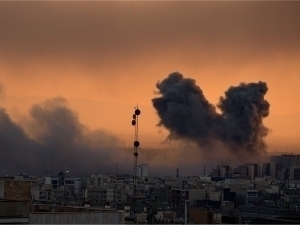
АҚШ Президенти Дональд Трамп 3 октябрь куни Исроилдан ҳужумни дарҳол тўхтатишни талаб қилди. Аммо Трампнинг бу чақириғидан кейин ҳам Ғазони ўққа тутиш давом этди. Исроил танклари Ғазо шаҳри марказидаги асосий йўллардан бири – Талатиний кўчасини ўққа тутишда давом этгани, Нетаньяху Трампнинг талабига тўпурганининг белгисидир. Бундан ташқари, Исроил ҳарбий самолётлари Ғазо шаҳридаги ҳаво ҳужумларини кучайтириб, Римал маҳалласида бир нечта уйларга зарба берган. Хон Юнус шаҳрида ҳам ҳаво зарбалари қайд этилган.
Шу боис, журналист Барак Равид Трамп Нетаньяхуни қаттиқ ҳақорат қилиб, уни шикоят қилавермасликка чақиргани ҳақида хабар берди. Ички сиёсий жиҳатдан ҳам Ғазо “қассоби” оғир босим остида қолган. Бир томонда урушдан чарчаган жамоатчилик ва гаровдаги шахслар оилалари уни урушни тугатишга чақирмоқда, иккинчи томонда эса қаттиқ позицияли ўта ўнг қанот иттифоқчилари Исроилнинг Ғазодаги ҳарбий ҳаракатларини тўхтатмасликни талаб қилмоқда. Айни дамда гаровда 48 нафар Исроил фуқароси қолган, аммо уларнинг 20 нафари тирик.
Тинчлик музокараларига ҳалақит қилаётган жарликлар эса етарлича. Жумладан, ҲАМАСнинг жавобида гуруҳ Ғазони қуролсизлантириш ва демилитаризация қилиш саволи очиқ қолдирилди. Бундан ташқари, ҲАМАС босқичма-босқич эмас, балки тўлиқ ва дарҳол Исроил қўшинларининг сектордан чиқишини талаб қилди. Гуруҳнинг юқори мартабали расмийси “Al Jazeera” телеканалига берган баёнотида, ҲАМАС Ғазо босқини тугамагунча қуролини топширмаслигини маълум қилган. Бу эса икки томоннинг ўзаро позицияларида катта жарлик борлигини кўрсатмоқда.
Лекин музокаралар тўхтаб қолгани йўқ. Трамп ўз баёнотлари ва интервьюларида барча жараёнларнинг якунланишига оз қолди деб ишонч билан гапирмоқда. Қатар Ташқи ишлар вазирлиги эса вакили Доҳа Миср ва АҚШ билан биргаликда Трамп режаси бўйича музокараларни давом этаётганини маълум қилди. Исроил ва ҲАМАС ўртасидаги учрашувга эса Миср мезбонлик қилади. Учрашув жойи учун Қоҳира ёки Шарм-ал-Шейх вариантлари мавжуд. Исроил делегациясига Бош вазир Биньямин Нетаньяхунинг яқин иттифоқчиси ва Стратегик режалаштириш вазири Рон Дермер раҳбарлик қилади. Трампнинг таъкидлашича, Ғазо секторида ўт очишни тўхтатиш режими ҲАМАС Трамп таклиф этган режага тўлиқ рози бўлган заҳоти кучга киради. Унгача эмас.
Live
AllOhangaronda o'qituvchi o'quvchini kaltakladi
22 October
Avstraliyada kuchli yomg'ir yog'di
22 October
Gretsiyada ham talabalar namoyish boshladi
22 October