ТДТ Афғонистон бўйича қўшма баёнот эълон қилди. Унда нима дейилган?
World
−
23 May 2025 8801 3 minutes
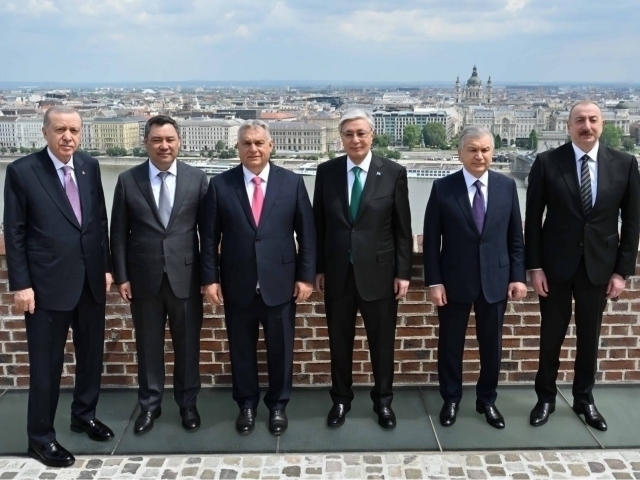
Туркий давлатлар ташкилотига (ТДТ) аъзо давлатлар раҳбарлари Афғонистон фуқароларининг барча асосий ҳуқуқларини фарқларсиз тиклаш ва таъминлаш орқали инсон ҳуқуқларига ҳурмат кўрсатишга чақирмоқда. Бу ҳақда жорий йилнинг 21 май куни Венриянинг Будапешт шаҳрида бўлиб ўтган ТДТ давлат ва ҳукумат раҳбарларининг норасмий саммити бўйича эълон қилинган қўшма баёнотда сўз боради.
Мазкур баёнот жами 14 банддан иборат бўлиб, унда Афғонистон фуқароларининг барча асосий ҳуқуқларини фарқларсиз тиклаш ва таъминлаш орқали инсон ҳуқуқларига ҳурмат кўрсатиш, мамлакат ҳудуди ҳеч бир мамлакатга қарши террорчилик мақсадларида фойдаланилмаслиги учун терроризмга қарши курашиш бўйича ҳамкорликни кучайтириш ва қатъий чоралар кўриш талаб қилиниши ҳамда Афғонистон билан савдо ва иқтисодий алоқаларни кучайтириш рағбатлантирилиши айтилган.
Хусусан, Туркий давлатлар ташкилотига аъзо давлатлар раҳбарлари:
- Афғонистон халқининг зудлик билан эҳтиёжларини қондириш ва мамлакатда барқарорликка эришиш мақсадида халқаро ҳамжамият томонидан кўрсатилаётган гуманитар ёрдамларга доимий ва барқарор ҳисса қўшишни қўллаб-қувватлайди.
- Де-факто ҳокимият ва афғон халқига узоқ муддатли тинчлик, миллий ярашув, барқарорлик ва тараққиётга эришишда ёрдам кўрсатиш ҳаракатларини давом эттиради.
- Афғонистон халқининг хилма-хиллигини акс эттирувчи вакиллик асосидаги бошқарув тузилмасини шакллантиришни рағбатлантиради.
- Афғонистон фуқароларининг барча асосий ҳуқуқларини фарқларсиз тиклаш ва таъминлаш орқали инсон ҳуқуқларига ҳурмат кўрсатишни талаб қилади.
- Афғонистон ҳудуди ҳеч бир мамлакатга қарши террорчилик мақсадларида фойдаланилмаслиги учун терроризмга қарши курашиш бўйича ҳамкорликни кучайтириш ва қатъий чоралар кўришни талаб қилади.
- Гиёҳванд моддаларни ноқонуний ишлаб чиқариш ва уларнинг контрабандасини бутунлай йўқ қилиш зарурлигини таъкидлайди ҳамда Афғонистонга муқобил ҳаёт манбаларини тақдим этиш орқали кўпроқ ёрдам кўрсатишни чақиради.
- Барқарор ривожланишни қўллаб-қувватлаш мақсадида Афғонистон билан савдо ва иқтисодий алоқаларни кучайтиришни рағбатлантиради.
- Афғонистоннинг музлатилган молиявий активларини қайтариш, банк тизимини халқаро молиявий тизимга қайта интеграция қилиш, молиявий шаффофлик чораларини ва тегишли ҳуқуқий кафолатларни жорий этиш орқали мамлакат иқтисодий тикланишини таъминлаш зарурлигини таъкидлайди.
- Афғонистон атрофидаги ва ичидаги йирик инфратузилма ва транспорт лойиҳаларини, хусусан: Транс-Афғон темирйўли, Туркманистон-Афғонистон-Покистон-Ҳиндистон (ТАПҲ) газ қувури, Туркманистон-Афғонистон-Покистон (ТАП-500) электр узатиш лойиҳаси, Марказий Осиё-Жанубий Осиё электр энергиясини узатиш ва савдоси лойиҳаси (CАSА-1000), Хитой-Қирғизистон-Ўзбекистон темирйўли, Сурхон–Пул-и-Хумри электр узатиш лойиҳаси, Лапис Лазули йўналиши каби лойиҳаларни амалга оширишга чақиради ва бу лойиҳаларни халқаро молиявий институтлар томонидан қўллаб-қувватланишини истайди.
- Афғонистон ичидаги ва ташқарисидаги афғон қочқинлари муаммосини ҳал қилишда халқаро ёрдамнинг давом эттирилишини чақиради.
- Афғонистон халқига, қўшниларига, минтақага ва бутун халқаро ҳамжамиятга нисбатан тинчликда бўлган, тўлиқ ҳуқуқли халқаро ҳамжамият аъзоси сифатидаги Афғонистон манзарасига эришиш мақсадида халқаро ҳамжамият томонидан натижавийликка асосланган йўл харитаси орқали уйғун, мувофиқлаштирилган ва тузилмавий ёндашув асосидаги ҳамкорликни қўллаб-қувватлайди.
- ТДТ аъзо давлатларининг Афғонистонга доир миллий, минтақавий ва халқаро ташаббуслари ва иштирокини, хусусан БМТнинг Марказий Осиё ва Афғонистон бўйича барқарор ривожланиш Маркази (Олмота), Термиз халқаро савдо маркази, Термиз кўп функцияли логистика маркази, БМТ Доҳа жараёни ишчи гуруҳлари каби ташаббусларини эътиборга олади.
- Шу муносабат билан ТДТ аъзо давлатларининг Афғонистон билан иқтисод, савдо, гуманитар ёрдам, таълим ва бошқа соҳаларда ҳамкорлик имкониятларини ўрганишни рағбатлантиради.
- Ташқи ишлар вазирларига Афғонистондаги вазиятни ТДТнинг Афғонистон бўйича ишчи гуруҳи орқали доимий назоратда ушлаб бориш вазифасини топширади.
Эслатиб ўтамиз, Ўзбекистон Республикаси Президенти Шавкат Мирзиёев мазкур саммитда Афғонистон масаласига тўхталганди. Мирзиёевнинг фикрича, глобал ва минтақавий хавфсизлик ҳақида сўз борганда, Афғонистондаги мураккаб вазиятни инобатга олиш ва унга биргаликда ечим топиш лозим.

Live
All23 October