“Тарихий бурилиш”. Саудия-Покистон мудофаа шартномаси минтақа геосиёсатига қандай таъсир кўрсатади?
Review
−
18 September 2025 9937 8 minutes
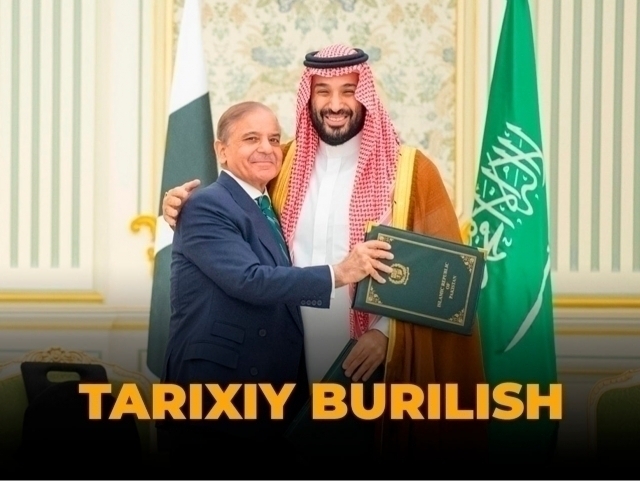
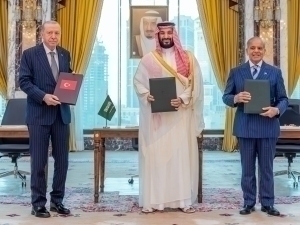
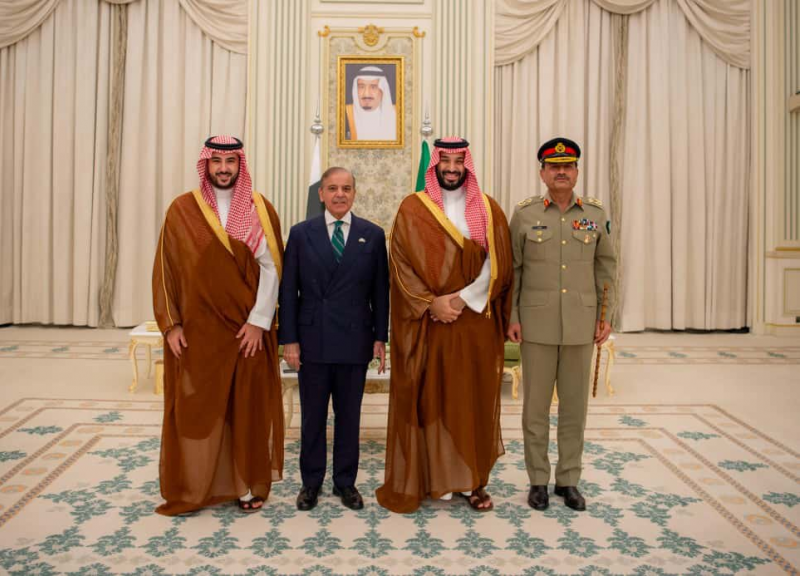
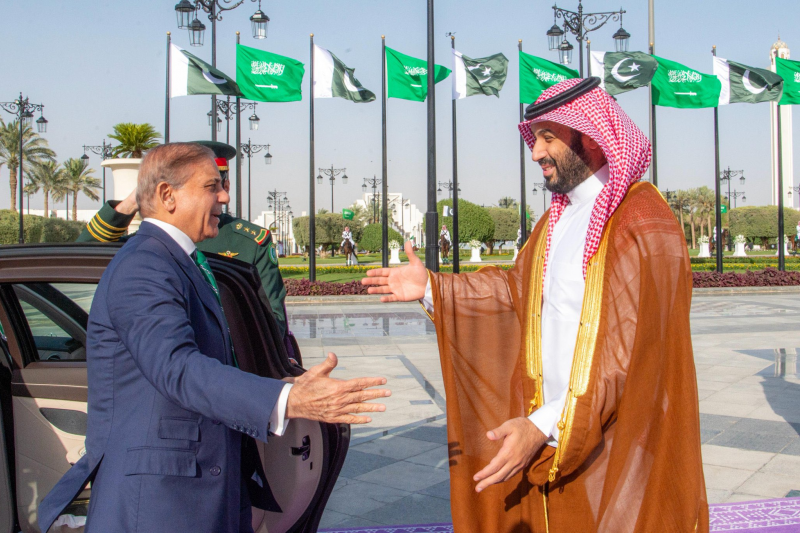
Покистон Бош вазири Шаҳбоз Шариф кеча, 17 сентябрь куни Ар-Риёдда Саудиянинг F-15 қирувчи самолётлари, қизил йўлак ва тўлиқ шоҳона протокол билан кутиб олинди. У Саудия Арабистони валиаҳд шаҳзодаси ва Бош вазири Муҳаммад бин Салмон билан биргаликда “Стратегик ўзаро мудофаа келишуви”ни имзолади.
Кузатувчиларнинг айтишича, бу қарийб саксон йилдан бери давом этаётган икки давлат ўртасидаги иттифоқда муҳим бурилиш нуқтаси бўлди.
Ар-Риёддаги “Ал-Ямома” саройида ўтказилган имзолаш маросимида исломнинг икки муқаддас масжид ҳомийси Саудиядан ва ислом оламининг ягона ядровий давлати Покистондан юқори мартабали амалдорлар иштирок этди.
Бу келишув жуда муҳим пайтда тузилди. Минтақадаги сиёсат охирги икки йилда Исроил "тажовузи" сабаб тубдан ўзгариб кетди – Ғазодаги уруш ва қўшни давлатларга зарбалари ортидан ўтган ҳафта Исроил Қатар пойтахти Доҳага ҳужум қилди. Бу Саудия чегарасида содир бўлди.
Шунингдек, бу келишув май ойидаги қисқа, лекин қаттиқ тўқнашувдан сўнг, Ҳиндистон ва Покистон ўртасидаги кескинлик ошган бир вақтга тўғри келди. Тўрт кун давомида икки давлат бир-бирининг ҳарбий базаларига зарба берди ва бу Жанубий Осиёни ядровий қўшнилар ўртасидаги тўлиқ уруш ёқасига олиб келди.
Покистон Ташқи ишлар вазирлиги маълум қилишича, Саудия билан имзоланган шартнома икки давлатнинг хавфсизликни мустаҳкамлаш ва минтақавий тинчликни рағбатлантиришга бўлган “ўзаро садоқати”ни ифода этади. Шунингдек, ҳар қандай тажовузга қарши биргаликда чора кўриш ва умумий хавфсизликни таъминлаш юзасидан келишиб олинган.
“Шартномада шундай дейилади: агар ҳар қандай давлат икки давлатдан бирига тажовуз қилса, бу иккаласига ҳам тажовуз ҳисобланади”, дейилади вазирлик баёнотида.
Вашингтондаги Stimson Center илмий ходими Асфандияр Мир бу келишувни икки давлат учун “тарихий бурилиш” деб таърифлади.
“Покистон авваллари Совет даврида АҚШ билан ўзаро мудофаа шартномаларига эга бўлган, аммо улар 70-йилларда барбод бўлган. Хитой билан эса, кенг кўламли мудофаа ҳамкорлиги бўлса-да, Покистон ҳалигача расмий ўзаро мудофаа келишувига эга эмас”, деган Мир “Al Jazeera”га.
Австралиядаги Сидней Технология университети тадқиқотчиси Муҳаммад Файсалнинг фикрича, бу шартнома Покистонга БAA ва Қатар каби муҳим Форс кўрфази давлатлари билан ҳам икки томонлама мудофаа ҳамкорлиги ўрнатиш учун намуна бўлиши мумкин.
“Қисқа муддатда, бу келишув ҳозирда олиб борилаётган кўп йўналишли мудофаа ҳамкорлигини мустаҳкамлайди ва расмийлаштиради, шу билан бирга, қўшма машқлар, мудофаа ишлаб чиқариши ва Саудиядаги покистонлик ҳарбийлар контингентини кенгайтириш имкониятлари ҳам ўрганилади”, дейди Файсал.
Тарихий алоқалар ва ҳарбий ҳамкорлик
Саудия Арабистони 1947 йил августда мустақилликка эришган Покистонни тан олган илк давлатлардан бири эди. 1951 йилда икки давлат “Дўстлик шартномаси”ни имзолаб, стратегик, сиёсий, ҳарбий ва иқтисодий ҳамкорликнинг асосини қўйди.
Кейинги йиллар давомида Покистон қўшинлари бир неча бор Саудияга жойлаштирилди ва саудиялик ҳарбийларни ҳам мамлакатда, ҳам Покистонда тайёрлади.
Расмий маълумотларга кўра, 1967 йилдан бери Покистон 8 мингдан ортиқ саудияликни ўқитган. 1982 йилда имзоланган шартнома эса бу ҳамкорликни янада мустаҳкамлаб, “Покистон Қуролли кучлари ҳарбий тайёргарликни Саудияда амалга ошириши”ни кафолатлаган.
Бироқ энг сўнгги шартнома Яқин Шарқдаги геосиёсий вазият кескин ўзгариб турган бир пайтда имзоланди. Исроилнинг Ғазода уруш олиб бориши ва қўшниларга зарбалари кўпгина Кўрфаз давлатларини безовта қилди. Гарчи Вашингтон Исроилнинг яқин иттифоқчиси бўлса-да, минтақадаги араб давлатлари ҳануз АҚШнинг хавфсизлик кафолатларига қаттиқ таянади.
Қатар — 9 сентябрда ҲАМАС раҳбарларига "паноҳ бергани учун" Исроил ҳужум қилган давлат АҚШ Марказий қўмондонлиги (CENTCOM)нинг қароргоҳи вазифасини бажарган.
2025 йил ўртасига келиб, АҚШнинг 40–50 минг кишилик қўшини Яқин Шарққа жойлаштирилган бўлиб, улар катта базалар ва камида 19 та постда турибди, жумладан, Ар-Риёд яқинидаги Шаҳзода Султон ҳаво базасида ҳам.
Саудия расмийлари Покистон билан мазкур келишув камида бир йилдан бери ишлаб чиқилаётганини айтса-да, Вашингтондаги мустақил таҳлилчи Саҳар Хон шартнома матни АҚШда “кўплаб саволлар туғдиради”, дея таъкидлади.
Байден маъмурияти (2021–2025) даврида Покистонга камида етти марта санкция қўйилган, бунга сабаб – баллистик ракета дастури билан боғлиқ айбловлар эди. АҚШ амалдорлари Покистон қуролларининг узоқ масофага етиши ва ядро бомбаларини ҳам кўтара олиш эҳтимоли ҳақида хавотир билдирган эди.
“Покистон Вашингтонда ишонч муаммосига дуч келган, бу келишув эса уни ҳал қилмайди”, деди Хон.
Хоннинг айтишича, Покистон ўзининг ядровий ва ракета дастури Ҳиндистонга қаратилганини аниқлаштириб қўйишдан манфаатдор. Шу билан бирга, Саудия Арабистони билан икки томонлама алоқалар мустаҳкам бўлиб қолишига қарамай, Покистон Саудиянинг урушларида қатнашмайди, балки фақат тегишли қўллаб-қувватлашни тақдим этади.
Минтақадаги вазият
Жорий йил июнь ойида Исроил Эронга қарши 12 кунлик уруш олиб борди, ядровий объектларига ҳамда ҳарбий ва фуқаролик раҳбарларига зарба берди. Америка бомбардимончи самолётлари ҳам иштирок этиб, Эроннинг муҳим ядровий мажмуаси Фордовга улкан “бункер-бастер” бомбаларини ташлади.
Уч ойдан кейин Исроил Доҳадаги элчихоналар, супермаркетлар ва мактаблар жойлашган ҳудуддаги бинога зарба берди. Ҳужумда камида беш нафар ҲАМАС аъзоси ва бир қатор хавфсизлик ходими ҳалок бўлди.
Доҳага қилинган ҳужум араб ва ислом давлатлари йиғилишини чақиришга олиб келди. Кўрфаз ҳамкорлик кенгаши давлатлари – Баҳрайн, Қувайт, Уммон, Қатар, Саудия Арабистони ва БАА – қўшма мудофаа механизмларини ишга туширишини маълум қилди.
Файсалнинг айтишича, Саудия-Покистон шартномаси айнан шу воқеалар заминида кўрилиши керак.
“Бу воқеалар Қўрфаз давлатлари хавфсизлик борасидаги хавотирларини кучайтирди ва АҚШнинг “сўнгги қалқон” сифатидаги ишончини ҳам синовга қўйди. Шу сабаб Кўрфаз давлатлари хавфсизликни мустаҳкамлаш учун Покистон, Миср ва Туркия каби минтақавий ҳамкорларни табиий йўлдош сифатида кўрмоқда”, дейди у.
Хон эса шартнома Исроилнинг Қатарга яқиндаги ҳужуми билан боғлиқдек кўриниши мумкин бўлса-да, “бу турдаги келишувлар ойлар, балки йиллар давомида муҳокама қилиниши”ни қайд этди.
Ҳиндистон масаласи
Бу мудофаа шартномаси Покистоннинг ядровий рақиби Ҳиндистон томонидан ҳам яқиндан кузатилади.
Икки давлат ўртасидаги муносабатлар тарихдаги энг ёмон аҳволда бўлиб, апрель ойида янада кескинлашди. Пахалгамда содир этилган ҳужумда 26 фуқаро ҳалок бўлди ва Ҳиндистон бунда Покистонни айблади Покистон буни рад этди.
Бир неча кундан кейин, май ойида икки давлат 4 кунлик тўқнашувда бир-бирининг ҳарбий базаларига дрон ва ракеталар билан зарба берди. Бу сўнгги 30 йилдаги энг жиддий кескинлашув эди. 10 май куни эса АҚШ Президенти Дональд Трамп аралашуви билан оташкесим эълон қилинди.
“Биз шартнома имзоланганидан хабардормиз. Бу ривожланишнинг миллий хавфсизлигимиз, минтақавий ва глобал барқарорлик учун оқибатларини ўрганиб чиқамиз. Ҳукумат Ҳиндистон миллий манфаатларини ҳимоя қилиш ва барча соҳаларда миллий хавфсизликни таъминлашга қатъий содиқ қолади”, деди Ҳиндистон Ташқи ишлар вазирлиги матбуот котиби Рандҳир Жайсвал 18 сентябрь куни бўлиб ўтган брифингда.
Бироқ таҳлилчи Файсалнинг айтишича, бу келишув Покистон ва Саудия муносабатларини қайта мувозанатлаштириши мумкин. Сўнгги йилларда бу муносабат Саудия томонидан иқтисодий қийналаётган Покистонга молиявий ёрдам кўрсатиши билан белгиланиб келган эди, шу билан бирга, Ар-Риёд Ҳиндистон билан яқинроқ алоқаларни ривожлантираётган эди.
“Покистоннинг нисбий мавқеи яхшиланди ва икки томонлама мудофаа ҳамда минтақавий хавфсизлик масалаларида Покистон–Саудия ҳамкорлигини кенгайтириш учун янги имкониятлар очилди”, дейди таҳлилчи.
Сўнгги ўн йилликда Покистон иқтисодиёти қийналиб, Саудия ёрдамига кўпроқ боғлиқ бўлиб қолган бир пайтда, Ҳиндистон Ар-Риёд билан ўз муносабатларини изчил равишда чуқурлаштириб келди. Ҳиндистон Бош вазири Нарендра Моди шу йил апрель ойида ўн йил ичида учинчи марта Саудия Арабистонига ташриф буюрди.
Мирнинг таъкидлашича, янги шартнома Саудиянинг Покистон билан муносабатларини ҳали ҳам қадрлашини кўрсатади ҳамда Ҳиндистоннинг мамлакатларни Покистондон узоқлаштиришга уринишига қарамай, Исломобод ўзининг кенг қўшничилик муҳитида яккаликда эмаслигини англатади.
“Айнан Покистон Ҳиндистон ҳарбий ҳаракатлари таҳдидига дуч келаётган бир вақтда. Покистон Саудиядан кучли жамоавий мудофаа шартномасини қўлга киритди. Шу боис бу келгуси Ҳиндистон–Покистон муносабатларига катта мураккаблик киритади”, дейди у.
Покистоннинг Саудия Арабистони устидаги ядровий қалқони?
Саудия Арабистони узоқ вақтдан бери фойдали қазилмаларга боғлиқликни камайтириш мақсадида фуқаролик ядро технологиясини қўлга киритишга қизиқиш билдириб келмоқда.
Жорий йил январь ойида Саудия энергетика вазири шаҳзода Абдулазиз бин Салмон Ол Сауд Ар-Риёднинг ядровий дастурлар учун асосий компонент ҳисобланган уранни бойитиш ва сотишга тайёр эканини яна бир бор таъкидлади. Бироқ Саудия Арабистони ядровий қурол яратишни кўзламаётганини ҳам бир неча бор очиқ айтиб келган.
Америкалик журналист Боб Вудворд ўзининг 2024 йилда чоп этилган “Уруш” китобидаги ҳикоясида, гўёки Саудия валиахд шаҳзодаси Муҳаммад бин Салмон Ол Сауд АҚШ сенатори Линдси Грэмга уранни фақатгина энергетика мақсадларида бойитиш нияти борлигини айтганини келтиради.
Грэм атом бомбаси эҳтимолидан хавотир билдирганида, Вудворднинг ёзишича, валиахд шаҳзода Салмон шундай жавоб қайтарган:
“Менга бомба тайёрлаш учун уран керак эмас. Уни шунчаки Покистонддан сотиб оламан”.
Шунга қарамай, таҳлилчи Хоннинг таъкидлашича, Покистон ва Саудия ўртасида имзоланган келишувнинг қамрови ҳақида айрим ноаниқ жиҳатлар мавжуд.
“Таъкидлаш жоизки, Покистон олдин ҳам мудофаа шартномалари тузган, аммо уларнинг ҳеч бири ядровий кафолатларга ёки “ядровий соябон” шаклланишига олиб келмаган. Бу келишувда ҳам ядровий соябон ёки кенгайтирилган тийиб туриш сиёсатига ишора қилувчи ҳеч қандай модда йўқ”, деди у.
Мирнинг огоҳлантиришича, ҳатто мустаҳкам иттифоқлар ҳам хавф-хатарларни ўз ичига олади.
“Бу шартнома нималарни қамраб олиши ёки олмаслиги, тийиб туриш, ресурслар тақсимоти, амалий жиҳатлар ва бошқа масалалар атрофида янги иттифоқ сиёсатини келтириб чиқаради. Бироқ бу шартнома тузилганининг сиёсий аҳамиятини камайтирмайди. Бу ҳар икки давлат учун катта воқеа”, деди у.
Файсал ҳам бу фикрга қўшилди ва унинг таъкидлашича, келишув бир давлатга қилинган тажовуз иккинчисига қилинган деб қаралиши ҳақида гапирса-да, ҳозирча бу кўпроқ сиёсий баёнот, аммо ҳақиқий иттифоқ ёки қўшма мудофаа мажбурияти эмас.
“Шунга қарамасдан, ҳар икки тараф ўртасида сиёсий ва мудофаа ҳамкорлиги чуқурлашади, шу билан бирга, ҳар икки давлатнинг ҳарбий салоҳияти ҳам мустаҳкамланади”, деди у.

Live
All