Судьяларни лавозимга тайинлаш тартиби ўзгаради
Local
−
25 November 2025 5251 4 minutes
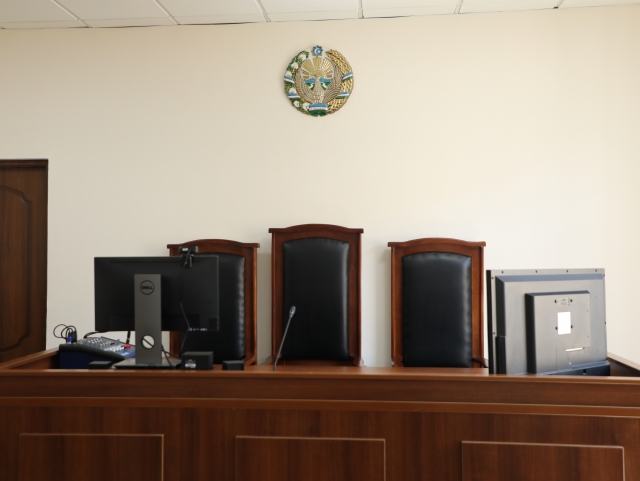
Судьяларни навбатдаги ўн йиллик муддатга тайинлаш тартиби бекор қилинади. Бу ҳақда кеча, 24 ноябрь куни эълон қилинган Президентнинг “Судьялар ҳамжамияти органлари фаолиятининг самарадорлиги ва очиқлигини ошириш ҳамда суд мустақиллиги кафолатларини янада кучайтириш чора-тадбирлари тўғрисида”ги фармонида сўз боради.
Фармон билан қуйидагилар суд ҳокимиятининг чинакам мустақиллигини таъминлаш, судьялар ҳамжамияти органлари фаолиятининг самарадорлигини оширишнинг устувор мақсадлари этиб белгиланмоқда:
- судьялар ҳамжамияти органлари фаолиятида судьяларнинг ўзини ўзи бошқариш тамойилини ва суд мустақиллигига оид илғор халқаро стандартлар кенг жорий этилишини таъминлаш;
- судьялар корпусини шакллантириш тартибини такомиллаштириш, ушбу жараёнда судьялар ҳамжамияти органлари ролини ошириш ва уларнинг масъулият доирасини аниқ белгилаш;
- судьялар ҳамжамияти органлари фаолиятида очиқликни таъминлаш, судьяликка номзодларни танлашнинг шаффоф тартибини жорий этиш;
- суд тизимида аёл судьялар улушини камида 30 фоизга етказиш орқали тизимда гендер тенгликни таъминлаш.
Фармонга кўра, судьяларни навбатдаги ўн йиллик муддатга тайинлаш (сайлаш) тартиби бекор қилиниб, судьялик лавозимларига номзодларни дастлаб беш йил муддатга, кейинчалик муддатсиз даврга тайинлаш (сайлаш) тартибини белгиланади. Туманлараро, туман, шаҳар судлари раислари ва уларнинг ўринбосарлари лавозимларига номзодларни аниқ мезонларга кўра судьялар орасида очиқ танлов асосида танлаш тартиби ўрнатилади. Шунингдек, судьянинг касбий фаолиятини баҳолашда “ҳалоллик”, “касбий лаёқатлилик” ва “одоб қоидаларига риоя этиш” талабларининг аниқ мезонлари қонун даражасида белгиланади.
Судьялар олий кенгашининг доимий асосда фаолият юритувчи судьялари лавозимига номзодлар тегишли суд судьялари малака ҳайъатлари томонидан тавсия этилиши белгиланмоқда. Бунда кенгашнинг доимий асосда фаолият юритувчи судьялари лавозимига, қоида тариқасида, судья сифатида камида 7 йил ишлаган судьялар номзоди кўрсатилиши мумкин.
Фармонга кўра, Судьялар олий кенгашининг судьялик лавозимларига номзодлар бўйича хулосалар қуйидаги судьялар ҳамжамияти органлари томонидан тақдим этилишини назарда тутувчи тартиб қонунчиликка киритилади:
- судьялар малака ҳайъатлари – ҳарбий судлар, Қорақалпоғистон Республикаси, вилоятлар ва Тошкент шаҳар судлари, Қорақалпоғистон Республикаси, вилоятлар ва Тошкент шаҳар маъмурий судларининг судьялари, ҳудудий ҳарбий судларнинг, туманлараро, туман, шаҳар судларининг раислари, раис ўринбосарлари ва судьялари лавозимларига номзодлар бўйича;
Судьялар олий малака ҳайъати – Олий суд судьялари, Қорақалпоғистон Республикаси, вилоятлар ва Тошкент шаҳар судлари, Қорақалпоғистон Республикаси, вилоятлар ва Тошкент шаҳар маъмурий судларининг, Ўзбекистон Республикаси Ҳарбий судининг раислари ва раис ўринбосарлари лавозимларига номзодлар бўйича.
Бундан ташқари, судьялар ҳамжамияти органларининг мустақиллигини ошириш мақсадида Кенгаш ва Судьялар олий малака ҳайъатининг қўшма йиғилишини ўтказиш тартиби бекор қилинади.
Судьялар олий кенгаши раисига судьялар томонидан Судьялар одоби кодекси нормалари бузилган ёки манфаатлар тўқнашувига йўл қўйилган ҳолатларда судьялар малака ҳайъатлари томонидан интизомий иш асоссиз тугатилган ёки тайинланган интизомий жазо судья содир этган қилмишга мос эмас деб топилган тақдирда, малака ҳайъатларининг тегишли қарорларини қайта кўриб чиқиш бўйича тақдимнома киритиш, шунингдек, кенгашнинг тузилмаси ва штат жадвалини белгиланган штат бирликлари доирасида мустақил тасдиқлаш ваколатлари берилади.
2025 йил 15 декабрга қадар кенгашнинг расмий веб-сайтида суд тизимида мавжуд бўш раҳбарлик ва юқори турувчи судьялик лавозимларига оид маълумотлар ҳамда уларни эгаллаш учун танловда иштирок этиш тартиби, суд тизимида судьялик лавозимлари, шу жумладан, раҳбарлик ва юқори турувчи судьялик лавозимларига номзодларни танлаш ҳамда тайинлаш бўйича барча босқичларга оид маълумотларни очиқ эълон қилиб бориш амалиёти жорий этилади.
Live
All26 October
26 October