Ministry of Health warns about coxsackievirus, which spreads rapidly in winter (video)
Wellness
−
4726 2 minutes
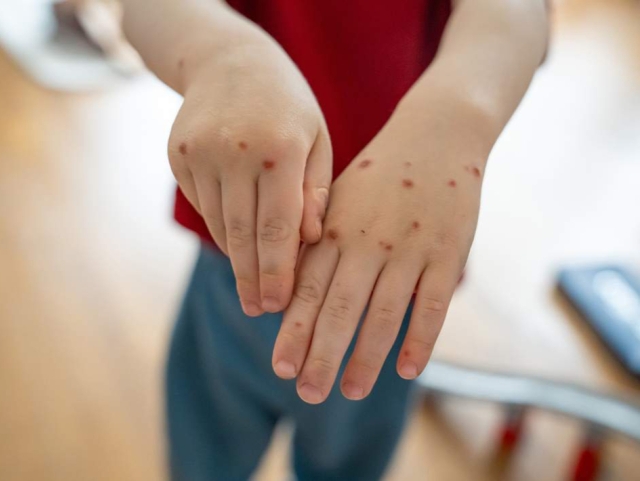
The likelihood of contracting certain infectious diseases increases during the autumn-winter season. One of them is Coxsackievirus infection, which is more common during this period. Nurmat Otabekov, First Deputy Chairman of the Committee for Sanitary and Epidemiological Welfare and Public Health, provided information about the disease.
According to him, Coxsackievirus infection is not registered as a separate disease in Uzbekistan. Since it is a type of enterovirus, cases may be recorded as part of the broader category of enterovirus infections. It follows a course similar to that of acute intestinal infections. In some cases, respiratory symptoms may occur alongside intestinal symptoms. There are around 70 types of coxsackievirus, but types A and B are the most common.
Most people infected with the virus experience mild illness and may have no serious symptoms. If a patient is infected with coxsackievirus type A, blisters may appear on the face, lips, nose and fingers. Type B, however, may cause intestinal symptoms and, in some cases, symptoms affecting parenchymal organs. In general, the disease is usually mild, and patients may not even realise they have been infected. However, in some cases, it can lead to serious complications such as pneumonia and meningitis.
“Therefore, when this disease is suspected, patients should receive symptomatic treatment. The virus was named coxsackievirus because it was first identified in the city of Coxsackie in the United States. However, today, people who have had a fever for more than four days or for an extended period may be suspected of having this infection. Nevertheless, the disease is generally mild, usually accompanied by respiratory symptoms, and complications are very rare,” said Nurmat Otabekov.
He added that there was no reason to be alarmed by the situation or reports about the disease circulating in the media. This infection is not particularly characteristic of Uzbekistan. It is more frequently reported in Europe, Latin America and Western countries in the Americas.
Following basic hygiene and sanitation rules, washing hands thoroughly and avoiding contact with others when symptoms appear are among the key preventive measures.

Live
All