Ҳиндистон-Покистон: ядровий кучлар тўқнашди
Review
−
07 May 2025 9626 5 minutes
Ядровий кучлар ўртасидаги зиддият кучаймоқда. Ядро қуролига эга бўлган Ҳиндистон ҳарбийлари жорий йилнинг апрель ойида Паҳалгам сайёҳлик шаҳарчасида сайёҳларга қилинган ҳалокатли ҳужум учун қасос сифатида бугун, 7 май кунига ўтар кечаси қўшни Покистондаги тўққизта нишонга ҳужум қилди. Ҳиндистон армияси Покистондаги “террорчилик” инфратузилмасига қарши қаратилган “Синдур” операциясини эълон қилиб, ярим тундан кейин мамлакатнинг Музаффаробод шаҳри атрофига ракета зарбаларини йўллади.
Ҳиндистон Мудофаа вазирлиги Покистондаги 9 та нишонга жами 9 та ракета зарбаси берилганини маълум қилди. Нью-Деҳли нишонлар Покистон ҳарбий объектлари эмаслигини алоҳида таъкидлади.
“Покистоннинг ҳеч бир ҳарбий объектига ҳужум қилинмади. Ҳиндистон мақсад ва усулларни танлашда анча вазминлик кўрсатди”, дейилган Ҳиндистон Мудофаа вазирлигининг хабарида.
Покистон Мудофаа вазирлиги Ҳиндистон мамлакат ҳудудига ракета зарбалари йўллаганини тасдиқлади. Ўз навбатида, Покистон жавоб чоралари кўрилишини таъкидлади.
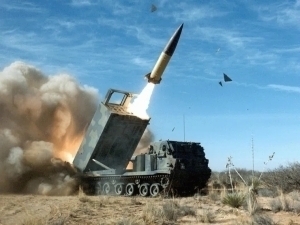
“Ani” агентлигининг маълумотларига кўра, барча зарбалар Ҳиндистон ҳудудидан юқори аниқликдаги қуроллар ёрдамида амалга оширилган. Покистон Ташқи ишлар вазирлиги ҳам зарбалар Ҳиндистон ҳудудидан амалга оширилганини тасдиқлади ва унинг баёнотида Нью-Деҳли Покистон суверенитетини бузишда айбланди.
Маълумотларга кўра, Ҳиндистоннинг ракета зарбаси оқибатида Покистоннинг Котли шаҳрида икки тинч фуқаро ҳалок бўлган. Шарқий Аҳмадпур шаҳрида камида 12 киши жароҳатланган. Ҳиндистон иккита масжидга ҳам зарба берган. Кейинроқ Покистон Мудофаа вазирлиги 8 нафар тинч аҳоли ҳалок бўлгани ҳақида хабар берди. Сал вақтдан сўнг Ҳиндистон полицияси Покистоннинг Кашмирдаги зарбалари туфайли 10 киши ҳалок бўлгани ва 48 киши жароҳатланганини маълум қилди. Покистон, ўз навбатида, Нью-Деҳлининг ҳаракатлари ортидан 26 киши қурбон бўлгани ва 46 киши яралангани ҳақида маълумот тарқатди.
Покистон расмийларига кўра, мамлакат армияси Ҳиндистоннинг 5 та қирувчи самолётини, жумладан, иккита Rafale самолётини уриб туширган.
Покистон Бош вазири Шаҳбоз Шариф Ҳиндистоннинг ҳужумини “уруш ҳаракати” деб атади.
“Покистон Ҳиндистон томонидан жорий этилган ушбу уруш актига қатъий жавоб беришга тўлиқ ҳақли ва ҳал қилувчи жавоб аллақачон берилган”, дейди у ўзининг Х саҳифасида.
Покистон ҳам ҳаво ҳудудини 48 соатга ёпди ва Ҳиндистоннинг Кашмирдаги чегара ҳудудларига жавоб қайтарди. Мамлакат Қуролли кучлари Ҳиндистон армияси бригадасининг штаб-квартирасига зарба бергани ҳақида хабар берди.
Шариф Миллий хавфсизлик қўмитаси йиғилишини ўтказди. Мамлакатнинг Ахборот вазири Аттаулла Тарарнинг маълум қилишича, яна бир учрашув 8 май куни соат 10:00 га белгиланган. Покистон Ташқи ишлар вазирлиги Ҳиндистоннинг “ўйламасдан” қилган ҳаракатлари ядро қуролига эга давлатларни йирик можарога яқинлаштирганини айтди. Панжоб провинциясида фавқулодда ҳолат эълон қилинди.
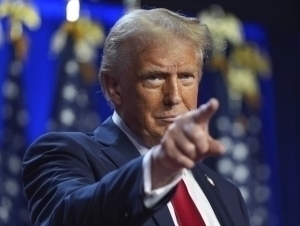
АҚШ Президенти Дональд Трамп Ҳиндистон ва Покистон ўртасидаги можаронинг кучайишини “шармандалик” деб атади ва унинг тезроқ ҳал этилишига умид билдирди.
БМТ Бош котиби Антониу Гутерришнинг матбуот котиби Стефан Дюжаррикнинг айтишича, Гутерриш Ҳиндистоннинг ҳарбий амалиётидан жуда хавотирда. У ҳар икки давлатни максимал даражада ҳарбий вазминликка чақирган.
Ҳиндистон ҳукумати Россия, АҚШ, Буюк Британия, Саудия Арабистони ва БАА вакиллари билан боғланиб, уларга Покистонга қарши операция ҳақида хабар берган.
“Синдур” операцияси
Ҳиндистоннинг Покистонга қарши ҳарбий амалиёти учун танлаган номи диний рамзий маънога эга кўринади. "Синдур” операцияси кўплаб ҳинд аёллари турмуш қургандан кейин пешоналарига суртадиган қизил вермилион ёки кукунга ишорадир.
Ҳиндистон томонидан бошқариладиган Кашмирда жорий йилнинг апрель ойида содир бўлган қирғин бир неча аёлни бева қолдирди. Ҳужумдан кейинги кунларда эрининг жонсиз жасади ёнида ётган аёлнинг сурати интернетда тарқалиб, ҳужум қурбонлари бошдан кечирган оғриқ ва юрак изтиробининг рамзига айланди. Ҳиндистоннинг Мудофаа ва Ташқи ишлар вазирлари Х'га операция номининг расмини жойлаштирдилар, унда қизил кукун тасвирланган эди.
Икки мамлакат ўртасидаги можаролар ортидан Ҳиндистон ва Покистон бир-бирига қарши санкциялар, жумладан, фуқароларни чиқариб юбориш ва дипломатик муносабатларни қисқартиришни бошлади.
Мутахассислар Ҳиндистоннинг “Ҳинд сувлари тўғрисида”ги шартномани тўхтатиб қўйиш қарорини айниқса жиддий деб ҳисоблайди. У Ҳинд дарёсининг ҳар икки томонида ва унинг ирмоқларида сувдан фойдаланишни тартибга солади. Исломобод шартноманинг тўхтатилишини уруш ҳаракати деб атади ва тегишли жавоб чоралари билан таҳдид қилди.
Кашмирнинг Ҳимолой ҳудуди Покистон ва Ҳиндистон ўртасида бўлинган, бироқ иккала давлат ҳам бутун ҳудудга даъво қилади. Можаронинг келиб чиқиши мустамлакачилик даврига бориб тақалади. 1947 йилда инглизлар Ҳиндистон яриморолига мустақиллик бериб, уни қисмларга бўлиб олдилар. Бўлиниш натижасида асосан Ҳиндистон билан бир қаторда янги мусулмон давлати – Покистон ташкил топди. Ушбу бўлиниш бугунги кунгача аччиқ рақобатни кучайтиришда давом этмоқда. Мустақилликка эришгандан бери икки давлат бир-бирига қарши 3 та уруш олиб борган, шундан иккитаси Кашмир учун.
Сўнгги олти йил давомида урушаётган икки томон ўз авиациясининг кучини сезиларли даражада оширди. Ҳиндистон 400 км масофага учувчи Scalp ракеталари билан жиҳозланган Rafale қирувчиларини сотиб олди, бу эса душман ҳудудига кирмасдан нишонларга ҳужум қилиш имконини беради. Покистон эса француз Dassault Mirage ўрнига Хитойнинг J-10CE қирувчи самолётларини сотиб олди.

Live
All