Самарқандда энергетикларнинг қўлга олиниши қонуниймиди?
Crime
−
17 February 2025 16538 4 minutes
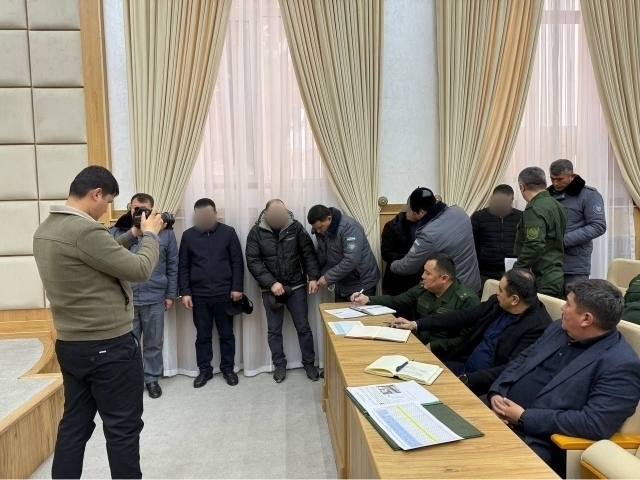
Аввалроқ, Энергетика вазирлиги Самарқанд вилоятида энергетика соҳасида содир этилаётган коррупцион ҳолатлар бўйича танқидий йиғилишда 7 нафар ходим қўлга олинганини маълум қилганди. Вазирлик эълон қилган кадрларда ходимларга мажлис залида кишан тақилиб, олиб чиқиб кетилгани тасвирланган. Ушбу ҳолат эса ижтимоий тармоқларда ҳуқуқ фаоллари орасида турли муҳокамаларга сабаб бўлмоқда.
Хусусан, адвокат Абдумалик Абдуллаевнинг ёзишича, йиғилиш жараёнида таъминот корхоналарининг коррупциявий жиноятларни содир қилганликда айбланган 7 нафар ходими гумонланувчи тариқасида ушланганлиги айтилган.
“Биринчидан, шахс айбланган бўлса, айнан гумон қилинувчи тариқасида ушланмайди. “Айбланган” деган сўз замирида ҳукмий ёндашув бўлиб, бу суднинг қонуний кучга кирган айблов ҳукми чиқарилганлигини ифодалаб қўяди.
Иккинчидан, шахсни гумон қилинувчи тариқасида ушлаш учун албатта, у айнан гумон қилинувчи тариқасида ишда иштирок этиш учун жалб қилинганлиги ҳақидаги суриштирувчи, терговчи ёки прокурорнинг қарори бўлиши талаб этилади.
Учинчидан, суратларда ўша 7 нафар шахсларнинг қўлларига қўлкишани (наручник) солинганлигини кўрамиз”, деб ёзади адвокат.
Абдуллаев “Ички ишлар органлари тўғрисида”ги қонунга эътибор қаратган ва ушбу қонуннинг махсус воситаларни қўллашга оид 23-моддасига кўра, қўлкишани махсус восита ҳисобланади ва уни қўллашнинг ўзига яраша асослари келтирилган.
“Лекин юқоридаги манзарада уларга нисбатан қўлкишани қўллашнинг асосларидан бирортасини топмадик ва шу боис ҳам, ушбу манзарани биз, ушланган шахсларнинг шахсиятларига нисбатан омма қаршисидаги репрессив ёндашув, деб ҳисоблаймиз”, дейди адвокат.
Абдуллаевнинг тахминича, Бош прокуратура айни шу ҳолатни ёритишда репрессивликни ифодалаб қўйишдан тийилган бўлиши мумкин. Лекин Бош прокуратура ушбу ҳолатда ўша 7 нафар шахсларнинг ушланиши ҳамда уларга нисбатан махсус восита ишлатилишининг процессуал ҳуқуқий асосини жамоатчиликка очиқлаши лозим.
Яна бир адвокат Хайрулло Қосимов ҳам йиғилишга деб борган ушбу ходимлар ҳамманинг кўз ўнгида қўлига кишан тақиб олиб чиқиб кетилганини уларнинг шаъни ва қадр-қимматини камситиш деб ҳисобламоқда.
“Тўғри, улар гумонланувчи бўлиши мумкин, лекин бу дегани уларнинг шаъни ва қадр-қимматини камситиш мумкин дегани эмас. Терговчининг хонасида бир ўзини ушлаш бошқа, ҳамкасблар кўз олдида қўлига кишан тақилиши бошқа. Иккинчисида эса хоҳлаймизми йўқми, ушланганларнинг шаъни оёқости қилинган”, дейди адвокат Қосимов.
У Ўзбекистон қонунчилигидаги айрим моддаларни эслатиб ўтган:
- Конституциянинг 13-моддасига кўра
Ўзбекистон Республикасида демократия умуминсоний принципларга асосланади, уларга кўра инсон, унинг ҳаёти, эркинлиги, шаъни, қадр-қиммати ва бошқа ажралмас ҳуқуқлари олий қадрият ҳисобланади.
2. 26-моддасига кўра
Инсоннинг шаъни ва қадр-қиммати дахлсиздир. Ҳеч нарса уларни камситиш учун асос бўлиши мумкин эмас.
Ҳеч ким қийноққа солиниши, зўравонликка, бошқа шафқатсиз, ғайриинсоний ёки инсон қадр-қимматини камситувчи муомалага ёхуд жазога дучор этилиши мумкин эмас.
3. 28-моддасига кўра
Озодликдан маҳрум этилган шахслар ўзига нисбатан инсоний муомалада бўлиниши ҳамда инсон шахсига хос бўлган шаъни ва қадр-қиммати ҳурмат қилиниши ҳуқуқига эга.
4. 31-моддасига кўра
Ҳар бир инсон шахсий ҳаётининг дахлсизлиги, шахсий ва оилавий сирга эга бўлиш, ўз шаъни ва қадр-қимматини ҳимоя қилиш ҳуқуқига эга.
5. 60-моддага кўра
Фуқаролар Конституция ва қонунларга риоя этишга, бошқа инсонларнинг ҳуқуқлари, эркинликлари, шаъни ва қадр-қимматини ҳурмат қилишга мажбурдирлар.
6. Жиноят-процессуал кодексининг 17-моддасига кўра
Судья, прокурор, терговчи ва суриштирувчи ишда қатнашаётган шахсларнинг шаъни ва қадр-қимматини ҳурмат қилишлари шарт.
Ҳеч ким қийноққа солиниши, зўравонликка, шафқатсиз ёки инсон шаъни ва қадр-қимматини камситувчи бошқа тарздаги тазйиққа дучор этилиши мумкин эмас.
Инсон шаъни ва қадр-қимматини камситадиган, унинг шахсий ҳаётига тааллуқли маълумотлар тарқалиб кетишига олиб келадиган, соғлиғини хавф остига қўядиган, асоссиз равишда унга жисмоний ва маънавий азоб-уқубат етказадиган ҳаракатлар қилиш ёки қарорлар чиқариш тақиқланади.
7. Жиноят кодексининг 235-моддаси
билан қийноққа солиш ва бошқа шафқатсиз, ғайриинсоний ёки қадр-қимматни камситувчи муомала ҳамда жазо турларини қўллаш учун жиноий жавобгарлик белгиланган.
8. Конституциянинг 143-моддасига кўра
Ўзбекистон Республикаси ҳудудида қонунларнинг аниқ ва бир хилда бажарилиши устидан назоратни Ўзбекистон Республикасининг Бош прокурори ва унга бўйсунувчи прокурорлар амалга оширади.
“Яъни, инсонларнинг (ким бўлишидан қатъий назар) шаъни ва қадр-қиммати камситилишини олдини олиш, агар шундай ҳолат юз берса, айбдорларни жавобгарликка тортиш прокурорларнинг вазифаси ҳисобланади”, деб ёзади Қосимов.

Live
All