Россияга борманглар, у ерда сизни уришади, тепишади, ҳақоратлашади – Қудратхўжа
Local
−
09 June 2025 44807 5 minutes
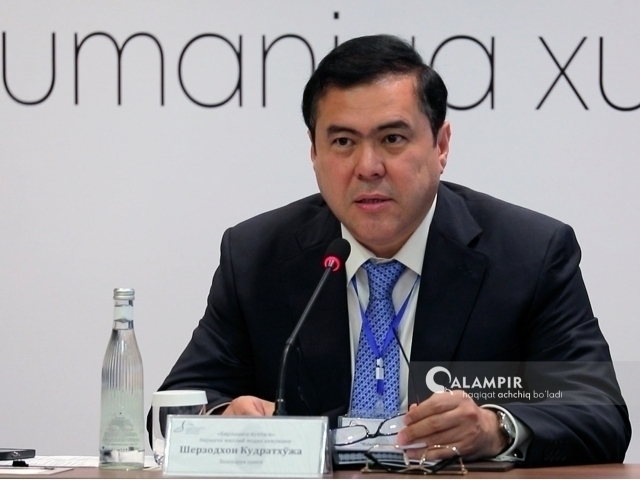
Йигитлар, қизлар, шу Россияга борманглар, у ерда сизларни уришади, тепишади, ҳақоратлашади. Россияда сизни қадрлашмайди, аксинча, оёқости қилишади. Ваҳоланки, ўзининг халқи қилмайдиган энг оғир ишни сизлар қиляпсизлар, афсуски, эвазига шундай “мукофот” оляпсизлар! Бу гапларни Ўзбекистон Журналистика ва оммавий коммуникациялар университети ректори Шерзодхон Қудратхўжа Facebook’даги саҳифасида ёзиб қолдирди.
Ректор пости остига шу кунларда Москвада мигрантларга нисбатан ўтказилаётган рейд тадбирлари, куч ишлатар тузилмаларнинг меҳнат муҳожирларига қарши қўпол хатти-ҳаракатлари акс этган видеони илова қилиб, аҳолиси йилига қарийб 1 миллионга ортаётган Ўзбекистон ишчи кучини бошқа мамлакатларга йўналтиришга мажбурлиги, аммо, шундай бўлса-да, Россияга бориш ўрнига бошқа йўлни танлашни тавсия қилган.
“Ўзбекистонда бир йилда бир миллионга яқин одам туғиляпти. Албатта, Ўзбекистон иқтисодиётига шунча одамни мунтазам иш билан таъминлаш, табиийки, қийин. Бундай муаммо бошқа ривожланаётган мамлакатларда ҳам мавжуд. Кўп инсон туғилар экан, катта миқдордаги ишчи кучини бошқа давлатларга экспорт қилиши ҳам табиий жараён. Лекин мен ёшларимизга айтмоқчиманки, йигитлар, қизлар, шу Россияга борманглар, у ерда сизларни уришади, тепишади, ҳақоратлашади. Россияда сизни қадрлашмайди, аксинча, оёқости қилишади. Ваҳоланки, ўзининг халқи қилмайдиган энг оғир ишни сизлар қиляпсизлар, афсуски, эвазига шундай “мукофот” оляпсизлар!
Укажонлар, дўстлар, ўқинглар, тил билинглар, яхши ҳунар ўрганинглар, сизларни Олмония, Бирлашган Араб Амирликлари, Япония, Жанубий Корея каби ривожланган мамлакатлар кутяпти!” дейди Қудратхўжа.
Унинг билдиришича, одатда, мактабда ёмон ўқиган, бирон касб-ҳунар ўрганмаганлар Россияга бориб, энг оғир мажбуриятларда, энг оғир вазифада ишлашга тайёр бўлади. Лекин буни шундоқ ҳам ўзининг меҳнат бозорида ишчи кучи етишмаётган ёки уруш ҳаракатларини олиб бораётган давлатнинг зодагон-амалдорлар қатлами тушунмайди.
“Россия олигархлари ўз бойлигини мамлакатдан осонликча олиб чиқиб кетаётган бир пайтда, бизнинг қоракўзлар оғир ва машаққатли меҳнати эвазига бу пулни ишлаб топишяпти. Лекин уларга бунинг фарқи йўқ!
Улар қўллаётган ҳақоратли сўзларга эътибор беринг: “обезьяна”, “с**ка”, “баран” деди, “черн***опый”, “чурка” деяпти... Бундай ҳақоратларни эшитиш жуда оғир. Жуда!”, дейди у.
Қудратхўжа қатор мисолларни келтираркан, ушбу муомала ҳамма мигрантларга нисбатан қўлланилмаслиги, масалан чечен ва доғистонликларга бундай муносабат қилиб бўлмаслигини алоҳида урғулаган.
“Тўғри, одам ҳаёти азиз ва биз фақат буни қорин ўлчови, ўша қора қозонимиз қайнаса бўлди, деб шундай ҳақоратларга чидаймиз. Бироқ, бу нотўғри. 1914-1916-йиллардаги илк норозилик ҳаракатлари натижасида ҳам Чор Россияси томонидан ўзбеклар шундай таҳқирланганди!
Бугун дунё жуда тез глобаллашмоқда. Аввало, мен, бироз уят бўлса ҳам, халқимиздан туғилиш сонини бироз меъёрлаш зарурлигини сўраган бўлардим. Бунинг ўрнига фарзандларимиз таълими, тарбияси ва келажагига кўпроқ эътибор беришимиз кераклигини айтаман. Гап сонида эмас, гап сифатида!
Бир муддат илгари Россияга бориб ишлайдиганларнинг баъзиларини танқид қилиб гапирганимда, мени ўзимга қайта тошлар отилганди. Буни ўзимиздан чиққан бир икки оқпадар ҳаромилар ва ватанфурушлар ташкил қилишди, “майли” деб чидадим тишимни тишимга қўйиб. Ваҳоланки, ўшанда мен ўзбекларимиз азобига ич-ичимдан куюнганимдан, ачинганимдан гапиргандим. Шундай ўғлонларимиз ўзга юртда, ўзга миллат қўлида хор бўлса-ю, биз ҳеч нима қилолмасак... Аттанг. Улар шу ўлкаларга бормасинлар, ўзимизнинг қуёшли, меҳмондўст, бағрикенг юртимизда кўкрак кериб юришса бўлмасмиди?” дейди ректор.
Қудратхўжанинг айтишича, ҳозир қишлоқ хўжалиги ишлари ва бошқа оғир юмушларни бажариш учун Ўзбекистонга Ҳиндистондан, Бангладешдан ишчи кучи келяпти. Чунки ўзбекистонлик эркакларнинг ўзи бу ишларни қилишни хоҳламаяпти, ҳатто, беш-олти миллион сўмлик маош эвазига ҳам!
“Бу гапларим фақат ўзбекларга эмас, балки қозоқ, қирғиз, тожик биродарларимизга ҳам тегишли. Уруссия куч ишлатар тизими ходимларининг ўзини бундай ваҳшийларча тутиши менга аниқ: уларни ҳарбий мажбурият сифатида “махсус ҳарбий операция”га жалб қилиш кучайган, урушга боришни истамаганлар ишни ташлаб кетишяпти, шу фонда улар меҳнат мигрантларига осилишяпти. Уруссия фуқаролигини олмоқчи бўлган даъвогарларга талаб битта – империя триколор икки бошли бургут байроғи учун жон бермоқдир. Айнан шунинг учун улар дарғазаблар!” дейди у.
Ректор сўзида давом этаркан, Иккинчи жаҳон урушида эришилган ғалабада ҳам ўзбекларнинг салмоқли ҳиссаси борлиги, ўзбек пахтаси, ўзбек нони, ўзбек олтини ва урани бутун СССРни боққани, ўзбеклар 14 миллат боласига бағрини очгани ва уларнинг аксарияти руслар эканини эслатган.
Бугунги Россия эса “нацизм” баҳонасида Украинага уруш очган, аммо Россия зобитларининг қилаётган ишлари нацизм ва шовинизмдан бошқа нарса эмас.
Маълумот учун, Ташқи меҳнат миграция агентлигининг жорий йил бошида берган маълумотларига ишонилса, 1,3 миллиондан ортиқ ўзбекистонлик хорижда меҳнат мигранти мақомини олган ва уларнинг 600 мингдан ортиғи Россияда. Бироқ норасмий маълумотларда Ўзбекистоннинг рўзғор дардида хорижга чиқиб кетган фуқаролари 3 миллиондан ортиқлиги, Россияда эса 1,5 миллиондан кўп ўзбекистонлик ишлаётгани келтирилган.
Россияда эса охирги йилларда меҳнат муҳожирларига, айниқса, Марказий Осиёдан келган мигрантларга нисбатан қўпол муносабат урчиб бормоқда. Мамлакатда мигрантларга нисбатан чекловлар ҳам кундан-кунга кўпаймоқда. Хусусан, жорий йилнинг 30 июнь кунидан бошлаб Россия билан визасиз режимда бўлган мамлакат фуқаролари Россияга киришидан олдин электрон ариза қолдириши шарт этиб белгиланди. Буни амалга оширмаганлар мамлакат ҳудудига киролмайди.

Live
AllJizzaxda 10 yoshli qiz zo'rlandi
06 October