“Раддом”дан яна ўлик чиқди
Crime
−
13 July 2025 21715 6 minutes
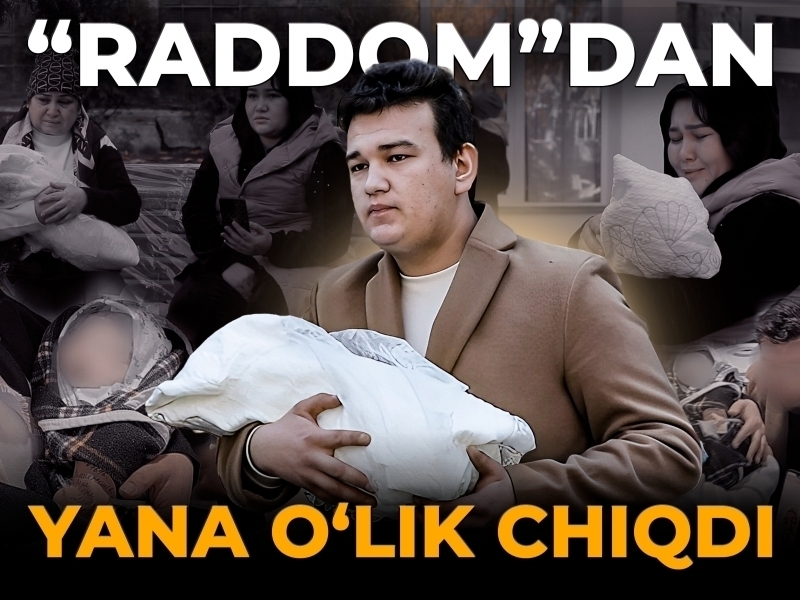
Жорий йилнинг 20 июнь куни Тошкент тиббиёт академиясининг кўп тармоқли клиникаси туғруқ мажмуасига, халқ тили билан айтганда, “янги ТошМИ”га ўз оёқлари билан борган 30 ёшли Гулнора Мираминова 5 июль куни вафот этди ва унинг ўлиги яқинларига топширилди. QALAMPIR.UZ ҳолатни ўрганди.
Марҳуманинг қайнонаси Зарифа Ваҳобовага кўра, 27 июнь куни келинининг кўзи ёриши керак бўлган, бироқ тўлғоқ 20 июнда бошланган.
“Олиб борсак, тайёр туғишга, дейишди. Киргиздик, кириб кетди. Бир соатларга борди-бормади. Ярим соатдан ошгандан кейин келиним яхши туққандирки, ўзи телефон қилиб, “Ойижон, набирали бўлдингиз”, деди Гулнора келиним. Энди у ерда биз, хўжайиним турибдилар, ўғлим, қизим, набирам, ҳаммамиз шунақа хурсанд бўлдик. “Иккинчисига яна ўғил берди Аллоҳим, деб Аллоҳга шукурлар қилиб хурсанд бўлдик”, дейди онахон.
Бироқ уч кунлик хурсандчилик тўртинчи кунга борганда пучга чиқа бошлади. 20 июнь куни кўзи ёриган Гулнора Мираминовага 24 июнь куни рухсат беришлари керак бўлган, бироқ бирдан унда иситма чиқа бошлайди. Аёлга икки кун иситма чиқмай турса, учинчи кун жавоб беришларини айтишган. Бироқ учинчи кунга келганда яна ҳарорат юқорилаган.
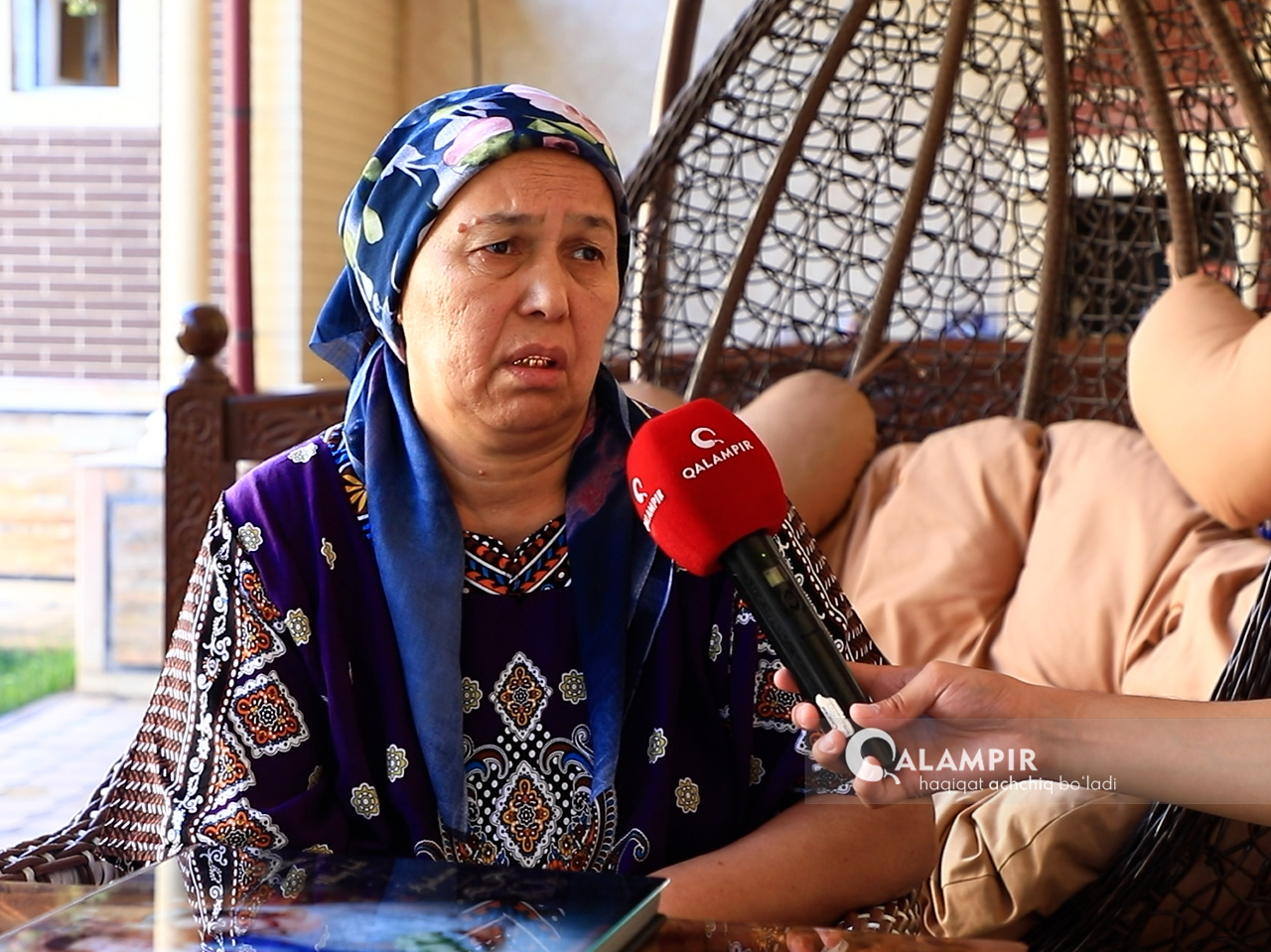
“Иситмаси 38, 39, 40 гача чиқди. Кейин у ердаги докторлар “Буни ичида нималардир қолиб кетган, тозалаймиз. Икки кун иситмаси чиқмай турса, учинчи куни уйига жавоб берамиз”, дейишди. Икки кун иситмаси чиқмай туради, учинчи куни пақиллатиб яна иситмаси чиқди”, дейди Зарифа Ваҳобова.
Шунингдек, марҳуманинг оила аъзолари Гулнора Мираминовага наркотик дорилар ишлатилганини айтди.
“Ўша пайтда ўлиб бўлган экан бечора келиним, бизга эса дорилар сўраб, ўғлим бечора дорихонага борса, “Нимага бу дориларни оляпсизлар?” дебди. “Бу наркоманларнинг дорисини нимага оляпсиз?” деди. “Кимга ўзи?” деб сўрабди. “Вой, мана шунақа, хотиним туққан эди, мана шунақа реанимацияга тушиб қолган эди”, деди. Йўқ, бориб ўғлим айтибди: “Вой, бу мана шунақа деяпти, ака, наркоманларники экан. Гап пулида эмас, ҳозир олиб бориб бераман”. Ўғлим ўзига тўқ бола, Худога шукур. “Олиб бориб бераман”, деса, “Йўқ, биз бир паст миясини унақа қилиб туришимиз керак, ухлатиб қўймасак бўлмайди миясини, миясини ўчириб туриш керак”, дейишган. Кейин, майли, кейин яна унақа бўлиб қолмасин, деб уни ҳам олиб бориб берган ўғлим”, дейди онахон.
Марҳуманинг қайнотасига кўра, доялар Гулнора Мираминовага суюнчи пули кам берилганини айтиб, шикоят қилган.
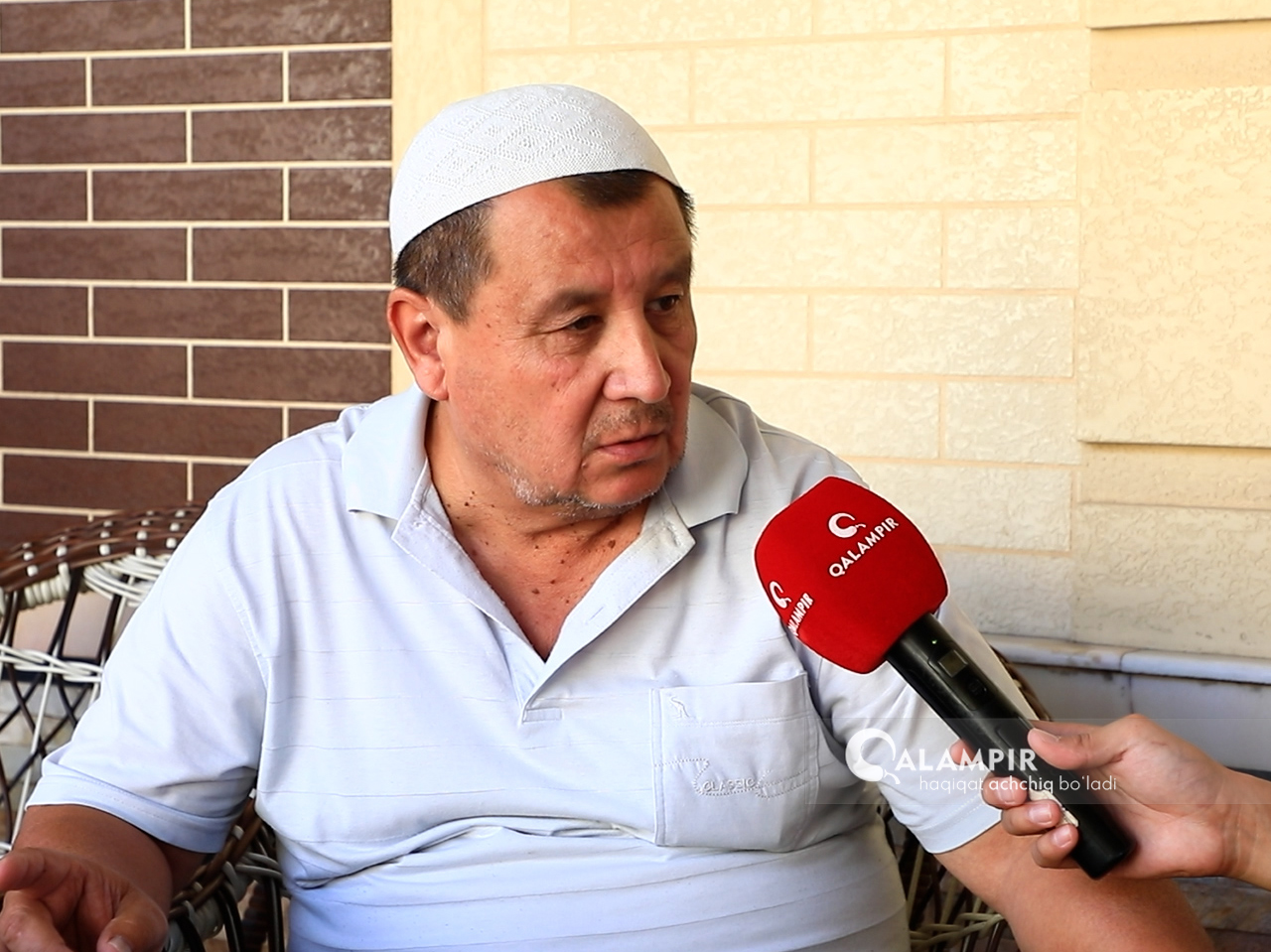
“Туққан куни соат 2:30 да олиб борган бўлса, соат 3:00 лардан ошганда туққан. Қайнонаси дарров ўша туғдирган аёлга, ёрдамчисига суюнчи пули берибди. Лекин туғдирган аёл келинимга кириб айтибди: “Қайнонанг менга кам пул берди”, дебди. “Унга кўп берди, менга кам”. Ана у ёрдамчиси ҳам: “Менга ҳам кам берди”, дебди. Давлатдан пул оляптими? Ойлик оляптими? Кимдир берар. Умуман бермаса, ўрнидан туриб, уриб кетар эканми келинимни? Шунақа бўладими? “Қайнонанг менга пул бермади, суюнчи пулини”, деб шунга келадими?” дейди қайнота.
Ҳолатга бир неча кундан кўпроқ вақт ўтган бўлишига қарамасдан, ҳамон марҳуманинг яқинларига ўлим сабаби очиқланмаган.
“Диагноз қўйиб айтмади. “Мана бу нарсадан аниқ ўлибди”, деганини айтгани йўқ. Лекин ўша қоғозини бугун ўғлим бориб сўраса, айтибдики: “Йўқ, бу фақат докторларнинг ўзига берилади, сизларга берилмайди”. Нимага ҳаққимиз йўқ? Биз нимадан ўлганини билишимиз керакми? Тўғрими? Йўқ, шу пайтгача ҳали “роддом”да ҳам, униси ҳам, буниси ҳам “мана бу касалдан ўлди”, дегани йўқ”, демоқда улар.
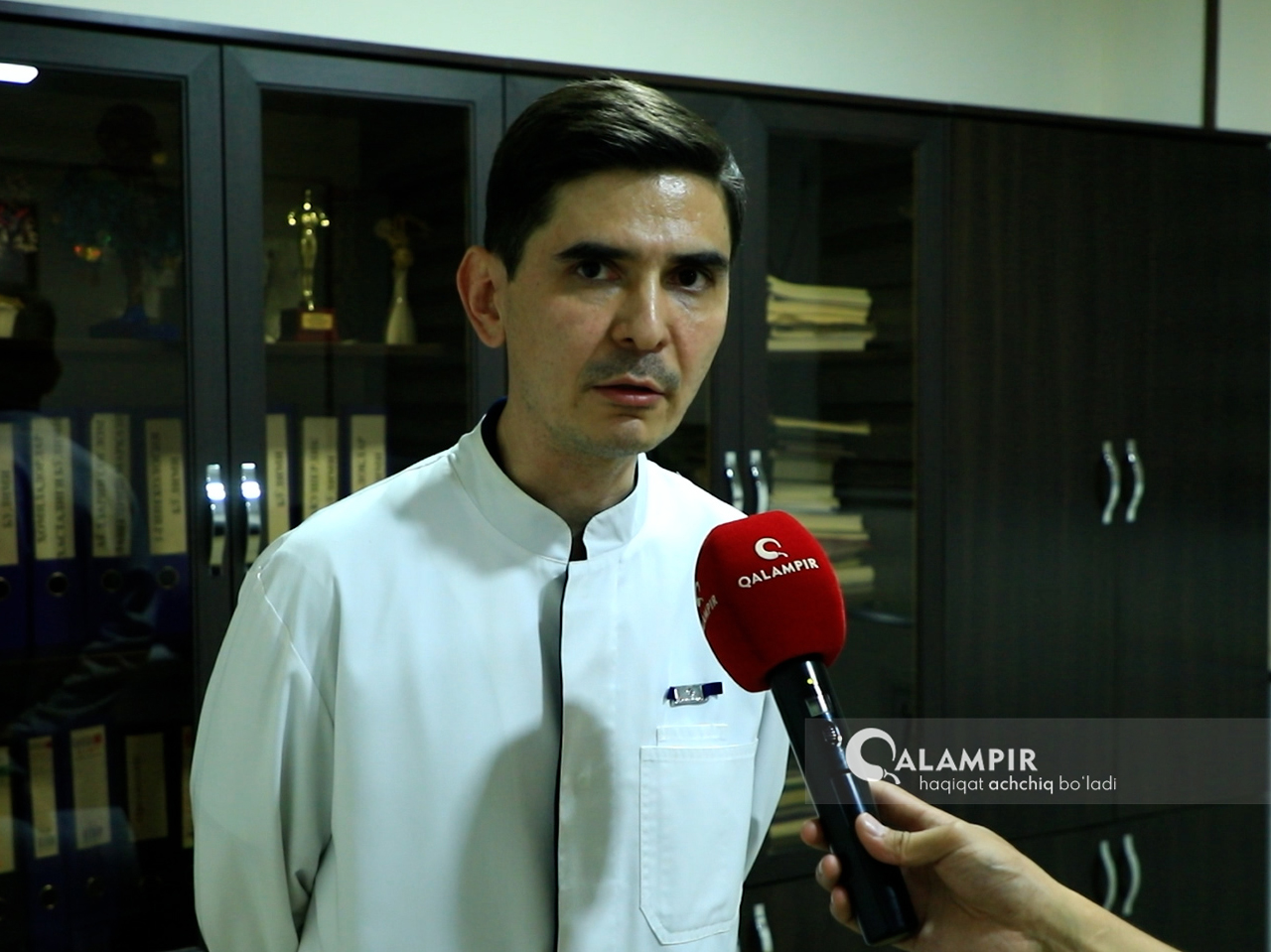
Ҳолат юзасидан маълумот олиш мақсадида Тошкент тиббиёт академияси Кўп тармоқли клиникасига борганимизда Гулнора Мираминованинг ўлими билан боғлиқ бўлган барча шифокорлар прокуратурага чақирилгани айтилди ва орадан икки соатга яқин вақт ўтгандан сўнг Туғруқ масалалари бўйича бош шифокор муовини Азиз Умаров биз билан учрашиб, марҳума ҳақида маълумот берди.
Шифокорга кўра, ҳақиқатдан ҳам марҳума Мираминова Гулнора 20 июнь куни Тошкент тиббиёт академиясининг Кўп тармоқли клиникасининг туғруқ комплексига тўлғоқ вақти келган. Ўғил фарзанд, 4 кг 200 граммлик чақалоқ дунёга келган. Туғруқ пайтида ҳеч қандай патологик ўзгаришлар, яъни қон кетиш, йиртилиш ёки болада ҳеч қандай муаммо бўлмаган.
“Ҳамма муаммонинг бошланиши эртаси куни иситма чиқишидан бошлаган. Демак, беморда иситма чиқиб, УЗИ қилинганда бачадонда қон йиғилиши, яъни “гематометра” ташхиси қўйилган ва 23-санада тозаланган. Шу билан бирга, антибактериал даво ҳам бошланган. “Эндометрит” ва “гематометра” ташхислари қўйилгандан кейин керакли антибактериал даво, бачадонни қисқартирувчи дорилар – ҳаммаси бошланган. Шунга қарамасдан, 26-санада бачадонда яна қон йиғилиб қолиш аломатлари, яъни УЗИда кўрингандан кейин, албатта, яна қайта тозалашган. Бир неча кундан кейин беморнинг қов соҳасида, оёғида яралар пайдо бўлган. Шу сабабли бу беморни кожвенеролог, йирингли жарроҳ, инфексионист кўрган ва “токсикодермия” ҳамда “сурункали пиодермия” ташхиси қўйилган ва тегишли даво чоралари бошланган.
29-санада шундай бўлган бўлса, 30-сана ва кейинги ойнинг 1-санасидан кейин беморда иситма бўлмаган. Бемор гинекология бўлимида даволанган ва беморда 4-санада соат 12:00 да клиник ўлим белгилари пайдо бўлган. Реанимацион чора-тадбирлардан кейин юрак-қон томир тизими фаолияти қайта тикланган ва бемор реанимация бўлимида назоратда бўлган. 5-санада қайта юрак-қон томир тизими фаолияти тўхтаган, реанимацион чоралар қилинишига қарамасдан, беморда клиник ўлим қайд этилган”, деди шифокор.
Улар марҳуманинг ўлимига асосий сабаб сифатида “ўпка артериясининг тромбоэмболияси” ташхисини қўйган.
“Демак, бу касаллик шундай бир касалликки, буни олдиндан кўра билиш жуда қийин. Бу содир бўлгандан кейин биз ҳам қаерда тромб бор экан, деб дуплекс текширувлари қилиб, мутахассисларни олиб келиб кўрдик. Демак, қўл веналарида 9 сантиметрлик тромблар ҳосил бўлган. Бу тромбнинг энг ёмон нарсаси – у кўчса, бошқа органларга бориб тиқилади. Бизнинг ҳолатимизда, демак, шу кўчиб, яъни юрган аёл бу. Дейликки, бир тўшакда ётган, бошқа нарса эмас, аёл соппа-соғлом, яъни соғлом деганда, актив, муомалага киришадиган, бемалол гапирадиган, ақли-ҳуши жойида, яъни боласига қараб юрган аёл бўлган. Демак, бу кўчгандан кейин бирданига ўпкасига, ўпканинг йирик томирига тиқилгандан кейин шунақа ҳолат бўлади. Одам йиқилиб, юрак ва нафас тизими бузилади”, деди Азиз Умаров.
Маълум қилинишича, энг асосий хулосани берадиган бу патологоанатомик, яъни гистологик текширув. Оналар ва болалар ўлимининг ҳар бири гистологик, патологоанатомик текширувдан ўтиши шарт. Буни жавоби кейинги ҳафта чиқади.
“Мурдани очгандан кейин гистология қилишади, бактериологик текширувлар қилишади, ундан слайтлар тайёрлаб микроскопда кўришади. Ўшандан кейингина аниқ сабаби чиқади. Прокуратура ҳам, докторлар ҳам – ҳаммаси шунга қараб ўз ишини қилади, хулосасини ҳам беради”, деди у.

Live
All