Путин Қобилжоннинг қотилини жазолашга ваъда берди
Review
−
23 December 2025 13478 4 minutes
Тожикистонлик мигрант боласи Қобилжон Алиевнинг ўлими ҳақида ҳали кўп гаплашамиз. Унутмаймиз, унуттирмаймиз. Бу совет даврида зиёлилар отилгани, бойлар қулоқ қилингани, кейинроқ, шеър ўқигани, динни англагани, тузумдан норози бўлганлар сазойи қилингани, ўзи етмагандек, бошига минг кулфатлар солинганидан кам воқеа эмас. Фақат даврига, замонасига мос фожиа. У даврда зиёлилар хор қилинган бўлса, бу даврда навбат антимигрант сиёсат оқибатларига келди.
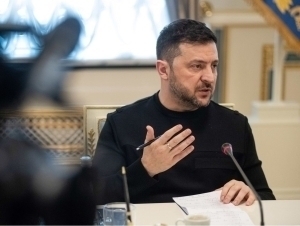
Қобилжон Алиевнинг вафоти ортидан мум тишлаб келаётган Москвадан садо чиқди. Россия Президенти Владимир Путин 22 декабрь куни Санкт-Петербургда ўтган Мустақил давлатлар ҳамдўстлиги давлат раҳбарлари кенгашининг анъанавий йиғилиши доирасида Тожикистон Президенти Имомали Раҳмон билан учрашди ва суҳбат аввалида Москва вилояти Одинцово шаҳри, Горки-2 туманидаги мактабда рус миллатига мансуб 15 ёшли мактаб ўқувчиси шу мактабнинг 4-синфида таҳсил олаётган 10 яшар тожик боласи ваҳшийларча ўлдириши ортидан Тожикистон раҳбари ва марҳум Қобилжон Алиевнинг оиласига таъзия билдирди. У Қобилжоннинг ўлдирилишини террористик ҳужум, деб атаган.
Бўлиб ўтган воқеа ортидан Тожикистон раҳбарияти, хусусан, мамлакатни 31 йилдан буён бошқариб келаётган Президент Имомали Раҳмон таъзия билдирмаганди. Душанбедан бирор расмий марҳум боланинг оила аъзолари билан учрашиб, ҳамдардлик билдиргани ҳақида ҳам маълумотлар мавжуд эмас. Тожикистон раҳбари ҳам Қобилжон Алиевнинг ўлими ҳақида Путин билан учрашувда сўз очди.
Айни вақтда Президентлар ўртасида кечган мулоқот ижтимоий тармоқларда катта баҳс ва мунозараларни келтириб чиқармоқда.
Президентлар ушбу суҳбатда воқеанинг сабабларига тўхталмагани, айниқса, қотилликни содир этган 15 яшар боланинг бу воқеага пухта тайёргарлик кўргани, аслида унинг ўлжаси математика ўқитувчиси бўлгани, мактабларда назоратнинг йўқлиги, хавфсизлик қоидаларига риоя қилинмаслиги, тожикистонлик ўқувчининг ўрнида исталган бола, ҳатто, русларнинг ҳам боласи бўлиши мумкинлиги ва қурбонлар анча кўп бўлиши эҳтимоли, қолаверса, ушбу воқеанинг, қотилликнинг айрим россияликлар томонидан қўллаб-қувватланиши мамлакатда миллатчилик билан боғлиқ вазият қанчалик оғир тус олгани муҳокама қилинмагани кўплаб саволларни келтириб чиқармоқда.
Ижтимоий тармоқ фойдаланувчиларининг фикрича, дунёни ларзага келтирадиган ушбу оғир жиноятга икки давлат раҳбарлари ўта совуққонлик билан муносабат билдирган. Ҳолбуки, Тожикистон томони эълон қилган бирламчи баёнотда қотилликнинг миллатчилик руҳи билан содир этилгани алоҳида урғуланган эди. Шу маънода, давлат раҳбарлари ўртасида келгусида миллатлар ўртасидаги тотувликни ривожлантириш, Россияда меҳнат фаолияти билан шуғулланаётган 1 миллиондан ортиқ тожиклар ва уларнинг оилалари, болаларининг ҳуқуқлари ва хавфсизлиги, энг камида яшаш, ҳаётда қолиш ҳуқуқларини таъминлаш масаласи муҳокама қилинмаган. Нега айнан яшаш ҳуқуқи, деган гапни ишлатдим? Эътибор қилинг, беозор, 10 яшар, ҳали оқ-қорани танишга улгурмаган тожик боласи фақат тожик бўлгани учунгина қотиллик қурбони бўлиши миллатчилик руҳидан келиб чиқиб, ҳатто яшашдан маҳрум қилинаётганини англатмайдими?
Англатади, албатта. Хўш, бунга ким айбдор? Жиноий айбдор битта-яримта бўлиши мумкин, аммо маънавий айбдорлар жуда кўп ва улар муҳим фигуралар. Улар онг остига сиздирган антимигрант сиёсат, бўлиб ташла, эгалла, қўшиб ол ғоялари, империализм сафсатаси, замонавий дунёда зимдан қулчиликка қаратилган тизим, собиқ иттифоқни тиклаш орзуси, Қозоғистон, Қирғизистон, Тожикистон, Туркманистон, Ўзбекистон каби давлатлар бўлмаган, уларнинг ерлари совет томонидан инъом деган сафсаталари – буларнинг барчаси тоғорани тўлдирган, тўлдираётган томчилар.
Қобилжон воқеаси аслида унутилмаслиги керак. Айниқса, миллионлаб одамлари Россияда меҳнат қилаётган Марказий Осиё халқлари томонидан унутилмаслиги шарт. 10 яшар Қобилжоннинг ўлимидан бир ҳафта ўтиб, тармоқларда аллақачон бу мавзу муҳокамаси тугади. Одамлар яна бир қотилликни, худди, YouTube’да навбатдаги даҳшатли фильмни томоша қилгандек кўрди. Бети қотди, кўзида қон акси пайдо бўлди. Энди улар учун бундан даҳшатлироғигина ҳайратланарли. Ҳолбуки, Қобилжон Россияда даҳшатли тарзда ўлдирилган биринчи тожик боласи эмас. Ўтган 22 йил ичида Россияда 5 яшар Далер, 5 яшар Ҳувайдо, 5 ойлик Умарали, 9 ойлик Хуршида, 5 ёшли
Нилуфар фожиавий ўлим топган. Нимадир ўзгардими? Йўқ! Қобилжон уларнинг навбатдагиси, холос.
Марҳум 18 декабрь куни Тожикистонга олиб келинди ва Шаҳринав туманидаги қабристонга, отасининг қабри ёнига дафн этилди. Россия Тергов қўмитаси Россия Жиноят кодексининг 105-моддаси (қотиллик) ва Россия Жиноят кодексининг 30-моддаси 3-қисми, 105-моддаси 2-қисми (икки ёки ундан ортиқ одамни ўлдиришга уриниш) бўйича жиноий иш қўзғатди. Қотилликни содир этган Тимофей 18 декабрь – Қобилжон Алиев қарор ерга қўйилган кунда икки ой муддатга қамоққа олинди.

Live
All23 October