“Олиб-сотар психологлар” энди чекинадими?
Review
−
06 February 2025 10486 5 minutes
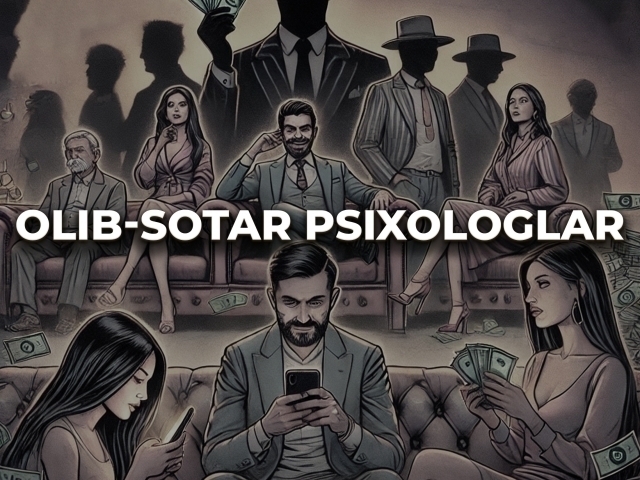
Дунёда энг осон иш – маслаҳат бериш деган гап бор. Ижтимоий тармоқ платформалари мана шундай “маслаҳатгўйлар” билан тўла. Ҳозир ҳамма ақлли, ҳамма доно! Доноларнинг доноси эса ижтимоий тармоқларда профиль очиб, бир неча юз долларлик деб “бир тийинга қиммат” курслари ва консультациясини сотмоқда. Бунинг оқибатида депрессияга тушиб қолган инсонлар ва бузилиб кетган оилалар ҳам бор. Шунинг учун ҳам психологик хизмат кўрсатиш соҳасини тартибга келтириш эҳтиёжи пайдо бўлди. Ўтган йилнинг 11 ноябрида қабул қилинган “Аҳолига психологик ёрдам кўрсатиш тўғрисида”ги қонун бугун, 6 февралдан кучга кирди. Ушбу қонун Қонунчилик палатаси томонидан 2024 йил 23 июлда қабул қилиниб, Сенат томонидан 20 сентябрда маъқулланганди. Қонун аҳолига психологик ёрдам кўрсатиш соҳасидаги муносабатларни тартибга солади. Унга кўра, психологик ёрдам давлат органларида ёки бошқа ташкилотларда ишловчи ёхуд хусусий тартибда фаолият олиб борувчи мутахассислар томонидан бепул ёки пулли асосда кўрсатилади. Пуллик асосдаги психологик ёрдам ёзма шаклдаги шартномага асосан амалга оширилади. Шунингдек, қонунда:
- психологик ёрдам кўрсатиш фаолияти билан шуғулланувчилар учун олий маълумотга ва малака сертификатига эга бўлиш талаблари;
- психологларнинг ҳуқуқ ва мажбуриятлари (шахсга зарур ахборотни тақдим этиш, унга нисбатан ҳурмат билан муносабатда бўлиш, касб сирини сақлаш, психологик ёрдамнинг рухсат этилган усул ва воситаларидан фойдаланиш кабилар);
- Соғлиқни сақлаш вазирлиги томонидан психологлар учун мажбурий бўлган Психологик ёрдам кўрсатиш стандартлари тасдиқланиши;
- психологик ёрдам билан юридик шахс ташкил қилиб ёки якка тартибдаги тадбиркор сифатида рўйхатдан ўтиб шуғулланиш мумкинлиги;
- психологик ёрдам кўрсатиш ҳуқуқига эга бўлмаган шахслар томонидан ўз хизматларини реклама қилишда ёки фирма номида “психолог” ёки унга ўхшаш бошқа сўзлардан фойдаланишга йўл қўйилмаслиги кабилар белгиланган.
Мазкур қонуннинг 9-моддасига кўра, қуйидаги шахсларга бепул психологик ёрдам кўрсатилади ва молиялаштириш Давлат бюджети ҳисобидан амалга оширилади:
- фавқулодда ҳолатдан ва фавқулодда вазиятлардан жабрланган шахсларга, уларнинг оила аъзоларига, шунингдек, фавқулодда ҳолат ва фавқулодда вазиятларнинг оқибатларини бартараф этишда иштирок этган шахсларга;
- террорчилик ҳаракати натижасида жабрланган шахсларга;
- ижтимоий ҳимоя ягона реестрига киритилган кам таъминланган оилаларга;
- ўзгалар парваришига муҳтож бўлган ёлғиз кексалар ва ногиронлиги бўлган шахсларга;
- ижтимоий ҳимояга муҳтож болаларга;
- тазйиқ ва зўравонликдан жабрланган шахсларга;
- давлат мактабгача таълим ташкилотларида ва умумий ўрта таълим муассасаларида таълим олувчи шахсларга;
- жазони ижро этиш муассасаларидан озод қилинган шахсларга;
- одам савдосидан жабрланган шахсларга.
Соҳадаги нодавлат ташкилотлар ички ҳужжатларига мувофиқ бепул психологик ёрдам кўрсатиши мумкин.
Тухумни қайси томонидан чақамиз?
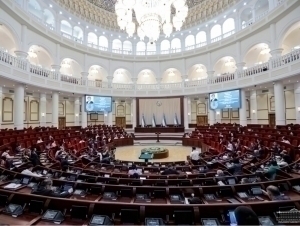
Жонатан Свифтнинг “Гулливернинг саёҳатлари” асарида икки мамлакат аҳли тухумни қайси томонидан чақиш масаласида келиша олмаганидан уруш бошланиб кетгани ёдингиздами? Бугун сотилаётган баъзи курслар ҳам “тухумни қайси томондан чақиш” ҳақида дейиш мумкин. Агар курслар ошпазлик ҳақида бўлса, сотувчининг нўноқлиги унчалик зарар қилмас. Аммо у инсон психологияси ҳақида бўлса, бунга енгил қараб бўлмайди. Чунки киши руҳиятига таъсир ўтказишга қаратилган ҳар қандай ҳаракат оғир оқибатларга олиб келиши мумкин. Бунга қарамай, ижтимоий тармоқларда “олиб-сотар психологлар” бозори чаққон. Шундай курсларни тугатган “психолог”нинг курсида ўқиб, бошқаларга ақл ўргатишга даъво қилаётган, ўзи ҳам курс сотаётганлар талайгина. Психолог сўзи билан қидирув берсангиз, борми, эҳҳээ… Ҳар бирининг профилида “курс”, “шогирдларим”, “ўзингни англа”, “марафон” ва ҳатто “танловлар” сарлавҳали ҳикоялари жамланган. Ўзини ҳурмат қиладиган мутахассислар танлов ўтказишга, мукофотлар беришга муҳтожми? Биз истеъмолчилар уларнинг тегирмонига сув қуйиб турамиз: курсларини сотиб оламиз, кўришлар сонини оширамиз, марафонларида қатнашамиз. Келадиган фойдага эса улар чет элларга саёҳати, янги уй ва машиналарини кўпайтириб, “биз учун ҳикоялар жамланмасини яратишмоқда”. Олий Мажлис Қонунчилик палатаси депутати Шаҳноза Холмахаматова ҳам қонун лойиҳаси ҳақида хабар берар экан, узоқ ва қизғин тортишувлар, мунозаралар ва муҳокамалар бўлиб ўтганини таъкидлаган.
“Жойларда ўтказилаётган учрашув ва мулоқотларда 2 ёки 3 ойлик шубҳали курсларни тамомлаган шахслар ўзларини “психолог” деб таништириб, одамларнинг қимматли вақти ва маблағини “ўғирлаётгани”, бу масалани қонун билан тартибга солиш заруратига оид масала тез-тез кўтарилиб турганди. Кўп миллионли аудиторияни ўзида жамлаётган ижтимоий тармоқларни ҳам кузатдик: ҳақиқатан ҳам, 5-6 та рисолани варақлаб чиқиб, одамларнинг ишончига кириб, уларнинг руҳий, маънавий дунёсига дахл қилаётган “психолог”лар кўпайганини кўриб турибмиз”, деган у Telegram каналига жойлаган постида.
“Ўзиникида жинчироқ ёқмаган, бировникида шамчироқ ёқар” деганларидек, ўзининг шахсий ҳаётида турғунлик, карьерасида муваффақият ва таълимида ишонч бўлмаган шахслар бошқаларга қандай яшашни ҳам ўргатмоқда. Бугундан кучга кирган қонунга асосан, Маъмурий жавобгарлик тўғрисидаги кодексга қўшимча ва ўзгартиришлар ҳам киритилган. Кодекснинг 593-моддасига кўра:
“Психологик ёрдамни бундай ҳуқуққа эга бўлмаган шахс томонидан кўрсатиш ёхуд аҳолига психологик ёрдам кўрсатиш тўғрисидаги қонунчиликда белгиланган чекловларга риоя этмаслик, башарти жиноят аломатлари, шунингдек, ушбу кодексда назарда тутилган бошқа ҳуқуқбузарликлар аломатлари мавжуд бўлмаса, фуқароларга базавий ҳисоблаш миқдорининг беш бараваридан ўн бараваригача, мансабдор шахсларга эса – ўн бараваридан ўн беш бараваригача миқдорда жарима солишга сабаб бўлади. Худди шундай ҳуқуқбузарлик маъмурий жазо қўлланилганидан кейин бир йил давомида такроран содир этилган бўлса – фуқароларга базавий ҳисоблаш миқдорининг ўн бараваридан йигирма бараваригача, мансабдор шахсларга эса ўн беш бараваридан йигирма бараваригача миқдорда жарима солишга сабаб бўлади”.
Дунё миқёсида психологлар фаолиятини қонун билан тартибга солиш ўтган асрлардаёқ ҳал қилинган. Деярли барча мамлакатларда психологик хизмат кўрсатувчи юридик ва хусусий фаолият олиб борувчилар даромад ва қўшимча қиймат солиғи каби солиқларни тўлайди. Ўзбошимчалик билан “курс пулини картага ташлатиб оладиганлар”, “солиқ чекларисиз миллион-миллионга вебинар ва тренинглар уюштирадиганлар” энг кўп бизнинг мамлакатда учраса керак. Психологлар фаолияти қонун билан тартибга солинаётган бўлса-да, уларнинг хизматларидан фойдаланувчилар ҳушёр ва руҳияти билан боғлиқ масалаларда масъулиятлироқ бўлишлари лозим. Психолог хизматидан фойдаланишга қарор қилсангиз, унинг касбий портфолиосини кўздан кечириш ва ҳужжатлари билан танишишни унутманг.
Иқбол Эргашова

Live
All26 October
26 October