Улкан фожиаларнинг якуний қаҳрамонлари ҳаёти қандай тугаган?
Review
−
14 December 2024 18025 8 minutes
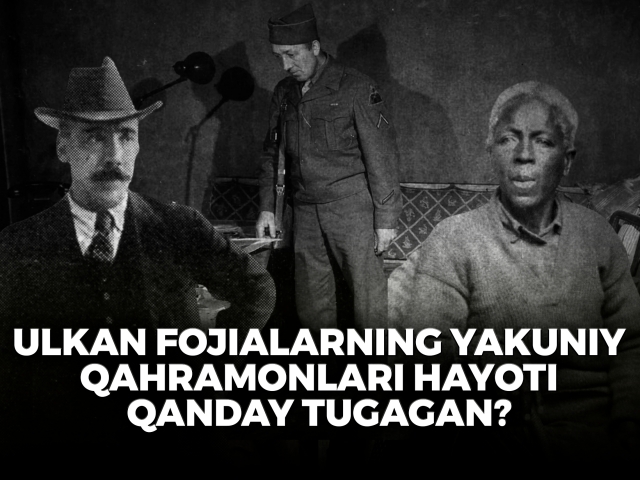
Тарих кўпинча биринчи одамларнинг исмларини сақлайди, лекин камдан-кам ҳолларда охирги одамлар тарихга киради. QALAMPIR.UZ тарихда исми сақланиб қолган ана шундай “охирги одамлар”нинг 5 нафари ҳақида сўз юритади.
“Титаник”ни тарк этган охирги одам
Чарльз Жокин 1912 йилнинг апрель ойида биринчи ва охирги сафарида “Титаник”нинг экипаж аъзоларидан бири эди. У Белфастдан Саутгемптонга етиб келганида кема бортида бўлган. Бош новвой сифатида Жокин ойига 12 фунт-стерлинг маош олган ва ўн уч нафар новвойхона ходимини бошқарган. Кема 14 апрель куни кечқурун соат 23:40 да айсберг билан тўқнашганда, Жокин хизматдан кетиб, дам олиб ётган эди. У кема айсбергга урилган вақтда зарбани ҳис қилган ва дарҳол ўрнидан турган. Юқори палубалардан офицерлар қутқарув қайиқларини сувга туширишга тайёрлаётгани хабар қилинган ва Жокин ўн уч новвойни қутқариш қайиқлари учун озиқ-овқат билан юборган.
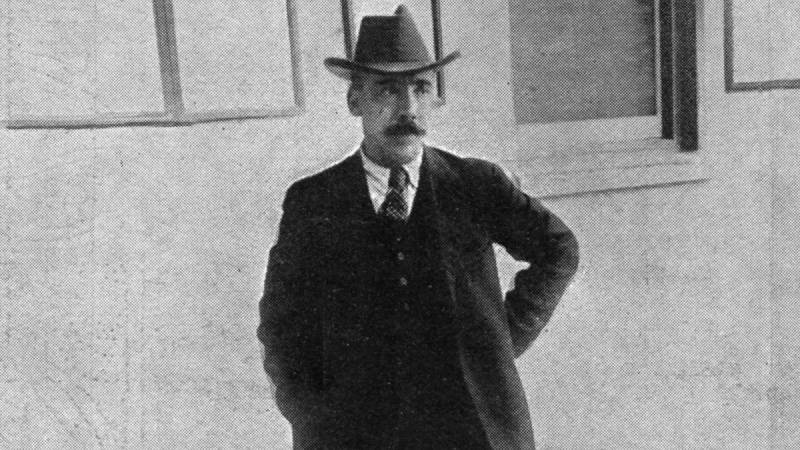
У 10-сонли қутқарув қайиғида бош офицер Генри Уайлдга қўшилган. Жокин стюардлар ва бошқа денгизчилар билан бирга аёллар ва болаларни қутқарув қайиғига олиб боришга ёрдам берди, бироқ бироз вақт ўтгач, палубадаги аёллар “Титаник” бортида ўзларини хавфсизроқ ҳис қилишини айтиб, қайиққа минмаган. Жокин эса кемага чиққан ва аёллар ҳамда болаларни қутқарув қайиғига мажбуран туширган. Гарчи у 10-сонли қутқарув қайиғи капитани этиб тайинланган бўлса-да, Чарльз бортга чиқмаган. У қутқарув қайиғини сувга туширгач, хонасига қайтиб спиртли ичимлик истеъмол қилган. Кейин у эски шифокор билан учрашиб, яна юқорига кўтарилган. Қайиқ палубасига қайтиб келганида, барча қайиқлар аллақачон ишга туширилган эди, шунинг учун у А палубасига тушди ва флотация мосламалари сифатида фойдаланиш учун элликка яқин стулларни сувга улоқтирган.
Ўзининг гувоҳлигига кўра, у тахминан икки соат давомида сувда бўлган ва оқибатда оёқлари шишиб кетган. Чарльз, шунингдек, ичган спиртли ичимлиги туфайли деярли совуқни ҳис қилмаганини сўзлаб берган. Шундай қилиб, у кемани тарк этган охирги одам сифатида тарихда қолган. Чарльз Жокин “Титаник” фожиасидан 41 йил ўтиб, 1956 йил 9 декабрда 78 ёшида вафот этган.
Биринчи жаҳон урушида ҳалок бўлган охирги одам
Биринчи жаҳон уруши олдидан Генри Гюнтернинг ҳаёти анча муваффақиятли бўлган: 19 ёшида у Балтимор банкида ҳисобчи бўлиб ишлаган ва унаштирилган. Генри АҚШнинг урушга киришини мамнуният билан қабул қилмаган – у немис муҳожирлари оиласидан чиққан ва ўзининг тарихий ватани билан урушга сафарбар этилишини ёқтирмаган. 1917 йилнинг сентябрь ойида у урушга сафарбар қилинди ва 1918 йилнинг июль ойида сержант унвони билан Францияга кўчирилди. Уруш давомида Гюнтер ўз дўстига мактуб йўллаб, урушнинг даҳшатли манзарасидан шикоят қилган ва ҳар қандай ҳолатда ҳам сафарбарликдан қочишни маслаҳат берган. Хат ҳарбий цензура ходимларининг қўлига етиб борган ва Гюнтерга танбеҳ берилиб, лавозимидан туширилган.
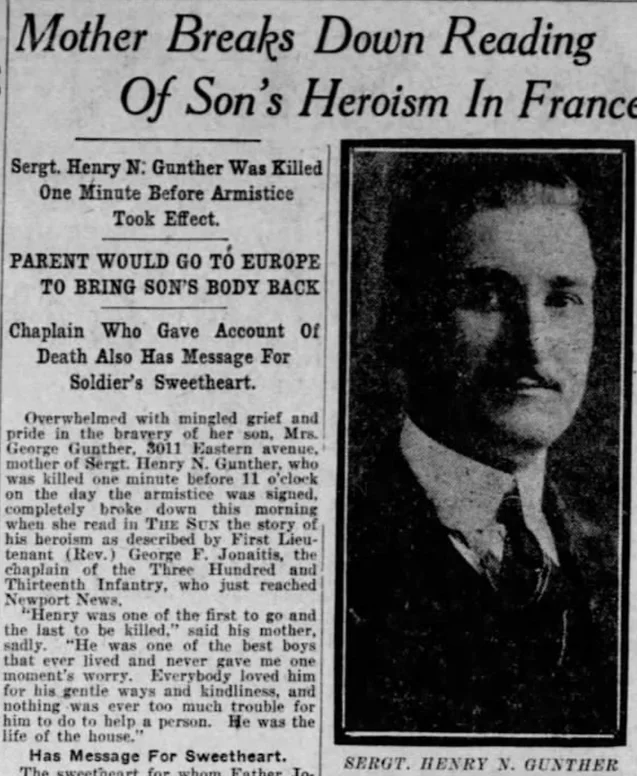
12 сентябрда унинг бўлинмаси Мёз дарёси ва Аргон ўрмони ҳудудидан немисларни сиқиб чиқариш учун юборилади. 11 ноябрь куни эрталаб соат 05:20 атрофида Германия ва Антанта ўртасида сулҳ имзоланади, унинг шартлари Европадаги Америка ҳарбий контингентига ҳам тегишли эди. Келишув ўша куни соат 11:00 да кучга кириши керак эди. Германия имзолангандан сўнг дарҳол ҳарбий ҳаракатларни тўхтатишни таклиф қилди, аммо иттифоқчиларнинг бош қўмондони маршал Фердинанд Фош таклифни рад этади ва жангларнинг катта қисми давом этади. Сулҳ имзоланиши ва унинг кучга кириши орасидаги олти соат ичида 11 мингга яқин одам ҳалок бўлган ёки яраланган, охирги қурбон Генри Гюнтер эди. Унинг отряди Чаумонт-девант-Дамилиер қишлоғида позицияларни эгаллашга ҳаракат қилади ва пулемёт экипажлари билан Германия назорат пунктига йўл олади. Соат 10:59 да Гюнтер, сержантнинг жойида қолиш ҳақидаги буйруғига қарамай, ҳужумга ўтади ва сулҳ кучга киришидан бир дақиқа олдин отиб ташланади.
Америкалик аскарлар уйга қайтганидан сўнг, ёзувчи ва журналист Жеймс Кейн Гюнтернинг ҳамкасблари билан бир неча бор суҳбатлашган. Аскарнинг умидсиз ҳужумига АҚШга содиқлигини исботлаш ва урушдан кейин бошлиқларнинг ҳурматини қайтариш истаги сабаб бўлган. 2008 йил 11 ноябрь – Фахрийлар кунида Гюнтер вафот этган жойда Чаумонт-девант-Дамилиерда соат 10:59 да ёдгорлик ўрнатилган ва икки йилдан сўнг Балтимордаги қабристонга қабртоши ўрнатилган.
Қўшма Штатларга олиб кетилган охирги қул
Матильда Ғарбий Африкада, ёруба жамиятида туғилган. 1860 йилда унинг қишлоғига Дагомея армияси ҳужум қилган, икки ёшли Матильда онаси ва икки синглиси билан қўлга олиниб, Вида порт шаҳрига олиб кетилган. У ерда 106 нафар бошқа асирлар билан бирга “Клотильда” капитани Уильям Фостерга сотилган. Трансатлантик қул савдоси 1808 йилда техник жиҳатдан тақиқланган эди, аммо бу савдогарларнинг қулларни Қўшма Штатларга олиб ўтишини ва кейин уларни “кўчмас мулк” сифатида сотишини тўхтатмади.
1860 йилга келиб, бу савдо тури ҳам деярли йўқ қилинди. “Клотильда” қонунни бузишда давом этган охирги кема бўлиб қолди. 9 июль куни у Алабама штатидаги Мобил кўрфазига кирди. Ўшанда қуллар маҳаллий аҳолига сотилган. Матильда ва унинг онаси Уокер Крэйгнинг фермасида қул бўлган ва 1865 йилда қуллик бекор қилинмагунча, яъни улар акциядорлик билан шуғуллангунча Крэйгнинг плантациясида яшаган. 14 ёшида Матильда биринчи фарзандини оқ танли инсондан дунёга келтиради. Кейин эса яна икки марта она бўлади. 1879 йилда у немис эмигранти Якоб Шулер билан учрашган.
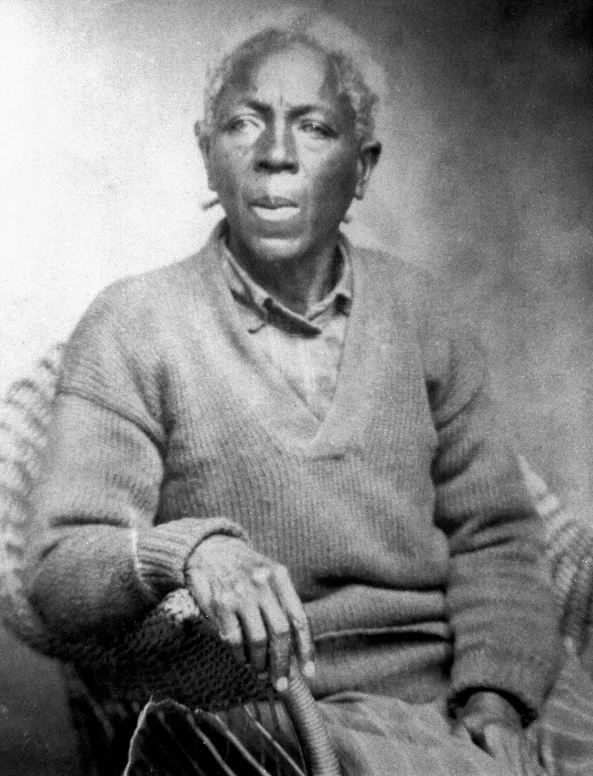
Маълумотларга кўра, улар турмуш қурмаган ёки бирга яшамаган, эҳтимол ирқлараро муносабатлар туфайли муаммолардан қўрққан, аммо эр-хотиннинг етти фарзанди бор эди. 1931 йилда Матильда ҳукумат Биринчи жаҳон уруши қатнашчиларига жангларда қатнашгани учун товон пули тўлаганини эшитиб, қуллик учун рамзий тўлов талаб қилиб судга мурожаат қилишга ҳам қарор қилади, бироқ судья унинг талабларини рад этади. Матильда 1940 йил 13 январда вафот этган.
Гитлер бункерини тарк этган охирги одам
1934 йилда электромеханик Йоханнес Хентшель рейхканцлер Адольф Гитлернинг квартирасида ишлаш учун ишга қабул қилинган ва у ерда электр қурилмалари ва алоқа воситаларининг ишлаши учун масъул бўлган. 1945 йилнинг январь ойида иттифоқчи кучлар Берлин томон ишонч билан олдинга силжий бошлайди ва Германия ҳаводан бомбардимон қилинади. Шунинг учун 16 январда Гитлер ўзининг яқин доираси билан идорасининг остидаги бункерга кўчиб ўтади ва Хентшель ҳам улар билан бирга ҳаракатланади. 30 апрель куни фронтлардаги вазиятни ўзгартириш умидидан воз кечиб, Адольф Гитлер ва хотини Ева Браун ўз жонига қасд қилади.
1 май куни беш фарзандини ўлдиргандан сўнг, Жозеф ва Магда Геббельс, сўнгра Вермахт Олий қўмондонлиги штаб бошлиғи Ганс Кребс ва генерал Вильгельм Бургдорф ўз жонига қасд қилади. Бункернинг бошқа аҳолиси – ҳарбийлар, шифокорлар ва ходимлар шаҳарга бостириб кирган совет қўшинларидан яшириниш умидида гуруҳ бўлиб бункерни тарк эта бошлайди.
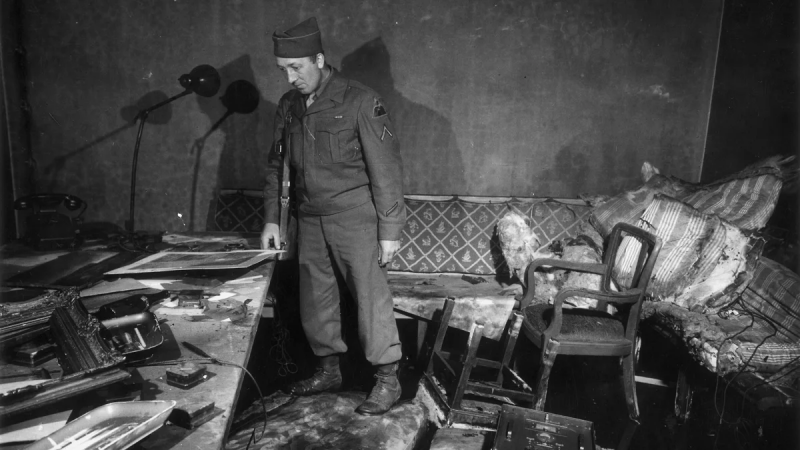
Бункерда охирги қолганлар Йоханнес Хентшель ва телефон оператори ва Гитлернинг собиқ қўриқчиси Рохус Миш эди. 2 май куни эрта тонгда Миш ҳам бункерни тарк этишга қарор қилади ва Хентшелни у билан бирга кетишга таклиф қилади, аммо Йоханнес унинг таклифини рад этади. Бункернинг тепасида дала шифохонаси ташкил этилган ва уни сув ва электр энергияси билан таъминлаш чоралари кўрилган, Хентшель инфратузилмани сақлаб қолиш учун жойида қолишга қарор қилган. У бир неча соат ёлғиз қолган. Эрталаб Қизил Армия бункерни эгаллаб олади ва Хентшель ҳибсга олинади. У озодликка чиқишдан олдин тўрт йил умрини Совет Иттифоқининг қамоқ лагерларида ўтказади.
Иккинчи жаҳон урушининг сўнгги аскари
1945 йилнинг сентябрь ойида Япониянинг таслим бўлишини тан олмаган ва 1974 йилгача Индонезияда ўзининг “урушини” давом эттирган Накамура Теруо кўп йиллар давомида уруш тугаганидан бехабар ҳолда яшаган. 1943 йилда Япония армиясига чақирилган ва Индонезиядаги Моротай оролида хизмат қилган. 1945 йил январь ойида АҚШ кучларининг Индонезиядаги якуний ғалабасидан сўнг Токио ва Моротай ўртасидаги радио алоқаси йўқолди.
Япония командо бўлинмаларидан бирида хизмат қилган Накамура қўлга тушмасликка муваффақ бўлди. У ўрмонга қочиб, у ерда ўзига кулба қурди. Картошка эккан ва шу орқали ҳаётини сақлаган. 1974 йил сентябрь ойида тўрт нафар индонезиялик учувчи унинг яширинган жойини топди. Аммо Япониянинг Жакартадаги элчихонаси билан икки ойлик дипломатик музокаралар олиб борилиб, йигирма йилдан кўпроқ вақтни тўлиқ изоляцияда ўтказган, Иккинчи жаҳон уруши тугаганидан бехабар ва ўлдирилишига ишонган одамни қутқариш режасини ишлаб чиқиш керак эди.
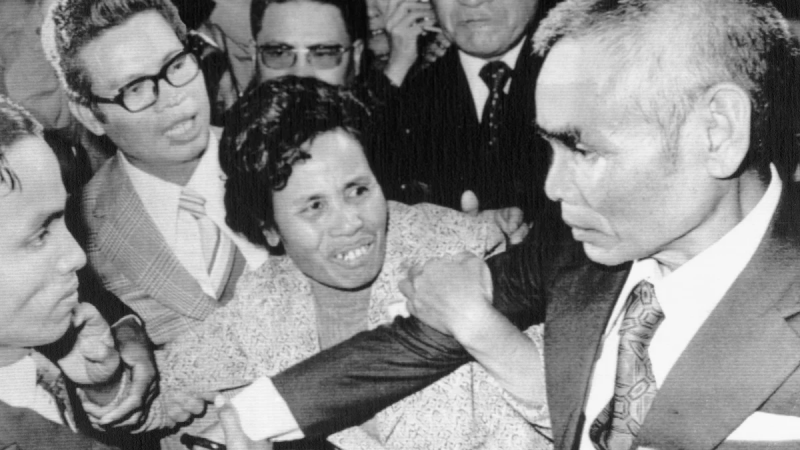
1974 йил 18 декабрь куни эрталаб Накамура ўзининг кичкина кулбасидан чиққанида, уни Индонезия аскарлари ўраб олади. Улар Япон мадҳиясини куйлаш ва Япония императорлик байроғини ҳилпиратиб, яланғоч Накамурани яширинган жойидан олиб чиққан. Теруо аскарларга яхши сақланган милтиқ ва охирги бешта ўқ-дорини топширган.
“Командирим менга охиригача жанг қилишни буюрди”, деб тушунтирган Накамура уларга.
Асирга олинганда у 55 ёшда эди. Тайванда туғилган Теруо Накамура ўзининг жасорати, чидамлилиги ва қийинчиликларни енгиш қобилияти билан машҳур бўлган. Накамура Тайвань энди Япония ёки Хитой эмас, балки суверен давлат сифатида мавжуд экани ҳақида маълумотга эга бўлганида, “Мен анчадан бери япон бўлганман. Тайвань энди бошқа давлат эканлиги муҳим эмас”, дея жавоб қайтарган.

Live
All