Ноёб манбаларни ёдгорлик сифатида сақламасдан, илмий истеъмолга киритиш керак – Мирзиёев
Local
−
29 January 2025 6445 5 minutes
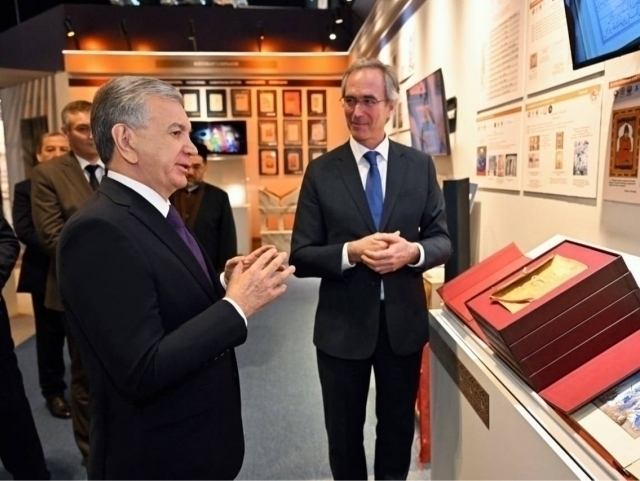
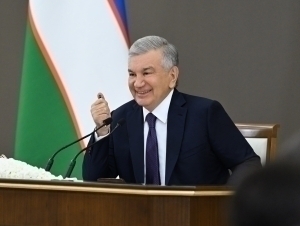
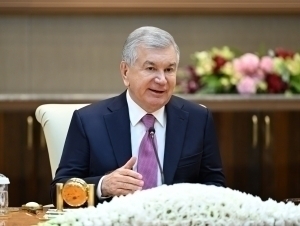
Ўзбекистон тарихига оид китоблар, қўлёзмалар, ноёб маълумотлар, санъат асарларини ёдгорлик сифатида сақламасдан, фаол илмий истеъмолга киритиш зарур. Бу ҳақда бугун, 29 январь куни Президент Шавкат Мирзиёев Ўзбекистондаги Ислом цивилизацияси марказида олиб борилаётган бунёдкорлик ишлари билан танишиш чоғида маълум қилди.
Бу мажмуа Ўзбекистон тарихида илгари бўлмаган улкан ва ноёб лойиҳа. Бугунги кунда муҳташам бино қад ростлаб, қурилиш якуний босқичга кирган.
Ушбу марказ Президентнинг 2017 йил 23 июндаги қарорига биноан бошланиб, 2018 йилги Рамазон ҳайити куни давлатимиз раҳбари унинг пойдеворига тамал тоши қўйган эди.
Бағоят улуғвор марказ биноси уч қаватни ташкил этиб, қадимги меъморий обидаларимиз шаклида бунёд этилмоқда. Миллий гумбаз ва пештоқлар, нақшларнинг ажойиб уйғунлиги унга алоҳида кўрк ва салобат бағишлаган. Мажмуанинг тўрт томонида баландлиги 34 метрли пештоқлар, ўртада 65 метрли гумбаз қурилган.
Марказнинг энг асосий қисмида Қуръони карим зали бунёд этилмоқда. Бу ерда мусулмон дунёсининг маънавий дурдонаси – қадимий Усмон Мусҳафи жойлаштирилади. Шунингдек, сомонийлар, қорахонийлар, хоразмшоҳлар, Ўзбекхон, темурийлар ва бошқа тарихий сулолалар даврида битилган муқаддас китобимиз нусхалари ва уларнинг эски ўзбек тилидаги таржималари қўйилади. Жаҳондаги энг нодир қўлёзма Қуръонлардан намуналар ҳам ўрин олади.
“Халқимизнинг бой ва бетакрор меросига оид кўп китоблар, турли ўлкаларга сочилиб кетган қўлёзмалар, ноёб маълумотлар, санъат асарлари, афсуски, бизга номаълум эди. Мана шу марказ сабаб бўлиб тарихни ўрганишда катта қадамлар қўйдик, янги манбалар юзага чиқди. Энди буларнинг таъсири, натижаси қандай бўлади? Уларни фақат ёдгорлик сифатида сақламасдан, фаол илмий истеъмолга киритиш, аҳолимиз, ёшларимизга тушунарли тилда етказиш, жаҳон жамоатчилигига кенг тарғиб қилиш керак. Бу даргоҳ нафақат ўтмиш ҳақида ҳикоя қиладиган, балки тарих, бугун ва келажакни боғлайдиган, тараққиётимизнинг асосий йўналишларини белгилаб берадиган ақл-тафаккур маркази бўлиши зарур”, деди Шавкат Мирзиёев.
Мажмуада “Исломдан аввалги цивилизациялар”, “Биринчи Ренессанс даври”, “Иккинчи Ренессанс даври”, “Ўзбекистон XX асрда”, “Янги Ўзбекистон – янги Ренессанс” каби бўлимлар ташкил этилади. Президентимиз уларнинг илмий концепцияси яратилган шароитларга алоҳида эътибор қаратди.
Мазкур даврлар тарихи турли ашёлар, қўлёзма манбалар, суратлар ва мультимедиа воситалари орқали намойиш этилган. Хоразмий, Фарғоний, Форобий, Беруний, Ибн Сино, Бурҳониддин Марғиноний, Маҳмуд Замахшарий, Мирзо Улуғбек, Алишер Навоий, Бобур Мирзо, Али Қушчи каби аллома ва мутафаккирларнинг серқирра фаолияти ҳақида маълумот берилган. Имом Бухорий, Имом Термизий, Ҳаким Термизий, Абу Мансур Мотуридий, Абу Муин Насафий, Қаффол Шоший, Абдулхолиқ Ғиждувоний, Нажмиддин Кубро, Баҳоуддин Нақшбанд, Хўжа Аҳрор Валий каби уламоларнинг ислом маърифатига қўшган ҳиссаси атрофлича ёритилган.
Айни вақтда мажмуада Бибихоним, Хонзодабегим, Гавҳаршодбегим, Гулбадан, Нодирабегим, Увайсий, Анбар Отин каби тарихимизда чуқур из қолдирган машҳур аёлларнинг илм-маърифат ҳомийси сифатидаги фаолияти ҳам ўз ифодасини топган. Бу экспозиция бугунги қизлар учун ибрат намунаси бўлиб хизмат қилади.
Давлат раҳбари марказнинг фаолияти ва аҳамияти ҳақида тўхталди.
“Ислом цивилизациясининг, ислом таълимотининг замини – аслида илм-фан, маданият, таълим ва тарбиядир. Биз барпо этаётган марказнинг бош ғояси, асоси ҳам шу. Энг муҳим томони – юртимиздаги ислом маданияти билан боғлиқ бир неча минг йиллик қадимий ўтмиш бир жойда – мана шу мажмуада мужассам бўлади. Марказ билан танишган одам ана шу тарихни яққол кўриб, ислом дини, бу аввало, тинчлик, тараққиёт ва бағрикенглик дини эканини, ўзбек халқининг дунё тамаддунига қўшган буюк ҳиссасини англайди”, деди Президент.
Ана шу вазифадан келиб чиққан ҳолда, марказда улуғ аждодлар меросини чуқур тадқиқ қилиш, уни бугунги куннинг ўткир муаммоларига жавоб бера оладиган ҳаётбахш кучга айлантириш зарурлиги таъкидланди. Бунинг учун Ўзбекистон халқаро ислом академияси, Имом Бухорий, Имом Термизий, Имом Мотуридий номидаги ва бошқа халқаро илмий-маърифий ташкилотлар фаолиятини илмий-услубий жиҳатдан мувофиқлаштириш, биргаликда замонавий таҳдидларга муносиб илмий жавоблар топиш, жаҳолатга қарши маърифат билан курашиш керак.
“Насиб этса, бу мажмуа ўзимизнинг меъморий тажрибамиз, Янги Ўзбекистоннинг бунёдкорлик мактаби, илмий-маънавий салоҳиятимиз рамзи сифатида тарихга киради. Ҳар бир бўлимнинг мазмун-моҳияти айни шу мақсадга қаратилиши лозим. Чет элдаги машҳур музей ва кутубхоналар, нуфузли мутахассислар билан ҳамкорлик йўлга қўйилгани, китоблар, мақолалар нашр этилаётгани эътиборга лойиқ. Бу ишлар доимий ва илмий асосга эга бўлиши учун ишни режали ташкил қилиш керак. Бош мақсадимиз – миллий ўзлигимизни англаш ва англатиш”, деди давлат раҳбари.
Марказ томонидан бир қатор халқаро илмий муассаса ва ташкилотлар, жумладан, UNESCO, ICESCO билан яқин ҳамкорлик ўрнатилди. 2024 йил августда Тошкент ва Самарқанд шаҳарларида “Буюк аждодлар мероси – Учинчи Ренессанс асоси” мавзусидаги VIII халқаро конгресс ўтказилди. Унда 35 та давлатдан 200 га яқин хорижий олимлар қатнашиб, марказ бўйича қимматли таклиф ва тавсиялар билдирди.
Қурилиш ишлари ва экспозиция билан танишиш жараёнида Шавкат Мирзиёев марказ фаолиятини ташкил этиш, унинг маъно-мазмунини янада бойитиш ва такомиллаштириш юзасидан зарур кўрсатмалар берди.
Давлат раҳбари шу ерда Тошкентнинг туризм салоҳиятига бағишланган тақдимот билан ҳам танишди.
Бундай лойиҳалар кўп жойларда бошланган. Бектемир, Мирзо Улуғбек, Миробод, Юнусобод, Яккасарой, Янгиҳаёт туманларида 7/24 тартибида ишлайдиган ўнлаб сайёҳлик манзиллари ташкил этилган.
Тошкентнинг эски шаҳар ҳудуди ўзига хос тарихий аҳамиятга эга. Бу ерга йилнинг барча мавсумида хорижий сайёҳлар кўп келади. Шу боис ҳудуд туризм хизматларига ихтисослаштирилмоқда. Жумладан, ўтган йили Чорсу бозори ёнидаги Гулбозор маҳалласида шундай кўча ташкил этилганди. Абдулла Қодирий номидаги маданият ва истироҳат боғи ҳам ободонлаштирилмоқда.
Энди буларга уйғун равишда гастрономик ва туризм кўчаларини ташкил этиш режалаштирилган. Бунинг учун 17 та кўча ва 32 та берк кўча танлаб олинган. Уларда Эски шаҳарнинг ўзига хос меъморий қиёфасини сақлаб қолган ҳолда, қўшимча инфратузилмалар яратилади.
Бунинг натижасида ҳудудда фаолият юритаётган тадбиркорлар сони 250 тага кўпаяди, 1 минг 500 та иш ўрни очилади. Муҳими, кунлик сайёҳлар сони ҳозирги 4 мингтадан 11 мингтага кўпайиши кутилмоқда.
Мутасаддиларга тадбиркор ва ҳунармандлар учун қулайликларни кўпайтириш, саёҳатларни мазмунли ва қизиқарли ташкил этиш бўйича кўрсатмалар берилди.
Live
All