Наманганда VIII асрга оид тангалар ва ноёб қўлёзма топилди
Interesting
−
13 September 2025 6766 1 minute
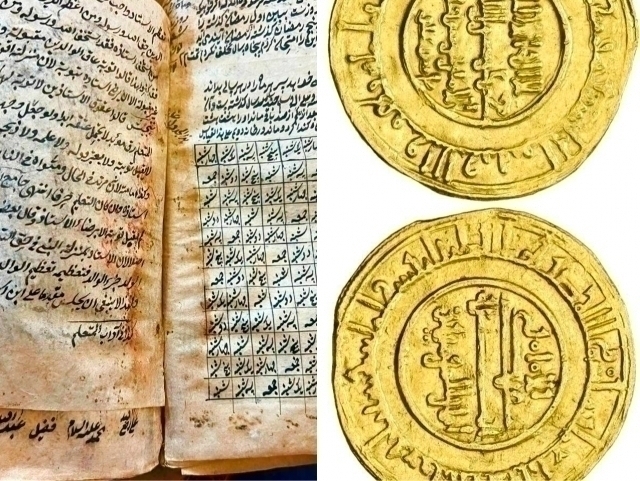
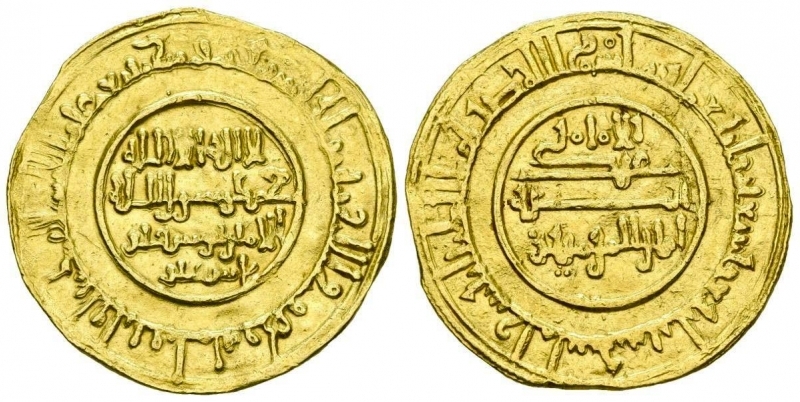
Наманган вилоятида VIII асрга оид ноёб қўлёзма ҳамда айнан шу асрга тегишли Аббосийлар зарб этган тангалар топилди. Бу ҳақда вилоят ҳокимлиги матбуот хизмати хабар берди.
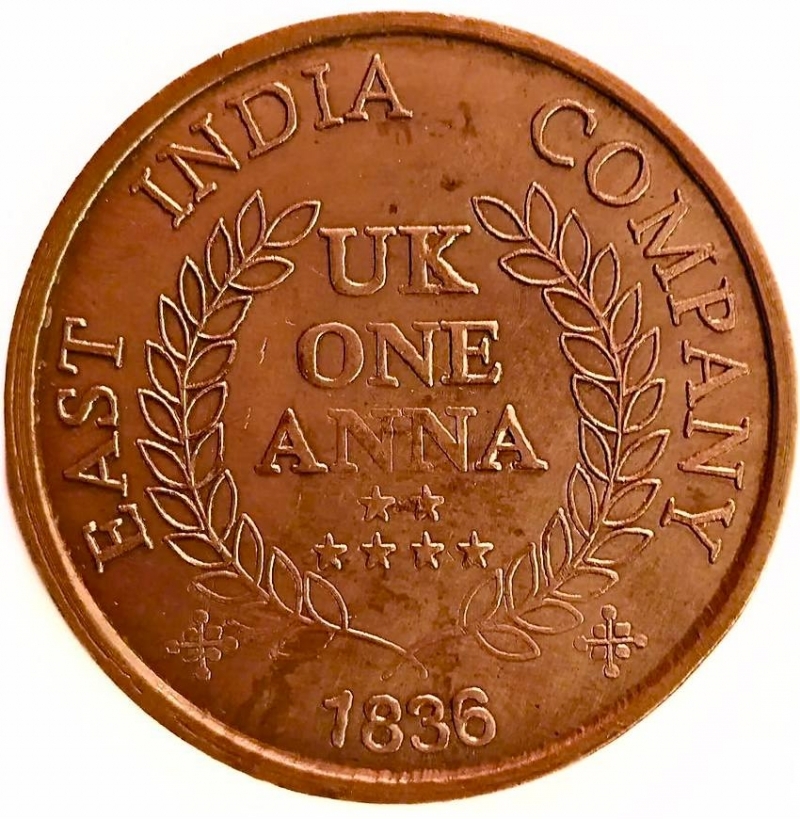
Ахсикент археология парки таркибидаги Янги Ахси мажмуаси топилмалар фонди 68 та янги танга ҳамда 27 та китоб билан бойиди. Қайд этилишича, Аббосийлар ҳукмронлиги давридаги кумуш тангалар ҳам араб ёзувидаги бежирим хатга эга. Қўлёзма китобда ҳандаса, риёзиёт, илми нужум, тиббиётга оид қимматли маълумотлар бор. Улар орасида Сомоний ва Қорахоний ҳукмдорлари даврида ҳамда 1667-1670 йилларда Швеция, 1836 йилда Буюк Британияда чиқарилган тангалар мавжуд.
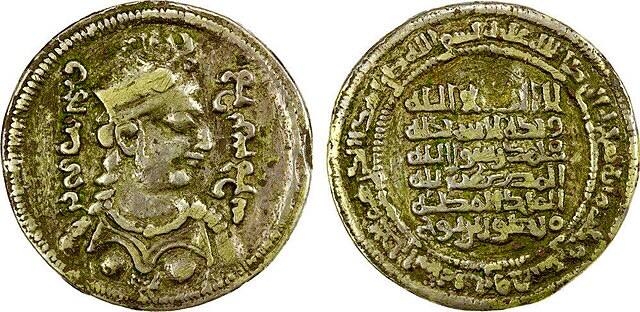
Таъкидланишича, илк кумуш тангалар милоддан аввалги III асрда чиқарилган. Унинг юза қисми – аверсига подшонинг сурати, орқа томони – реверсига қисмида эса ҳар хил худолар, муқаддас ҳайвонлар тасвири туширилган ёки подшоларнинг номи ёзилиб, тамғаси акс эттирилган.
Айни пайтда ҳам қазишма ишлари олиб борилмоқда.
Эслатиб ўтамиз, аввалроқ халқаро археологлар жамоаси Ўзбекистон жанубидаги Тода ғоридан тошдан ясалган ўроқлар, ёввойи арпа ва бошқа донли экинлар уруғлари, шунингдек, тахминан 9,2 минг йил олдин маҳаллий овчи-теримчилар йиғган турли ўсимлик қолдиқларини топганди.

Live
All26 October
26 October