Мирзиёев ташвишда
Local
−
04 July 2025 68625 6 minutes
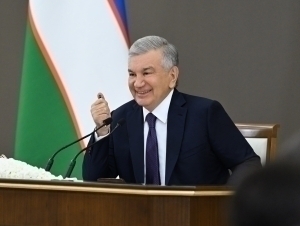
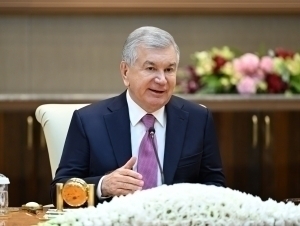
4 июль куни Озарбайжоннинг Хонкенди шаҳрида Иқтисодий ҳамкорлик ташкилотининг 17-саммити бўлиб ўтди. Саммитда сўзга чиққан Ўзбекистон Президенти Шавкат Мирзиёев дунёда рўй бераётган сўнгги воқеалар ва янги таҳдидлар ҳақида гапирди, шунингдек, бир қатор таклифларни илгари сурди.
Ҳурматли делегациялар раҳбарлари!
Сизлар билан қадимий Қорабоғ заминида, ноёб тарихий ва маданий меросни ўзида мужассам этган кўркам Хонкенди шаҳрида кўришиб турганимиздан беҳад мамнунман.
Бугун ушбу ҳудуд том маънода бунёдкорлик ва тинчлик маконига айланиб бораётгани чин қардош сифатида бизни чексиз қувонтиради.
Айнан шу заминда Иқтисодий ҳамкорлик ташкилотининг саммитини юксак даражада ташкил этаётгани ва самимий қабул учун Озарбайжон Республикаси Президенти ҳурматли Илҳом Алиев Жаноби Олийларига чуқур миннатдорлик изҳор этаман.
Тошкентдаги тарихий саммитимиздан кейин Ташкилотнинг институционал салоҳиятини мустаҳкамлаш, янги йўналишларда ҳамкорликни йўлга қўйиш борасида сезиларли ютуқларга эришилди.
Фурсатдан фойдаланиб, Ташкилотимиз доирасида Қозоғистон Республикасининг самарали раислигини ҳам алоҳида таъкидлаб ўтмоқчиман.
Шу билан бирга, анжуманимизда узоқ танаффусдан сўнг Афғонистон Муваққат ҳукумати делегацияси иштирок этаётганидан хурсандмиз. Чунки биз қўшни Афғонистонни Ташкилотимиз маконининг ажралмас бир қисми, кенг кўламли иқтисодий ҳамкорлик ва транспорт соҳасидаги ўзаро боғлиқлик жараёнларининг муҳим иштирокчиси сифатида кўрамиз ва ҳар томонлама қўллаб-қувватлаймиз.
Ҳурматли йиғилиш қатнашчилари!
Бугунги саммитимиз бутун дунё ҳамжамияти кескин инқирозни бошидан кечираётган мураккаб бир шароитда бўлиб ўтмоқда.
Айниқса, аксарият зиддият ва низолар айнан бизнинг Ташкилотимиз маконида содир бўлаётгани фикримизнинг яққол исботидир. Сўнгги ойларда Жанубий Осиё ва Яқин Шарқда юз берган воқеалар барчамизни чуқур ташвишга солмоқда.
Халқаро ҳуқуқ ва глобал хавфсизлик институтларининг таназзули мулоқот ва ҳамкорликни янада заифлаштириб, куч ишлатиш ва зўравонликка кенг йўл очмоқда. Хусусан, Ташкилотимиз аъзоси бўлган Эрон Ислом Республикасига нисбатан олиб борилган ҳарбий ҳаракатлар бутун минтақани уруш гирдобига тортиш, кенг миқёсдаги экологик ҳалокат ўчоғининг вужудга келиш хавфини туғдирди.
Эрон ва Исроил ўртасида ўт очишни тўхтатиш бўйича эришилган келишувни қўллаб-қувватлаймиз. Ушбу қарорни минтақадаги кескинликни юмшатиш, хавфсизликни тиклаш йўлидаги муҳим қадам сифатида баҳолаймиз.
Бу келишув барча муаммоларни дипломатик ва конструктив музокаралар йўли билан ҳал этиш учун мустаҳкам замин яратишига ишонамиз.
Оммавий қирғин қуролларини тарқатмаслик ва уларни ишлатишдан тийилиш халқаро хавфсизликнинг энг долзарб масаласи эканини инобатга олиб, дунё ҳамжамиятини яна бир бор ядро қуролидан холи ҳудудлар географиясини кенгайтиришга чақирамиз.
Таъкидлаш жоизки, Фаластин-Исроил зиддиятини адолатли ҳал этмасдан туриб, Яқин Шарқдаги тинчлик ва барқарорликка эришиш мумкин эмас.
Биз Ғазо секторида ҳарбий ҳаракатларни тўхтатиш, очлик ва ғайриинсоний шароитдан азоб чекаётган аҳолига гуманитар ёрдам кўрсатишга ҳеч қандай тўсиқ қўймаслик, Бирлашган Миллатлар Ташкилоти резолюцияларига мувофиқ мустақил Фаластин давлатини ташкил этиш тарафдоримиз.
Ҳурматли саммит иштирокчилари!
Ҳар қандай тинчлик ва тараққиётнинг асоси, энг аввало, иқтисодий ҳамкорлик билан белгиланади. Шу боис Ташкилотимиз доирасидаги шериклик бугунги кунда нафақат табиий, балки муҳим стратегик аҳамиятга эга.
Йиғилишимиз кун тартибидан келиб чиқиб, бир қатор масалаларга эътиборингизни қаратмоқчи эдим.
Энг аввало, биз Ташкилотимизнинг ўрта ва узоқ даврдаги устувор ривожланиш йўналишларини белгилаб олишимиз керак.
Бу борада “Иқтисодий ҳамкорликнинг стратегик мақсадлари – 2035” концепциясини қабул қилишимиз зарур. Ҳужжатда савдо, инвестиция, транспорт, энергетика, саноат, қишлоқ хўжалиги, экология, туризм ва таълим каби анъанавий йўналишлар билан бирга, инновациялар, сунъий интеллект ва рақамли технологиялар соҳаларида ҳамкорликни кучайтиришга алоҳида эътибор қаратиш лозим.
Ташкилотимиз доирасида товар ва хизматлар савдосини соддалаштириш, техник ва нотариф тўсиқларни босқичма-босқич бартараф этиш, электрон савдони ривожлантириш масалалари айниқса долзарбдир.
Шунга эътиборингизни қаратмоқчиман: ҳозирги кунда ўзаро савдо ҳажми паст даражада қолмоқда. Бу кўрсаткич 2024 йилда 95 миллиард долларни ташкил этиб, давлатларимиз умумий савдо айланмасининг 10 фоизини ташкил этди.
Мазкур йўналишда стратегик масалаларни муҳокама қилиш, Савдони соддалаштириш тўғрисидаги битимни келишиш мақсадида жорий йил Тошкентда савдо вазирларимизнинг учрашувини ўтказиш таклифини илгари сурамиз.
Бундан ташқари, қишлоқ хўжалиги маҳсулотлари савдоси бўйича тезкор маълумот алмашиш ва тўсиқсиз етказишга қаратилган “яшил йўлаклар” тизимини яратиш долзарбдир.
Сармоявий ҳамкорлигимизни янги босқичга олиб чиқиш, инвестиция муҳитини янада шаффоф ва жозибадор қилиш мақсадида узоқ муддатли “Экоинвест” дастурини қабул қилиш ташаббусини илгари сурамиз. Бу дастурнинг асосий мақсади минтақамиздаги истиқболли лойиҳаларга хусусий инвесторлар, банклар ва халқаро молия институтларини кенг жалб этиш, деб ҳисоблаймиз.
Яна бир устувор йўналиш. Сўнгги вақтдаги геосиёсий воқеалар халқаро логистика занжирларининг узилиш хавфи нақадар юқорилиги ҳамда муқобил транспорт йўлакларини шакллантириш стратегик аҳамиятга эга эканини яна бир бор исботлади.
Ўтган йили Хитой – Қирғизистон –Ўзбекистон темир йўли лойиҳасини амалга оширишни бошлаганимиз муҳим воқеа бўлди. Келгусида ушбу магистрал тармоқ Трансафғон йўлаги билан туташиб, кенг минтақамиздаги транзит тармоқларини самарали бирлаштириш имконини беради.
Транспорт ва логистика соҳасини рақамлаштириш ишларини тизимли асосда йўлга қўйиш мақсадида Рақамли транспорт ва божхона идорасини ташкил этиш тўғрисидаги ташаббусни амалда татбиқ этиш вақти келди, деб ҳисоблаймиз ва экспертлар даражасидаги музокараларни жадаллаштириш тарафдоримиз.
Минтақада янги авиақатновлар йўналишларини очиш, авиакомпаниялар ўртасида инновацион ҳамкорлик шаклларини йўлга қўйиш, туризм ва авиация соҳалари ўртасида маркетинг бўйича интеграциялашган стратегияларни ишлаб чиқиш долзарб вазифалардан биридир. Ушбу масалаларни муҳокама қилиш мақсадида Миллий авиакомпаниялар форумини Самарқандда ташкил этишни таклиф қиламиз.
Истиқболда туризм соҳасида сайёҳлар оқимини икки баробар ошириш учун етарли салоҳиятга эгамиз. Ташкилот доирасида “Туризм хизматларини кенгайтириш бўйича “йўл харитаси”ни ишлаб чиқиш айни шу эзгу мақсадимизга хизмат қилади.
Эътиборингизни яна бир муҳим масалага қаратмоқчиман.
Глобал иқлим кун тартибига киритилган масалалар юзасидан давлатларимизнинг интилиш ва саъй-ҳаракатларини бирлаштириш муҳимдир. Боку шаҳрида муваффақиятли ўтган CОP-29 глобал иқлим саммитида қабул қилинган мажбуриятлар ва келишувлар тўлиқ амалга оширилишининг қатъий тарафдоримиз.
Ташкилот доирасида чўл ҳудудларида ўрмонлар ташкил қилиш, рекреация зоналарини барпо этиш бўйича Трансчегаравий “яшил дастури”ни ишлаб чиқишни таклиф этамиз.
Ҳурматли делегациялар раҳбарлари!
Ташкилотимиз фаолиятини такомиллаштириш мақсадида ташкил этилган Юқори даражадаги қўмитанинг ишини ижобий баҳолаймиз. Қўмитага келгуси саммитга қадар Ташкилот фаолиятини ислоҳ қилиш бўйича аниқ таклиф ва тавсиялар ишлаб чиқиш вазифасини топширсак, ўйлайманки, ушбу фикримни маъқуллайсизлар.
Бундай ислоҳотлар ҳамкорлигимизни янги босқичга олиб чиқиш, Ташкилотнинг халқаро майдондаги обрў-эътибори ва нуфузини янада ошириш ҳамда унинг фаолиятини замон талабларига мос равишда такомиллаштиришга хизмат қилиши шубҳасиз.
Ишонаман, бугунги саммитимиз кўпқиррали ва амалий ҳамкорлигимизни янги босқичга кўтариш борасидаги катта ният ва режаларимизга муносиб туртки бағишлайди.
Эътиборингиз учун раҳмат!

Live
All