Мирзиёев “Марказий Осиё ва Россия энергетик шериклиги” дастурини ишлаб чиқишни таклиф қилди
Local
−
09 October 2025 3968 4 minutes
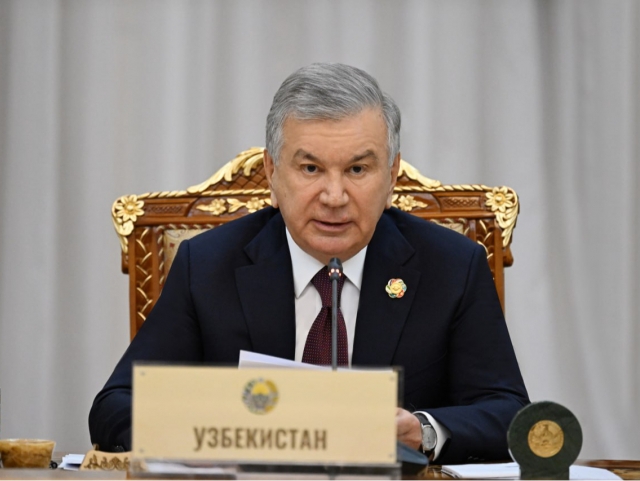
Ўзбекистон Президенти Шавкат Мирзиёев бугун, 9 октябрь куни Тожикистон пойтахти Душанбеда ўтган “Марказий Осиё – Россия” форматидаги иккинчи саммитда стратегик шерикликни мустаҳкамлаш, иқтисодий ҳамкорликни ривожлантириш ва минтақавий барқарорликни биргаликда таъминлашга қаратилган кўплаб ташаббусларни илгари сурди.
Шавкат Мирзиёев:
- биргаликда қабул қилинган қарор ва лойиҳалар ижросини тезлаштириш учун ҳукумат раҳбарлари ўринбосарлари даражасида Мувофиқлаштирувчи кенгаш таъсис этишни таклиф қилди;
- товар айирбошлашни кўпайтириш ва қишлоқ хўжалиги маҳсулотларини етказиб бериш жараёнларини енгиллаштириш мақсадида “Марказий Осиё – Россия агроэкспресси” лойиҳасини ишга туширишни таклиф қилди;
- автомобиль, темирйўл ва авиация алоқалари соҳасида миллий дастурларни уйғунлантириш учун мамлакатлар Транспорт-логистика контурини ишлаб чиқиш ташаббусини илгари сурди;
- Бухоро шаҳрида илғор муҳандислик ечимларини ишлаб чиқиш ва жорий этишга қаратилган “Марказий Осиё – Россия" саноат инжиниринг хабини ташкил этишни таклиф этди;
- Тошкентда ўтказиладиган “Иннопром. Марказий Осиё” кўргазмали форумига минтақанинг асосий саноат ва инновация майдони мақомини бериш таклифи билан чиқди;
- атом энергетикаси йўналишида Минтақавий компетенциялар марказини Ўзбекистонда ташкил этиш, шунингдек, Москва давлат муҳандислик-физика институтининг Тошкент филиали негизида Кадрлар тайёрлаш дастурини қабул қилиш ташаббусини билдирди;
- “Марказий Осиё ва Россия энергетик шериклиги” комплекс дастурини ишлаб чиқиш, шунингдек, углеводородларни қидириш ва қайта ишлаш, энергия тежовчи ва “яшил” технологияларни жорий этиш бўйича ҳамкорликни кенгайтириш ташаббусини илгари сурди;
- Сунъий интеллект ва рақамли технологиялар бўйича Минтақавий эксперт кенгашини ташкил этиш, шунингдек, мамлакатларда “Сколково” инновация маркази филиалларини очишни таклиф этди;
- “Келажак муҳандислари” консорциумини тузиб, Марказий Осиё ва Россиянинг етакчи олийгоҳлари ва илмий марказлари салоҳиятини бирлаштириш ҳамда ёш тадқиқотчилар ва олимлар учун Махсус грантлар дастурини таъсис этиш ғоясини илгари сурди;
- ҳар йили ўтказиладиган Марказий Осиё ва Россия халқлари маданияти, санъати ва ижодиёти фестивали — Этномаданият форумини ташкил этиш таклифини билдирди;
- терроризм, экстремизм, кибертаҳдидлар ва одам савдосига қарши курашиш бўйича биргаликда чоралар кўриш муҳимлигини қайд этди ҳамда Афғонистон бўйича юқори даражадаги маслаҳатлашувлар ўтказишни таклиф қилди.
Ўзбекистон раҳбарининг таъкидлашича, Россия билан энергетика соҳасидаги ҳамкорлик бундан буён ҳам минтақа барқарорлигининг омили бўлиб қолади. Бугунги кунда газ қувурлари ва энергетика инфратузилмасини ривожлантириш бўйича стратегик лойиҳалар амалга оширилмоқда.
“Шу кунларда тарихий бир воқеа бўлиб ўтади – Ўзбекистонда барпо этиладиган атом электр станциясининг биринчи реактори ва кўптармоқли ядро тиббиёти маркази қурилиши бўйича қўшма лойиҳаларни амалга оширишга старт берилади”, деди Президент.
Ушбу йўналишда кенг илмий-амалий ҳамкорликни йўлга қўйиш - Ўзбекистонда Атом энергетикаси бўйича минтақавий компетенциялар марказини таъсис этиш, шунингдек, Москва муҳандислик-физика институтининг Тошкент филиали негизида Кадрлар тайёрлаш дастурини қабул қилиш таклиф қилинди. Углеводородларни излаш ва қайта ишлаш, электр энергетикасини модернизация қилиш, энергия тежамкор ечимларни жорий этиш борасидаги ҳамкорликни кенгайтириш нияти билдирилди.
Тожикистон Республикаси Президенти Имомали Раҳмон раислигида ўтган тадбирда Россия Федерацияси Президенти Владимир Путин, Қозоғистон Республикаси Президенти Қосим-Жомарт Тўқаев, Қирғиз Республикаси Президенти Садир Жапаров ва Туркманистон Президенти Сердар Бердимуҳамедов қатнашди.
Эртага, 10 октябрь куни Душанбеда МДҲ давлат раҳбарлари кенгашининг йиғилиши ўтказилади. Унда Ўзбекистон, Озарбайжон, Арманистон, Беларусь, Қозоғистон, Қирғизистон, Россия, Тожикистон ва Туркманистон раҳбарлари иштирок этади. Дастлаб фақат давлат раҳбарлари ва МДҲ Бош котиби Сергей Лебедев иштирокидаги тор доирадаги йиғилиш бўлади, сўнгра тушлик атрофида кенгайтирилган таркибдаги учрашув ўтказилиб, унда Сергей Лебедев ҳамда Россия инсон ҳуқуқлари бўйича вакили Татьяна Москалькова сўзга чиқади.
Саммитда давлат раҳбарлари янги формат – “МДҲ+”ни ташкил этиш масаласини муҳокама қилади. Бу форматга учинчи мамлакатларнинг қўшилиши назарда тутилади. Ўхшаш тизим BRICS ва ШҲТ доирасида ҳам амал қилади. Владимир Путин ўз нутқи давомида МДҲ раҳбарларини декабрь охирида анъанавий тарзда ўтказиладиган норасмий учрашувга Санкт-Петербургга таклиф қилади. Унинг аниқ санаси ҳозирча белгиланмаган.

Live
All