Мирзиёев денгиз йўли йўқ давлатлар учун глобал битим тузишни таклиф қилди
Local
−
05 August 2025 5626 5 minutes
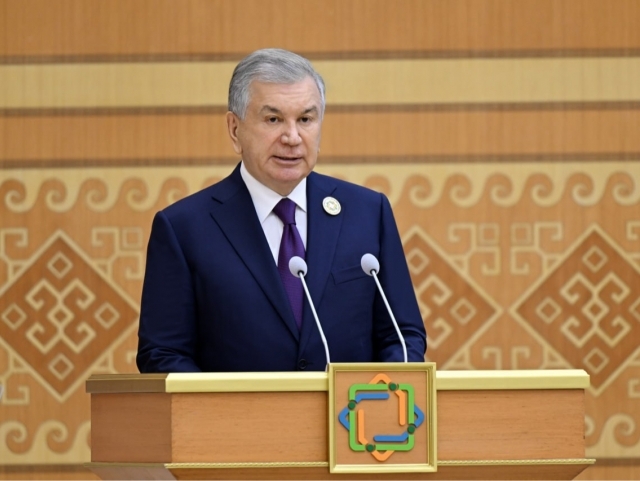
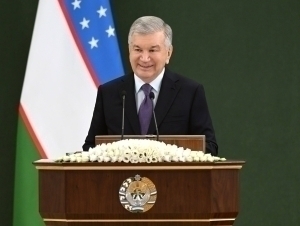
Ўзбекистон Президенти Шавкат Мирзиёев БМТ шафелигида денгизга чиқиш йўлига эга бўлмаган мамлакатлар учун Транзит кафолатлари тўғрисидаги глобал битимни ишлаб чиқишни таклиф қилди. Бу ҳақда у бугун, 5 август куни Туркманбоши шаҳридаги “Аваза” миллий туризм ҳудудида ўтаётган БМТнинг Денгизга чиқиш имкони бўлмаган ривожланаётган мамлакатлар бўйича учинчи конференциясида сўз очди.
Қайд этилишича, Туркманистон Президенти Сердар Бердимуҳамедов раислигида ўтган тадбирда БМТ Бош котиби Антониу Гутерриш, Қозоғистон Республикаси Президенти Қосим-Жомарт Тўқаев, Тожикистон Республикаси Президенти Имомали Раҳмон, шунингдек, бошқа қатор давлат ва ҳукуматлар, халқаро ва минтақавий ташкилотлар раҳбарлари ҳам иштирок этган.
Кун тартибига мувофиқ, транспорт жиҳатидан ўзаро боғлиқликни мустаҳкамлаш ва савдо тартиб-таомилларини соддалаштириш, иқтисодиётни трансформация қилиш, иқлим ўзгариши ва экологик таҳдидларга бардошлиликни ошириш, Барқарор ривожланиш мақсадларига эришишнинг долзарб масалалари кўриб чиқилган.
Ўзбекистон раҳбари сўзининг аввалида Туркманистоннинг Барқарор ривожланиш мақсадларига эришиш, глобал ва минтақавий барқарорлик ва фаровонликни таъминлашга қаратилган саъй-ҳаракатларини юксак баҳолаган.
Конференцияда муҳокама қилинаётган масалалар ҳаётий муҳим аҳамиятга эга эканини, чунки денгиз портларидан жўғрофий узоқлик ва бир неча мамлакат ҳудудларини кесиб ўтиш зарурати бир қатор объектив муаммоларни келтириб чиқараётганини таъкидлаган.
Тарифларнинг юқорилиги, транспорт йўлаклари ва инфратузилмасининг чеклангани, бошқа мамлакатларнинг божхона-транзит сиёсатига қарамлик шулар жумласидан.
Жаҳон банки маълумотларига кўра, катта транспорт харажатлари ва транзитнинг беқарорлиги туфайли Марказий Осиё минтақаси ҳар йили ялпи ички маҳсулотнинг 2 фоизигача йўқотмоқда.
Логистика харажатлари товарлар қийматининг 60 фоизигача қисмини ташкил этади, бу эса жаҳондаги ўртача кўрсаткичдан бир неча баробар юқори.
Шу муносабат билан янги ишончли транзит йўлаклари ва логистика инфратузилмасини ривожлантириш Марказий Осиёда барқарор тараққиётнинг муҳим шартига айланмоқда.
“Бугун бизни бирлаштирган кун тартиби фундаментал масала – адолат масаласига дахлдордир. Бу – денгизга чиқиш йўлига эга бўлмаган давлатларга жаҳон иқтисодиётида тенг шароитларда иштирок этиш имкониятини таъминлашдир”, дейди Ўзбекистон етакчиси.
Шу билан бирга, ушбу долзарб муаммони ҳал қилиш учун учта принципиал шартни бажариш лозим.
Булар барқарор ривожланиш асоси сифатида инфратузилмани модернизация қилиш, транзит муаммоларининг олдини олиш мақсадида ўзаро боғлиқликни кучайтириш ва глобал тенг ҳуқуқлиликнинг асосий элементи бўлган ривожланиш ҳуқуқини таъминлаш.
Сўнгги йилларда Ўзбекистонда хусусий секторни фаол жалб қилган ҳолда замонавий транспорт-логистика тармоғини шакллантириш бўйича тизимли қадамлар қўйилди. Савдо-транспорт жараёнларини рақамлаштириш бўйича салмоқли ишлар амалга оширилди.
Амалга оширилаётган таркибий иқтисодий ислоҳотлар, савдо тизимини либераллаштириш ва инвестиция муҳитини тубдан яхшилаш сезиларли натижалар бермоқда: рақобатбардошлик ошди, инновацион ривожланиш жадаллашди.
“Марказий Осиёда ўзаро ишонч ва шериклик янги даражага кўтарилгани эса жадал ўзгаришларга кучли туртки бермоқда”, дейди давлат раҳбари.
Бугун минтақада ягона транспорт-логистика макони шаклланмоқда. Марказий Осиёни Шарқ ва Ғарб, Шимол ва Жануб ўртасидаги тўлақонли транзит хабига айлантиришга қаратилган дастур ва лойиҳалар амалга оширилмоқда.
Кейинги йилларда товар айирбошлаш ҳажми 4,5 баробар кўпайиб, 11 миллиард доллардан ошди. Инвестициялар икки баробар, қўшма корхоналар сони беш баробар кўпайди.
Жорий йилда ҳамкорлар билан “Хитой - Қирғизистон – Ўзбекистон” темирйўли қурилиши бошланди, “Ўзбекистон - Туркманистон - Эрон – Туркия” транспорт йўлаги орқали юк ташиш ҳажми сезиларли даражада ошди.
Денгизга чиқиш имкони бўлмаган мамлакатларнинг умумий таҳдид ва муаммоларини бартараф этиш мақсадида Ўзбекистон Президенти қатор аниқ таклиф ва ташаббусларни илгари сурди.
Аввало, халқаро транспорт йўлаклари ва инфратузилмасини жадал ривожлантириш учун ўзаро мувофиқлашган ҳаракатларни амалга ошириш зарурлиги таъкидланди.
Шу маънода, “Ўзбекистон – Афғонистон – Покистон” темирйўлини қуриш лойиҳасини амалга оширишни жадаллаштириш ва уни қурилаётган “Хитой – Қирғизистон – Ўзбекистон” темирйўл магистрали билан туташтириш муҳимлиги таъкидланди.
“Бу кенг минтақамизда янги савдо-иқтисодий макон ва барқарор транспорт инфратузилмасини шакллантириш учун катта имкониятлар очади”, дейди Ўзбекистон етакчиси.
Давлат раҳбари Ўрта йўлак салоҳиятини, энг аввало, ўзаро келишилган транзит сиёсатини юритиш, қоидаларни унификация қилиш ва контейнер ташувлари учун мақбул тарифларни жорий этиш орқали тўлиқ ишга солишга чақирди.
Ўзбекистон Президенти, шунингдек, БМТ шафелигида денгизга чиқиш йўлига эга бўлмаган мамлакатлар учун Транзит кафолатлари тўғрисидаги глобал битимни ишлаб чиқишни таклиф қилди.
Ҳужжат портлар ва коммуникациялардан адолатли фойдаланиш шартларини таъминлаш, юк ташишда хавф-хатарларни пасайтириш, глобал логистикада тенгсизликни камайтиришга қаратилган.
Йирик инфратузилмавий лойиҳаларни молиялаштириш учун мослашувчан инвестиция воситаларига талаб ортиб бораётганини ҳисобга олиб, давлат раҳбари БМТ шафелигида Денгизга чиқиш йўлига эга бўлмаган мамлакатларнинг логистика интеграциясига кўмаклашиш жамғармасини тузиш ташаббусини илгари сурди. Марказий Осиё мамлакатларининг транспорт инфратузилмасига инвестицияларга бўлган эҳтиёжи йилига қарийб 40 миллиард долларга баҳоланмоқда.
Шунингдек, Ўзбекистон раҳбари транзит имкониятларининг чекланишини холисона аниқлаш, халқаро молиявий-техник дастурларни кенгайтириш ва ресурсларни реал шароитларни ҳисобга олган ҳолда самарали тақсимлаш мақсадида Денгизга чиқиш йўлига эга бўлмаган мамлакатларнинг Заифлик глобал индексини ишлаб чиқиш ташаббусини илгари сурди.
Ўзбекистонда аграр соҳани ривожлантириш бўйича Инновацион хабни ташкил этиш таклифини амалга ошириш муҳимлигига эътибор қаратилди. Бу мослашувчан агротехнологияларни жорий этиш, сувни тежаш ва озиқ-овқат хавфсизлигини таъминлаш бўйича инновацион лойиҳаларни илгари суриш, билим ва тажриба алмашишга хизмат қилади.
Ўзбекистон Президенти етакчи экспертлар ва “ақл марказлари”ни умумий таҳдидларни енгиб ўтиш бўйича таклифлар ишлаб чиқишга фаол жалб қилиш, шу жумладан халқаро анжуман ва давра суҳбатлари ўтказиш муҳимлигини қайд этди.
“Бундай тадбирлар кун тартибига глобал ишлаб чиқариш занжирларига мамлакатларимизнинг чуқур интеграциясини таъминлаш, сунъий интеллект ва рақамли технологияларни жадал ривожлантириш, трансчегаравий инвестицияларни кенгайтириш ва стартапларни қўллаб-қувватлаш масалаларини киритиш мумкин”, дейди Президент.
Шунингдек, Ўзбекистон денгизга чиқиш йўлига эга бўлмаган мамлакатлар учун Халқаро таҳлил маркази фаолиятига қўшилиш ниятида экани маълум қилинди.
Сўзининг якунида давлат раҳбари Ўзбекистон глобал тараққиётнинг янада адолатли архитектурасини шакллантириш бўйича конструктив ва узоқ муддатли шерикликка тайёр эканини тасдиқлади.
Конференция якунида Аваза сиёсий декларацияси қабул қилинди.
Эслатиб ўтамиз, аввалроқ Шавкат Мирзиёев Марказий Осиё давлатлари раҳбарларининг еттинчи Маслаҳат учрашувига тайёргарлик кўриш ва уни ўтказиш масалаларига бағишланган махсус тадбирда иштирок этганди.

Live
All