Марказий Осиё Туркия дипломатиясига оғир зарба берди – сиёсатшунос
World
−
17 April 2025 18485 5 minutes
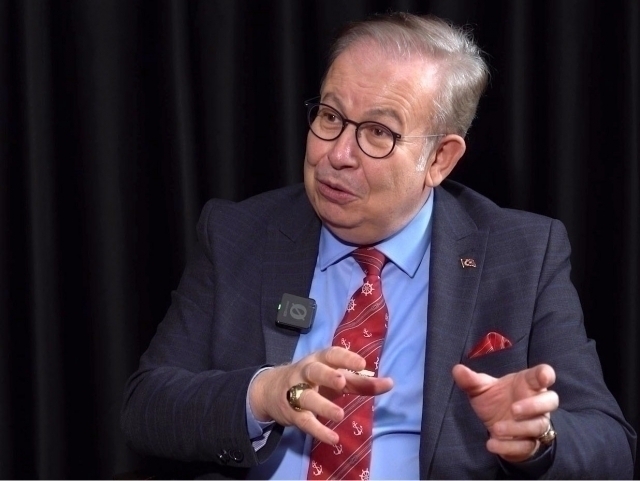
Истанбул Топкапи университети Сиёсатшунослик ва халқаро алоқалар кафедраси доценти Жиҳод Яйжи Туркий Давлатлар Ташкилотига (ТДТ) аъзо тўрт давлат ва Тожикистон Европа Иттифоқи билан қўшма декларация имзолаганини турк дипломатиясининг обрўсига оғир зарба деб атади. У бу ҳақда Туркиянинг “Haber Global” телеканалидаги чиқишида сўз очган.
Яйжининг сўзларига кўра, Шимолий Кипрнинг суверен давлат сифатида халқаро миқёсда тан олиниши Анқара ташқи сиёсатида асосий масала бўлиб қолаётганини инобатга олган ҳолда Туркия Президенти Ражаб Тойиб Эрдўған дипломатлар ва ваколатли амалдорлардан бу масала бўйича албатта тушунтириш талаб қилади.
“Айримлар Марказий Осиё давлатлари билан мавжуд вазиятнинг аҳамиятини пасайтиришга ҳаракат қилиб, бунинг гўё Туркия ташқи сиёсатига ҳеч қандай таъсири йўқлигини иддао қилмоқда. Бир ҳолатда бу ҳақиқатни яширишга уриниш бўлса, иккинчисида бу шунчаки жаҳолатдир. Бу беш давлатдан тўрттаси Туркий давлатлар ташкилоти иштирокчиси ҳисобланади ва Тожикистонда кўплаб этник турклар яшайди. Туркия барча давлатлар билан яхши алоқаларга эга. Марказий Осиё давлатлари СССР парчаланганидан кейин, 35 йил аввал мустақилликка эришган эди. Йиллар давомида улар ҳалигача Шимолий Кипрни тан олишмади, лекин турк дипломатиясининг саъй-ҳаракатлари туфайли улар ҳам Жанубий Кипрга элчиларни тайинламадилар ва аслида бу давлатни тан олмадилар. Бўлиб ўтган воқеа обрў ва 35 йиллик ташқи сиёсат ҳаракатларига зарба бўлди”, дейди у.
Доцент Туркия Президенти Шимолий Кипрни халқаро миқёсда тан олиш борасидаги саъй-ҳаракатларни фаоллаштириш ҳақида бир неча бор гапирганини ва бу борада халқаро платформалар, жумладан, БМТ томонидан аниқ позициясини билдирганини таъкидлади. Шунингдек, у Шимолий Кипр 2022 йилда ТДТда кузатувчи мақомини олганини эслатди.
“Барча бу саъй-ҳаракатлар доирасида вазият бу тарзда ривожланмаслиги керак эди. Президент Эрдўған, буларнинг барчасига йўл қўйган мамлакат дипломатлари ва бошқа ваколатли амалдорларини албатта жавобгарликка тортишига ишонаман”, дейди у.
Яйжининг сўзларига кўра, БМТ Хавфсизлик Кенгашининг 541 (1983) ва 550 (1984) резолюцияларини қўллаб-қувватлаган ҳолда, тўртта ТДТ давлати Шимолий Кипрни босиб олинган ҳудуд сифатида тан олган.
“Энди савол туғилади, Шимолий Кипрнинг бу ташкилотдаги ўрни қандай бўлади?” сўради Яйжи.
Унинг эслатишича, Самарқанддаги саммитда Европа Иттифоқи вакиллари Марказий Осиё мамлакатларига биринчи навбатда Ўрта йўлакни ривожлантириш учун 12 миллиард евро миқдорида сармоя киритишни ваъда қилган эди.
“Туркия ҳам Ўрта йўлак лойиҳасининг бир қисмидир. Айтайлик, бу пул масаласидир. Лекин биринчидан, пул бу давлатларга ёрдам сифатида эмас, лойиҳани молиялаштириш учун ажратилмоқда. Иккинчидан, Марказий Осиё давлатлари ҳақиқатан ҳам пулга муҳтожми? Масалан, табиий газ ва нефтга бой Туркманистон ва Қозоғистон. Савол туғилади: гап молиялашда экан, нега Озарбайжон буларнинг барчасида иштирок этмади? Нега бундай ҳужжатни имзоламадингиз?”, дейди Яйжи.
Эслатиб ўтамиз, жорий йилнинг 3-4 апрель кунлари Марказий Осиё – Европа Иттифоқи биринчи саммити бўлиб ўтди. Саммит якунлари бўйича Қозоғистон Республикаси Президенти Қосим-Жомарт Тўқаев, Қирғиз Республикаси Президенти Садир Жапаров, Тожикистон Республикаси Президенти Имомали Раҳмон, Туркманистон Республикаси Президенти Сердар Бердимуҳамедов, Ўзбекистон Республикаси Президенти Шавкат Мирзиёев, Европа кенгаши президенти Антониу Кошта, Еврокомиссия президенти Урсула фон дер Ляйен, Европа тикланиш ва тараққиёт банки президенти Одиль Рено-Бассо томонидан қабул қилинган баёнотнинг 4-бандида айтилишича, барча давлатларнинг суверенитети ва ҳудудий яхлитлигига халқаро ва минтақавий доирадаги ҳар қандай форумларда ҳурмат кўрсатиш, шунингдек, бу тамойилларга зид ҳаракатлардан тийилиш мажбурияти олинган.
“Худди шу руҳда, БМТ Хавфсизлик Кенгашининг 541(1983) ва 550(1984)-сонли резолюцияларига содиқлигимизни яна бир бор тасдиқладик. Минтақавий ҳамкорлик тузилмалари доирасида иштирок этишда ушбу халқаро тамойилларга риоя қилиниши кераклигини таъкидладик — бу эса ЕИ ва Марказий Осиё ўртасидаги муносабатлар ривожида муҳим аҳамиятга эга. Шу муносабат билан Туркманистон ўзининг халқаро мажбуриятларини доимий бетарафлик мақоми тамойилларига қатъий мувофиқ амалга оширишини эслатди”, дейилган баёнотнинг айнан 4-бандида.
541 ва 550 резолюциялар эса Шимолий Кипр Турк Республикасини тан олмаслик, улар билан ҳамкорлик қилмасликни англатади. Бундан кўринадики, Марказий Осиёнинг Туркий давлатлар ташкилотига аъзо бўлган 3 давлати – Қозоғистон, Қирғизистон, Ўзбекистон ва кузатувчи давлат мақомида қолаётган Туркманистон ўзи билан бир тузилма, яъни Туркий давлатлар ташкилотида бўлиб турган ШКТР билан бир стол атрофида тўпланса-да, уни рад этади.
Шимолий Кипр Турк Республикасининг ҳуқуқий мақоми
Кипр оролининг Грецияга қўшилиши тарафдорлари томонидан амалга оширилган давлат тўнтариши натижасида 1974 йилда Туркия қуролли босқинидан бери этник жиҳатдан иккига бўлинган. Ҳарбий ҳаракатлар натижасида Кипр ҳудудининг тахминан 37 фоизи Туркия назорати остида бўлиб, Шимолий Кипр – 1983 йилда ташкил топган ва жаҳон ҳамжамиятида фақат Анқара томонидан тан олинган. Туркия Шимолий Кипрда 40 минг кишилик ҳарбий контингентни сақлаб турибди. Оролнинг жанубий қисми асосан Кипр юнонлари яшайдиган Кипр Республикаси назорати остида қолган.
Шимолий Кипр Турк Республикаси Туркиянинг иқтисодий, сиёсий ва ҳарбий ёрдамига жуда боғлиқ. Кипр Республикаси ва БМТ уни босқинчи куч деб ҳисоблайди. Шимолий Кипр Турк Республикаси номини олган тузилма Туркий давлатлар ташкилоти ва Ислом Ҳамкорлик Ташкилотига кузатувчи сифатида аъзо.
Шимолий Кипр Турк Республикаси аҳолиси тахминан 294 906 киши бўлиб, 3355 км² майдонда яшайди. Аҳолининг катта қисмини этник турклар ташкил этади. Уларнинг анклавларида Кипр юнонлари ва ливанлик маронитлар ҳам яшайди. Шимолий Кипр Республикаси пойтахти – Кипр Республикаси ва Шимолий Кипр Республикаси ўртасида бўлинган Лефкоса (Никосия) шаҳри.
Шимолий Кипр Турк Республикаси Кипрнинг қолган қисмидан буфер зона билан ажратилган. Оролни икки секторга ажратувчи чизиқ Кипрдаги БМТ тинчликпарвар кучлари контингенти томонидан қўриқланади.
Live
All