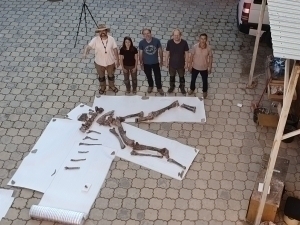
Мамонтдан тортиб динозавргача: даҳшатли бўрилардан кейин навбат кимга?
Interesting
−
18 April 2025 12097 6 minutes
Яқинда АҚШда 12 минг йил аввал йўқ бўлиб кетган даҳшатли бўрилар “тирилтирилди”. Бу эса табиийки, мамонт, динозавр ва шу каби бошқа кўплаб йўқолиб кетган турларни ҳам жонлантириш ва очиқ табиатга қайтариш мумкинлиги ҳақидаги саволларни пайдо қилди. Йўқ бўлиб кетган турларни суяк қолдиқлари асосида қайта жонлантира оладиган биотехнолог олимларнинг навбатдаги амбициялари қандай?
Олимлар нимадан норози: даҳшатли бўрилар “тирилтирилиши”
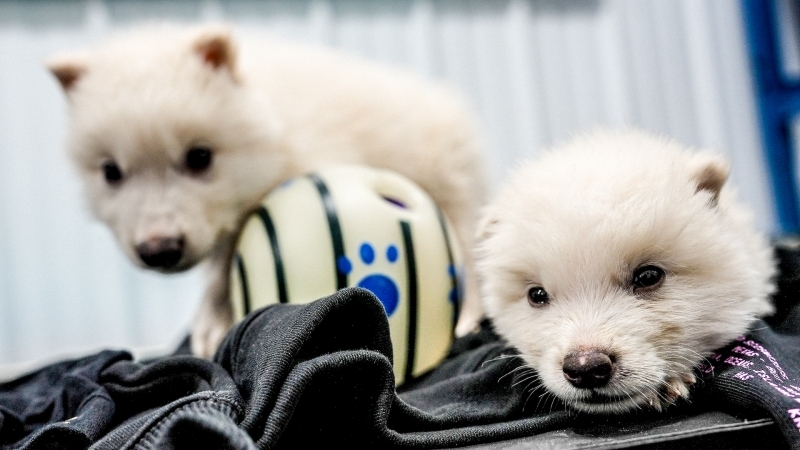
Ҳозирда олимлар даҳшатли бўрилардан тортиб жунли мамонтларгача бўлган йўқолиб кетган турларни тирилтириш ғояси устида бош қотирмоқда. Американинг Colossal Biosciences (биотехнологик) компанияси яқиндагина “Тахтлар ўйини” сериали орқали таниш бўлган даҳшатли бўрилар (dire wolves/Aenocyon dirus)нинг 72 минг йиллик бош суяги ва 13 минг йиллик тишидан олинган генлар ёрдамида турнинг нусхасини жонлантирди. Олимлар мазкур генларни замонавий кулранг бўрининг тухум ҳужайралари билан аралаштириб, уларни йирик зотли итлар – суррогат оналарга жойлаштирган. Геном таҳририда 20 та ўзгариш амалга оширилган, бунда “даҳшатли бўри”га хос хусусиятлар – йирик тана, кучли мускуллар ва оқ жун асосий эътиборда бўлган.
Аммо илм-фан тараққий этар экан, муҳим савол очиқ қолмоқда: “тирилтириш” деб ҳисобланиши учун натижа қанчалик бўлиши керак? Агар йўқ бўлиб кетган жонзот геномининг айрим қисмларигагина асосланилиб, қолгани эса ўрин босувчилар ёрдамида амалга оширилаётган бўлса, бу ҳақиқий тирилтиришми ёки шунчаки ўхшаш нусха яратишми? Бу жуда муҳим нуқта.
“The conversation” нашрининг ёзишича, ҳозирда Colossal компанияси тўлиқ бўлмаган генетик чизма, яъни қадимги ДНКга таянади, сўнг эса Crispr номли кучли геномни таҳрирлаш воситаси ёрдамида тирик, яқин қариндош тур геномига муайян фарқларни киритади. Натижада дунёга келадиган ҳайвонлар, агар улар туғилса, ташқи кўриниши ва баъзи хатти-ҳаракатлари жиҳатидан йўқ бўлиб кетган турларга ўхшаши мумкин. Аммо улар генетик жиҳатдан айни нусхаси бўлмайди. Аслида, улар гибрид, мозаика ёки функционал ўринбосарлар бўлади.
“Тирилтириш”ми ёки нусхалаш?
Оддий одамлар “қайта тирилтириш” (de-extinction) дейилганида, “Юра даври дунёси” фильмида тасвирланган динозаврлардек мукаммалликни тасаввур қилади. Аммо кинолардагидан фарқли ўлароқ, табиий тизимларни қайта лойиҳаловчи илмий соҳа – сунъий биологияда селектив (танланадиган) наслчилик, клонлаш ва тобора оммалашиб бораётган геномни таҳрирлаш каби усуллар мавжуд.
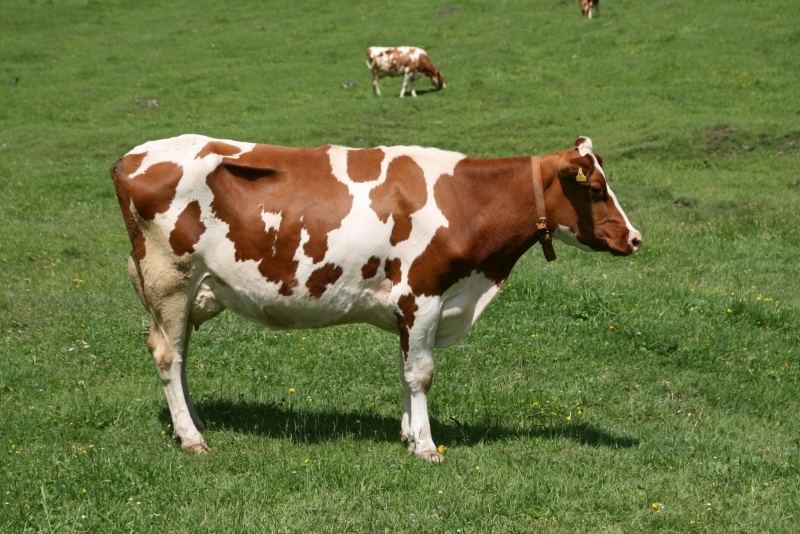
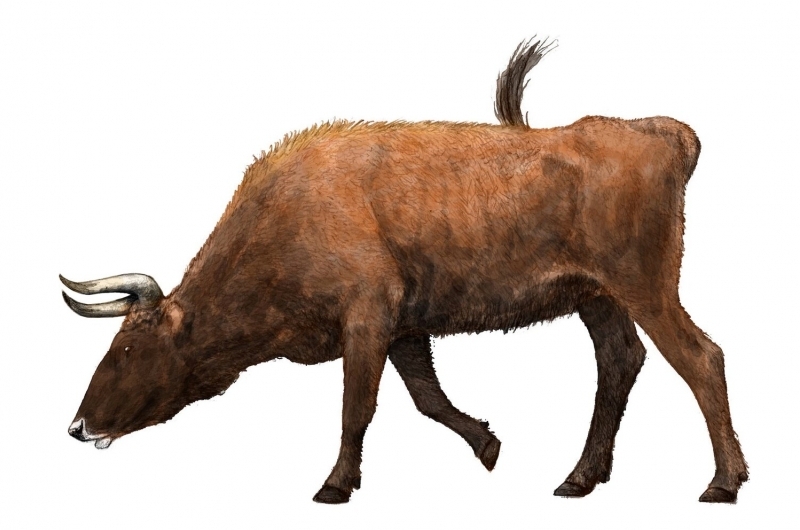
Олимлар ҳозирги қорамолларнинг аждоди бўлган ваҳший ауроксларга ўхшаш ҳайвонларни яратиш учун селектив наслчилик усулидан фойдаланган. 2003 йили испаниялик биотехнологлар клонлаш усули ёрдамида 2000 йилда йўқ бўлиб кетган пиреней эчкисини “тирилтир”ган, аммо ҳайвон туғилгач, атиги бир неча дақиқадан сўнг нобуд бўлган.
Услуб жиҳатдан фарқ қилувчи ҳар учала ёндашув туташадиган умумий мақсад битта – йўқолган турни тиклаш. Аммо биоинформатика мутахассиси Тимоти Ҳерннинг таъкидлашича, ҳозирда яратилаётганлари айнан ўша йўқолган турнинг генетик асли эмас, балки унинг ўрнини босувчи организмдир. Яъни улар ўз аждодининг функцияси ёки ташқи кўринишига ўхшаш қилиб яратилган замонавий ҳайвонлардир.
“Тирилтирилган” даҳшатли бўрилар аслига ўхшамайдими?
Янги Зеландиянинг Отаго университети доценти Ник Роленснинг айтишича, “тирилтирган”лар аслида даҳшатли бўрилар эмас ва улар тирилтирилмаган, улар фақат кўриниш жиҳатидан ўхшаш.
“Colossal яратган нарса аслида даҳшатли бўрига ўхшаш хусусиятларга эга кулранг бўри”, деган у.
Ушбу бўриларни яратиш учун олимлар икки қадимги даҳшатли бўрининг қолдиқларидан ДНК олган: бири – АҚШнинг Огайо штатидаги чуқурликдан топилган 13 минг йиллик тиш, иккинчиси эса Айдаҳо штати ҳудудидан топилган 72 минг йиллик қулоқ ички суяги. Олимлар ушбу топилмалардан олинган ДНК асосида даҳшатли бўрининг қисман геномини тиклаб, уни энг яқин тирик қариндошлари – бўри, шоқол ва тулки геномлари билан таққослашди.
АҚШ Геологик хизмати катта тадқиқотчиси Дэвид Мечнинг айтишича, янги маълумотлар даҳшатли бўрининг ўзи ҳам аслида бўри бўлмаганини кўрсатмоқда.
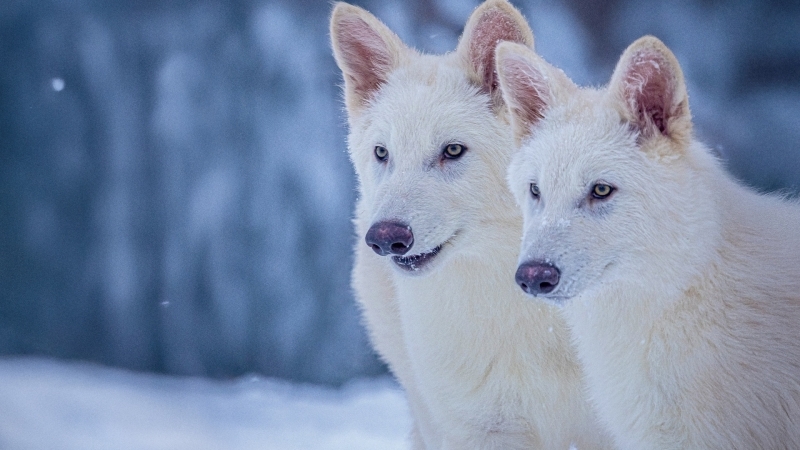
Эволюцион нуқтаи назардан қараганда, даҳшатли бўрилар (dire wolves/Aenocyon dirus) тахминан 6 миллион йил аввал бўрилардан ажралиб чиққан ва улар ҳозирги замонавий кулранг бўриларидан бутунлай бошқа гуруҳга мансуб.
Отаго университети зоология профессори Филип Седдонга кўра, даҳшатли бўрилар ўзига хос бир жинс (илмий биологик тасниф – генус)га киради, шунинг учун улар мутлақо бошқа тур ҳисобланади.
Шундай қилиб, ҳайвонлар ташқи кўринишда ўхшаши мумкин, аммо яратилган бўривойлар генетик жиҳатдан қадимги даҳшатли бўридан кўра ҳозирги замонавий бўриларга анча яқин.
Мамонтларни қайтаришга ҳаракат
Colossal биотехнологик компанияси 2028 йилда мамонт ДНКси ва Осиё фили ҳужайраларидан фойдаланган ҳолда жунли мамонтни жонлантиришни режалаштираётганини маълум қилди. Шунингдек, уни абадий музлик шароитида сақланиб қолган мамонт боласининг ДНКси асосида суррогат она фил туғиши айтилди. 10,2 миллиард доллар қийматдаги ушбу лойиҳа учун ҳозиргача 435 миллион доллар маблағ жалб қилинган.
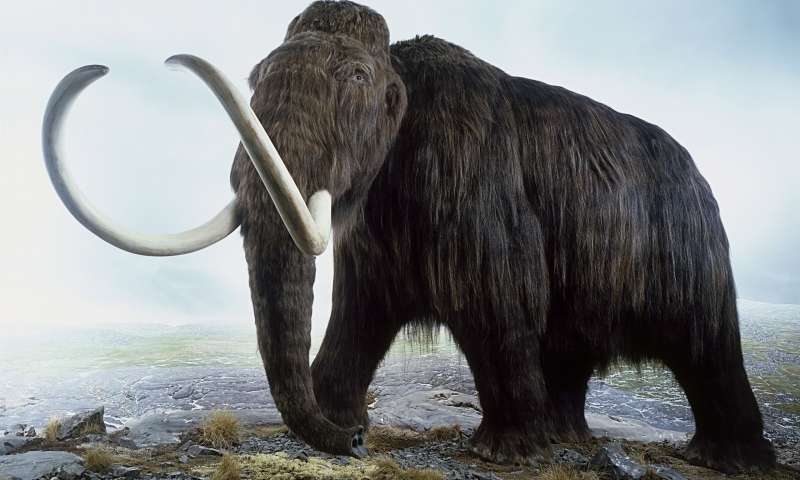
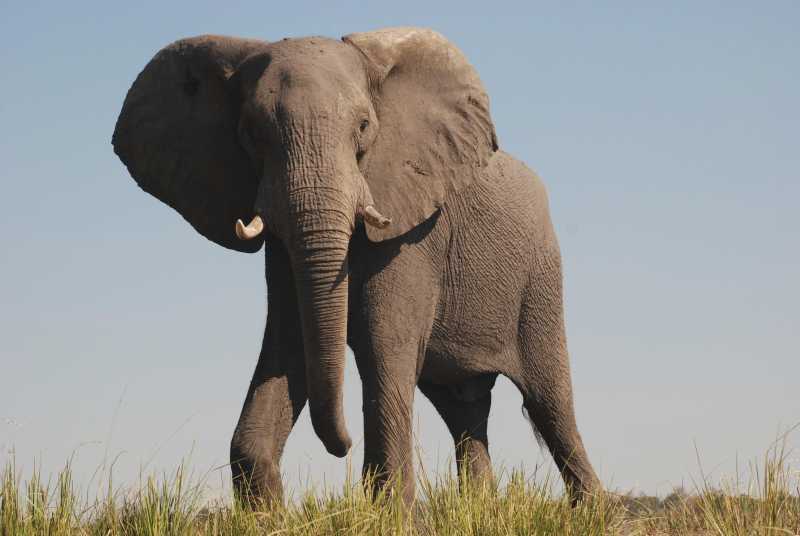
“The conversation” нашрига берган интервьюсида Ҳерн мазкур лойиҳага муносабат билдирар экан, шундай дейди:
“Лойиҳа қадимий мамонтларнинг экологик ролини бажара олувчи ва совуққа мослашган Осиё филини яратишни кўзлайди. Бироқ мамонтлар ва Осиё филлари юз минглаб йиллар олдин бир-биридан ажралиб кетган ва улар орасида тахминан 1,5 миллион генетик фарқ мавжуд. Уларнинг барчасини таҳрирлаш ҳозирча имконсиз. Шунинг учун олимлар ҳозирда фақат совуққа чидамлилик, ёғ сақлаш ва жун ўсиши каби муҳим хусусиятлар билан боғлиқ бир неча ўнлаб генларга эътибор қаратмоқда”.
Олимнинг изоҳлашича, одам ва шимпанзенинг генетик ўхшашлиги тахминан 98,8% бўлишига қарамай, улар орасида жисмоний ва хулқ-атвор фарқлари жуда катта. Агар нисбатан кичик генетик фарқлар бунчалик катта тафовутлар келтириб чиқарса, икки тур ўртасидаги фарқларнинг атиги оз қисмини таҳрирлаш орқали қандай натижани кутиш мумкин?
Биотехник мақсадлар мамонт ва даҳшатли бўри билан чекланмайди
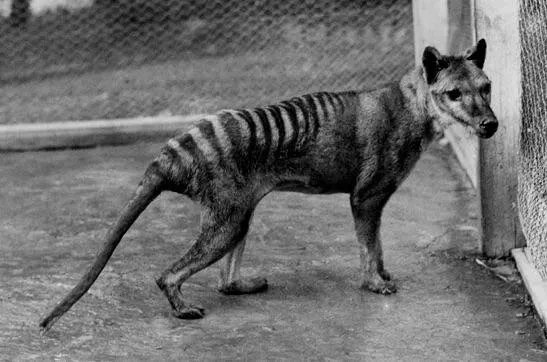
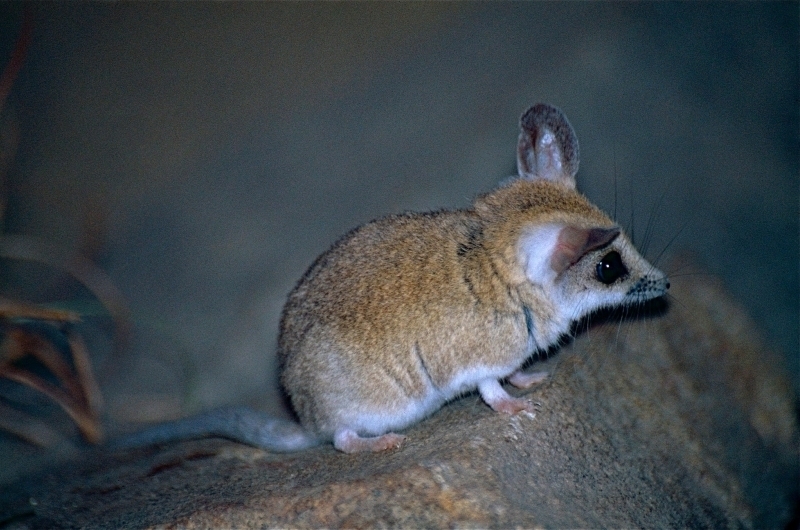
Шунингдек, Colossal биотехнологик компанияси тилатсин (Тасмания йўлбарси) номи билан танилган йиртқич халтали ҳайвонни қайта тирилтириш устида ишламоқда. Бу ҳайвон бир вақтлар Австралия материги, Тасмания ва Янги Гвинеяда яшаган, охирги намунаси эса 1936 йилда Ҳобарт ҳайвонот боғида вафот этган. Олимлар бу лойиҳа учун унинг генетик қариндоши ҳисобланган жуда кичик халтали ҳайвон – оқоёқ сичқонни асос сифатида танлаган. Мақсад – сичқон геномини тилатсинга хос хусусиятларни ифода этадиган тарзда қайта яратиш. Жамоа ҳомилани кўтариш учун сунъий бачадон қурилмасини ишлаб чиқаётганини айтмоқда.
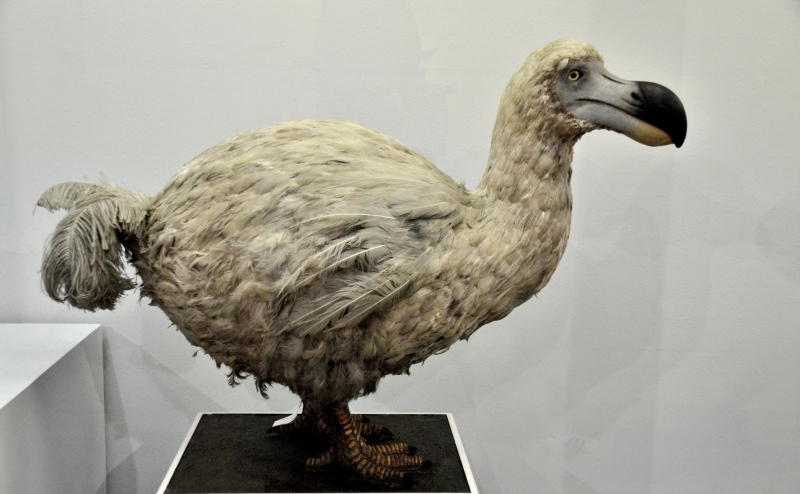
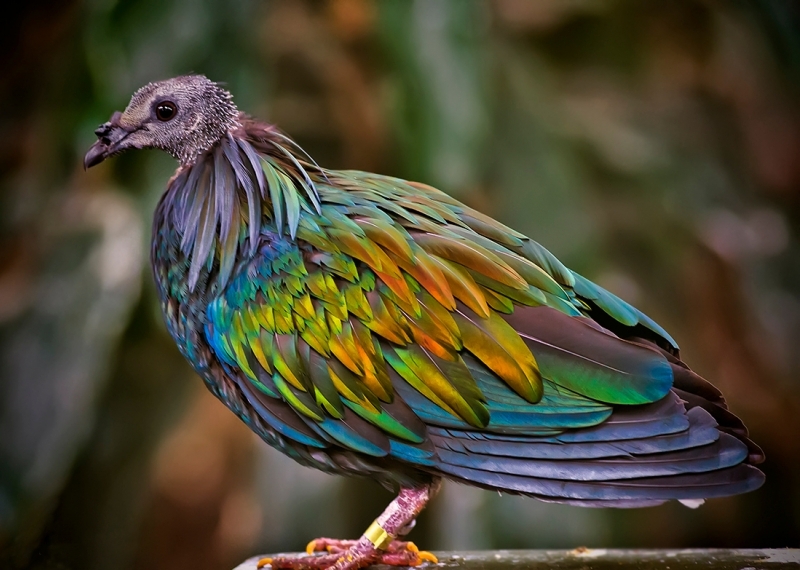
Биологларнинг яна бир лойиҳаси XV асргача Маврикий оролида яшаган учолмайдиган қуш додони тирилтиришни мақсад қилади. Бу лойиҳа учун додо қушининг энг яқин қариндошларидан бири ҳисобланган Никобар каптари генетик асос сифатида танланган.
Динозаврлар қайтариладими?
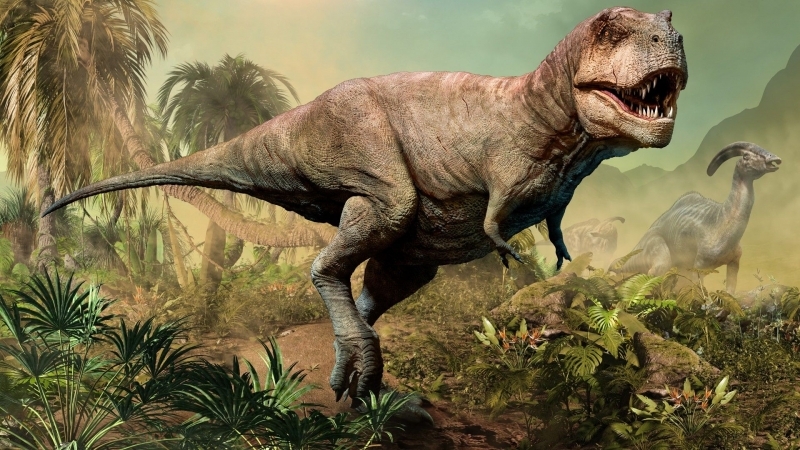
Аслини олганда, динозаврлар ҳар доим инсоният учун қизиқарли бўлган ва агар имкони бўлса, олимлар уларнинг нусхасини “жон деб” ясашган бўларди. Ҳаттоки, бунинг учун илмий изланишлар ҳам олиб борилган. Аммо 66 миллион йил олдин Ер ва астероидлар тўқнашуви оқибатида йўқолиб кетган динозаврлар ДНКси сақланиб қолмаган. Ҳозиргача фақат тўқима излари ва қон ҳужайралари шакллари топилган, холос.
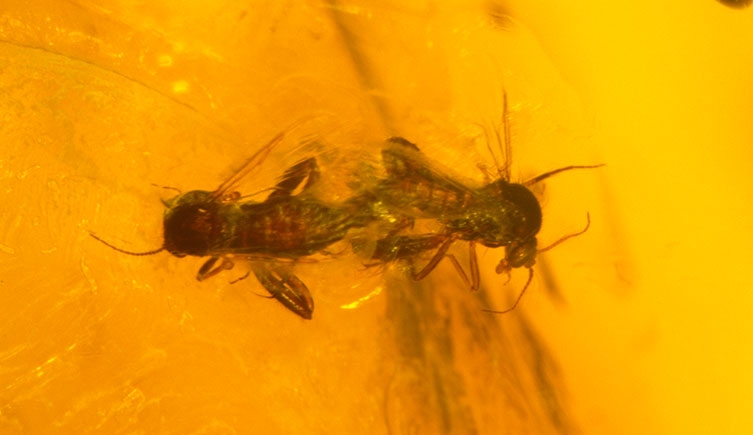
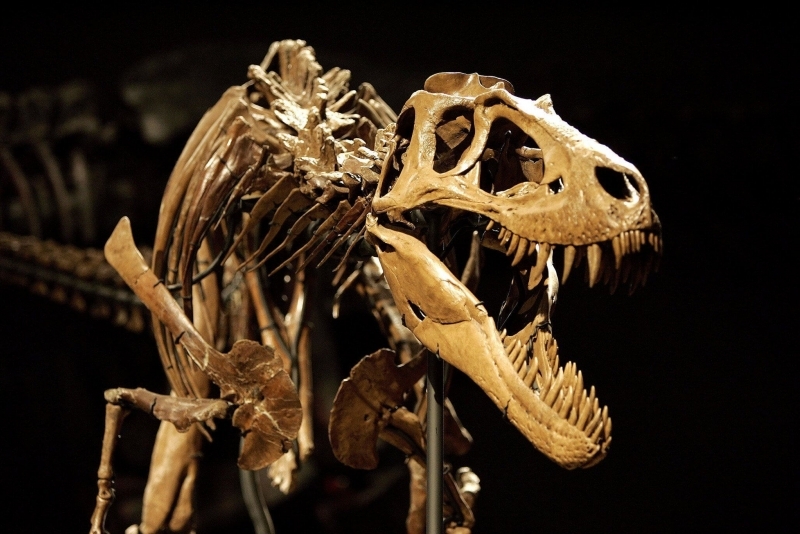
Шундай бўлса-да, яқинда топилган 45 миллион йиллик чивин қолдиғида қизил пигмент топилган, бу эса келажакда динозаврлар даврига оид ҳашаротларда қон излари топиш мумкинлигидан дарак беради. Бироқ бу ДНК топилишини кафолатламайди. 2015 йилда олимлар динозавр суягида қизил қон ҳужайраларига ўхшаш бирикмаларни топишди. Аммо улар ДНК топа олишмади, чунки ДНК қуёш нури, сув ва вақт таъсирида тез бузилади.
Ҳозирда аниқланган энг қадимги ДНК 1 миллион йиллик бўлиб, динозаврлар даврига етиш учун ундан 65-66 баробарга қадимроғи керак бўлади. Агар шундай ДНК топилса, уни тўлиқ жонзотга айлантириш учун бутун геном, яъни генетик ахборот керак бўлади. Динозаврларни тирилтиришга уриниш бўлса, у ҳолда қушлар ёки тимсоҳ ДНКси ишлатилиши мумкин, чунки улар динозаврлар билан генетик жиҳатдан яқин. Аммо ҳозирча бу фақат илмий орзулигича қолмоқда.

Live
AllOhangaronda o'qituvchi o'quvchini kaltakladi
22 October
Avstraliyada kuchli yomg'ir yog'di
22 October
Gretsiyada ham talabalar namoyish boshladi
22 October