Киберхавфсизлик инқирози: 16 миллиард пароль интернетга чиқиб кетди
Tech News
−
19 June 2025 8780 2 minutes
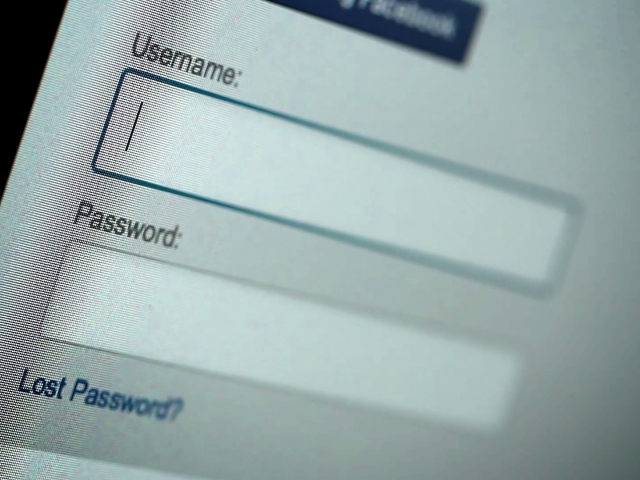
Ахборот хавфсизлиги тарихидаги энг йирик махфий маълумотлар сизиб чиқишини содир бўлди. Дастлабки маълумотларга кўра, жами 16 миллиард дона аккаунт маълумотлари – логин ва пароллар интернетга тарқалган. Бу ҳақда “Cybernews” тадқиқотчилари хабар берди.
Ушбу улкан сизиб чиқишда қуйидаги хизматларнинг фойдаланувчилари зарар кўрган:
- Apple;
- Facebook;
- Google;
- Telegram;
- GitHub;
- шунингдек, давлат ва бизнес хизматлари сайтлари.
Мутахассисларнинг маълум қилишича, маълумотлар инфостилер (маълумот ўғирловчи зарарли дастур) деб номланувчи зарарли дастурлар орқали йиғилган. Бундай дастурлар қурилмалардан логин-пароллар, браузер кукилари ва бошқа шахсий маълумотларни яширинча ўғирлайди.
Интернетда топилган 30 та маълумотлар базаси ҳар бирида ўн миллионлаб, айримларида эса 3,5 миллиардгача логин-пароль мавжуд. Ҳар бир ёзувда URL, логин ва пароль кўрсатилган, айрим ҳолларда авторизация токенлари ва бошқа метамаълумотлар ҳам мавжуд.
“Бу шунчаки маълумотлар тарқалиши эмас – бу тўлиқ киберҳужумлар қўлланмаси. “Ҳужумчилар” ушбу маълумотлардан аккаунтларни бузиш, шахсни ўғирлаш, фишинг ва бошқа ёмон мақсадлар учун фойдаланиши мумкин”, дея огоҳлантирмоқда “Cybernews” экспертлари.
Ушбу базаларнинг баъзилари бир муддат ҳимояланмаган булутли хотираларда очиқ ҳолатда турган. Уларни ким назорат қилгани номаълум, лекин айримлари кибержиноятчилар томонидан йиғилган.
Оддий фойдаланувчиларга қандай хавф туғдиради?
Ҳатто паролларнинг бир қисми такрорий бўлса ҳам, бу сизиб чиқиш катта хавф туғдиради. Чунки улар орқали:
- автоматлаштирилган тарзда аккаунтлар бузилиши (credential stuffing),
- фишинг ҳужумлари,
- email, VPN, ижтимоий тармоқлар ва ишдаги аккаунтлар бузилиши,
- зарарли ҳаволалар юборилиши,
- бизнесга қарши ҳужумлар амалга оширилиши мумкин.
“Cybernews” мутахассислари қуйидагиларни тавсия қилади:
- Ҳар бир хизмат учун ноёб ва мураккаб пароль яратиш;
- Икки босқичли аутентификацияни ёқиш;
- Компьютер ёки телефонда инфостилерлар бор-йўқлигини текшириш;
- Номаълум сайтларда логин киритмаслик ва шубҳали ҳаволаларга ўтмаслик.
Эслатиб ўтамиз, аввалроқ қозоғистонликларнинг 16 миллиондан зиёд маълумоти интернетга сизиб чиққанди. Бу ҳолат норасмий равишда “Қозоғистон аҳолиси 2024” номини олган.

Live
All