Хорижлик талабаларга “Янги Ўзбекистон стипендияси” дастури жорий этилади
Local
−
03 April 4146 3 minutes
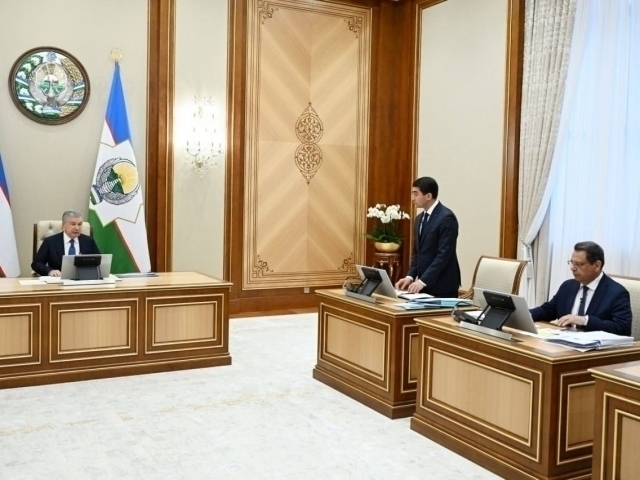
Ўзбекистонда чет эл фуқароларига олий таълим олиш учун грант ажратишни назарда тутувчи “Янги Ўзбекистон стипендияси” дастурини амалга ошириш белгиланмоқда. Бу ҳақда бугун, 3 апрель куни Президент Шавкат Мирзиёев танишган олий таълим, фан ва инновациялар тизимини янада такомиллаштиришга қаратилган таклифлар тақдимотда сўз боради.
Мамлакатда сўнгги йилларда олий таълим қамровини кенгайтириш, таълим сифатини ошириш, илмий салоҳиятни мустаҳкамлаш ва халқаро ҳамкорликни ривожлантириш бўйича кенг кўламли ислоҳотлар амалга оширилмоқда. Қолаверса, тизимдаги мавжуд салоҳиятдан самарали фойдаланиш, илм-фанни иқтисодиёт билан узвий боғлаш, таълим ва тадқиқот интеграциясини чуқурлаштириш долзарб вазифа бўлиб қолмоқда.
Шу муносабат билан тақдимотда олий таълим, фан ва инновациялар тизимини такомиллаштириш юзасидан ишлаб чиқилган янги чора-тадбирлар кўриб чиқилган.
Жумладан, “U10 – Ўзбекистоннинг глобал даражадаги илғор университетлари” дастури амалга оширилади. Дастур доирасида танлов асосида 10 та олий таълим ташкилотига миллий тадқиқот университети мақоми берилиб, уларда илмий кластерлар ташкил этилади.
Мазкур танлов профессор-ўқитувчи ва олимлар салоҳияти, иштирокчи ташкилотларнинг миллий ва халқаро рейтинглардаги ўрни, илмий инфратузилмаси ҳамда молиялаштиришдаги улуши каби кўрсаткичлар асосида ўтказилади.
Ташкил этиладиган илмий кластерлар маҳаллий ва хорижий олий таълим ташкилотлари, илмий муассасалар ҳамда саноат корхоналари ҳамкорлигидаги консорциум сифатида фаолият юритади.
Миллий тадқиқот университети мақоми берилган университетга илмий кластер ташкил этиш учун Илм-фанни молиялаштириш ва инновацияларни қўллаб-қувватлаш жамғармаси ҳисобидан 150 миллиард сўмгача маблағ ажратилади.
Шунингдек, олий таълим тизимида натижага йўналтирилган молиялаштириш механизмларини жорий этиш назарда тутилмоқда.
Хусусан, 2027 йилдан бошлаб олий таълим ташкилотларини уларнинг миллий рейтингдаги натижаларига кўра молиявий рағбатлантириш тизими йўлга қўйилади.
Бунда университетлар таълим сифати, илмий фаолият, халқаро ҳамкорлик, рақамлаштириш ва битирувчилар бандлиги каби мезонлар асосида баҳоланади.
Давлат гранти асосида таълим олаётган талабалар учун олийгоҳларга ажратиладиган маблағлар миқдорини шакллантиришда ҳам янги ёндашувлар таклиф этилган. Эндиликда таълим йўналишининг мураккаблиги, меҳнат бозори эҳтиёжлари, университет рейтинги, ҳудудий омиллар ва профессор-ўқитувчилар меҳнатини рағбатлантириш каби кўрсаткичлар инобатга олинади.
Илмий тадқиқотларни молиялаштиришнинг янги тизими жорий этилиши кўзда тутилмоқда. Хусусан, давлат илмий дастурлари доирасида ажратиладиган маблағларнинг камида 50 фоизи устувор йўналишларга сарфланади. Лойиҳаларни саралаш халқаро экспертиза, илмий-техник кенгашлар ва тармоқ корхоналари билан ҳамкорликда амалга оширилади.
Шунингдек, олий таълим ва илмий ташкилотлар фаолиятида илмий ишланмаларни тижоратлаштиришни кенгайтиришга қаратилган янги тизим таклиф этилган.
Жумладан, олийгоҳларнинг “spin-off” корхоналарини ташкил этиш орқали “тармоқ – корхона – олий таълим ташкилоти – илмий ташкилот” занжири асосида инновацион маҳсулот ва хизматлар ишлаб чиқаришни йўлга қўйиш назарда тутилмоқда.
Бу орқали илм-фан натижаларини амалиётга жорий этиш, технологик трансферни кучайтириш ва университетларнинг тадбиркорлик фаоллигини ошириш мақсад қилинган.
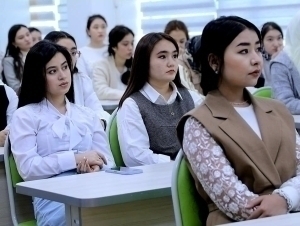
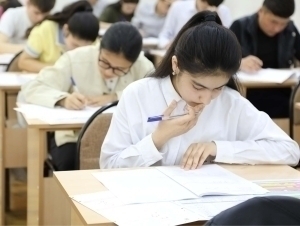
Ўзбекистонни минтақавий таълим хабига айлантириш мақсадида хорижий талабаларни жалб этиш бўйича янги механизмлар таклиф қилинган. Жумладан, ҳар йили республика давлат олий таълим ташкилотларида 500 нафаргача иқтидорли чет эл фуқароларига олий таълим олиш учун грант ажратишни назарда тутувчи “Янги Ўзбекистон стипендияси” дастурини амалга ошириш белгиланмоқда.
Тақдимотда соҳада бошқарув самарадорлигини ошириш, рақамли таълим ва сунъий интеллектни ривожлантириш, ёшларнинг инновацион ташаббусларини қўллаб-қувватлашга қаратилган бошқа муҳим ташаббуслар ҳам муҳокама қилинган

Live
All23 October