Қўлига эрк берган педагог соҳадан “учади”, болаларга ҳимоя ордери берилади: янги қонунда нималар белгиланган?
Review
−
03 May 2025 11289 7 minutes
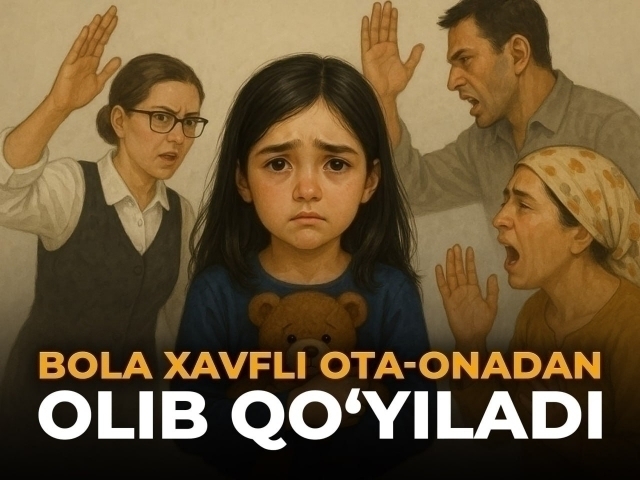
15 майдан кучга кириши кутилаётган “Болаларни зўравонликнинг барча шаклларидан ҳимоя қилиш тўғрисида”ги қонунга кўра, энди зўравонликка дуч келаётган болаларга ҳимоя ордерлари берилади. Зўравонлик қурбони бўлаётган боланинг оиласи баҳоланиб, мониторинг қилинади, зарур ҳолатда эса бола оиладан олиб қўйилиши ҳам мумкин. Шунингдек, таълим муассасаларида “тили ва қўлига ортиқча эрк берган” педагогларни соҳадан четлаштиришни назарда тутувчи лойиҳа тақдим этилмоқда.
Ушбу қонунда яна нималар назарда тутилмоқда ва Ўзбекистондаги болалар ҳуқуқларига оид статистик маълумотлар қандай? Мақолада шу ҳақда сўз бориб, муҳим саволларга мутахассисдан жавоблар олинади.
Ўзбекистондаги 14 ёшгача бўлган ҳар ўн боланинг олти нафари руҳий, уч нафари жисмоний зўравонлик остида...

2022 йилда UNICEF (Бирлашган Миллатлар Ташкилотининг болалар жамғармаси) ҳамкорлигида ўтказилган тадқиқот Ўзбекистон жамиятида баъзи зўравонлик шакллари ижтимоий жиҳатдан нормал қабул қилинаётганини кўрсатади. Тадқиқотга кўра:
- 1-14 ёшдаги болаларнинг 31 фоизи зўравонликсиз тарбия усуллари билан тарбияланади;
- 1-14 ёшдаги болаларнинг 29 фоизи ҳар қандай жисмоний жазога дучор бўлади (шундан 4 фоизи шафқатсиз жазога тортилади);
- 1-14 ёшдаги болаларнинг 60 фоизи психологик зўравонликка дучор бўлади;
- 1-14 ёшдаги болаларнинг 62 фоизи зўравонлик элементлари бўлган тарбия усулларига дуч келади;
- Болаларга ғамхўрлик қилувчи она ва бошқа шахсларнинг 11 фоизи болалар жисмоний жазоланиши керак деб ҳисоблайди.
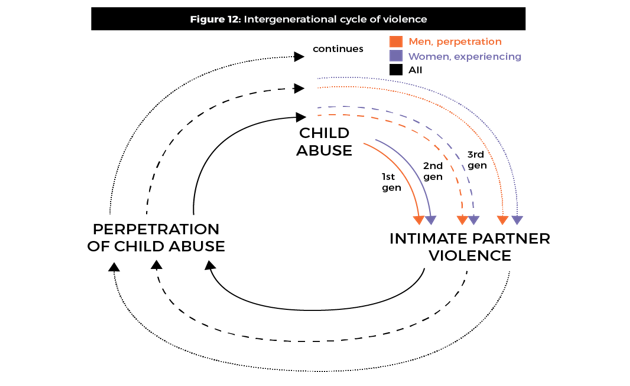
Қизиғи шундаки, сўровномада иштирок этган ўзбекистонлик аёлларнинг 40,7 фоизи айрим ҳолларда ўзига нисбатан ҳам жисмоний жазо қўлланишини оқлайди. Мутахассислар фикрича, аёлларнинг бундай фикрлашига сабаб уларнинг болаликда зўравонлик остида улғайгани ва буни нормал қабул қилишидир. Зўравонлик кўп такрорланадиган оилада улғайган болалар келажакда ўз фарзандлари ва турмуш ўртоғига нисбатан абюзерлик характерини намоён этади. Бу эса ажримлар ошиши ва зўравонлик циклининг турли кўринишда давом этишига сабаб бўлади. Шундай қилиб, жамиятда асабий ва таранг кайфият юзага келади. Муаммо илдизига назар қилинганида иқтисодий ва ижтимоий омиллар оилада зўравонлик муҳити келиб чиқишига сабаб бўлиши кўринади.
UNICEF маълумотларига кўра, глобал миқёсда ҳар 7 дақиқада бир нафар ўсмир зўравонлик оқибатида вафот этади. 176 миллион бола онасига нисбатан қилинаётган жисмоний зўравонлик гувоҳи бўлади. 15 дан 19 ёшгача бўлган қизларнинг 15 миллиони аллақачон жинсий зўравонликни бошдан кечирган. Дунё болаларининг 3/4 қисми атрофидагиларнинг “тарбия” деб аталадиган жисмоний зўравонлигига дуч келади. Буларнинг барчаси болалар ҳуқуқларининг нақадар топталаётганига исбот бўла олади.
Қандай ҳолатлар зўравонлик деб топилади?
Ўзбекистон 1994 йилдан буён Бола ҳуқуқлари тўғрисидаги конвенцияга аъзолик қилади. Бу эса мамлакатга болаларнинг барча турдаги ҳуқуқларини таъминлаш ва уларга нисбатан зўравонликнинг олдини олиш мажбуриятини юклайди. Ўтган йилнинг майида Қонунчилик палатаси болалар ҳуқуқлари ҳимоясига бағишланган яна бир қонунни қабул қилди ва ноябрда Президент Мирзиёев томонидан тасдиқланиб, 2025 йилнинг майидан кучга кириши белгиланди. 51 моддадан иборат мазкур қонун болаларни зўравонликнинг барча шаклларидан ҳимоя қилиш соҳасидаги муносабатларни тартибга солади.
Хусусан, унинг 3-моддасида шундай дейилади:
“Боланинг ҳаёти, соғлиғи, жинсий дахлсизлиги, шаъни ва қадр-қимматига ҳамда қонун билан ҳимоя қилинадиган бошқа ҳуқуқ ва эркинликларига тажовуз қиладиган, жисмоний ёки руҳий азоб етказаётган ёки етказиши мумкин бўлган ҳамда асосий эҳтиёжларига зид бўлган, шу жумладан телекоммуникация тармоқларидан ва Интернет бутунжаҳон ахборот тармоғидан фойдаланган ҳолда амалга ошириладиган, қасддан содир этиладиган ҳаракат (ҳаракатсизлик) болаларга нисбатан зўравонлик деб эътироф этилади”.
Болани олиб қўйиш...
Минтақа аҳолисининг асосий қисмини ташкил этувчи ва катта рақамларда ўсиб бораётган ўзбекистонликларга “болажон халқ” дея таъриф берилади. Аммо оилаларда бола ҳуқуқларининг қай аҳволдалигини тасаввур қилиш учун юқоридаги статистика етарли. Қолаверса, тармоқларда мавжуд кўпгина кадрлар болаларнинг эр-хотин ўртасидаги “ўзаро таъсир ўтказувчи инструмент”га айланганини кўрсатади.

Самарқандлик отанинг уч фарзандини ўлдириши, наманганлик отанинг хотини ва уч фарзандини болта билан чопиб, сўнг ўзини ёқиб юбориши, тошкентлик аёлнинг эса уч нафар фарзанди ва ўзини 9 қаватдан ташлаши каби ҳолатларнинг бирортасида болаларнинг айби бўлмаган. Буларнинг бари катталарнинг ўзаро келишмовчиликлари “маҳсули” эди. Биз гаплашаётган қонун эса бундай оилалардан болаларни олиб қўйишни назарда тутади. Унинг 28-моддасида белгиланишича, зўравонлик оқибатида бола ҳаёти ёки соғлиғига бевосита таҳдид солинганда қуйидаги чоралар кўрилади:
- зўравонлик содир этган шахсни қонунда белгиланган тартиб ва асосларда маъмурий йўл билан ушлаб туриш ҳамда процессуал мажбурлов чораларини қўллаш;
- ҳимоя ордерини бериш;
- зўравонликдан жабрланган ёки зўравонлик хавфи остида бўлган болани ота-онаси (уларнинг бири)дан ёки уни ўз қарамоғига олган бошқа шахслардан олиб қўйиш.
Шунингдек, болани олиб қўйиш борасида қонуннинг 38-моддасида ҳам сўз боради. Унга кўра, ваколатли давлат органи ҳаёти ва соғлиғи бевосита хавф остида қолган болани зудлик билан олиб қўйишга доир чора кўришга ҳақли. Шундан сўнг бола:
- бола манфаатларига мувофиқ шарт-шароитлар ярата оладиган ота-онанинг бириникига;
- боланинг қариндошлариникига;
- болага ғамхўрлик кўрсатиш истагини билдирган шахсникига;
- ваколатли давлат органининг ҳисобида турган шахсларникига;
- тиббиёт муассасасига (боланинг соғлиғида муаммолар бўлганда);
- зўравонликдан жабрланувчилар учун ихтисослаштирилган муассасаларга жойлаштирилади.
ИҲМА Қийин вазиятдаги болаларга хизмат кўрсатишни ривожлантириш ва мониторинг қилиш бошқармаси бошлиғи ўринбосари Лайло Файзимуродованинг QALAMPIR.UZ’га билдиришича, кейинги жараёнда боланинг оиласи баҳоланиб, мониторинг қилинади. Агар ота-она бола ҳаёти ёки соғлигига таҳдид солувчи шахс деб ҳисобланса, бола оиладан олиб қўйилади, зарурий ҳолларда ота-оналик ҳуқуқини чеклаш ёки ундан маҳрум қилиш бўйича ҳужжатлар йиғилади ва судга чиқарилади. Ота-оналик ҳуқуқини чеклаш ёки ундан маҳрум қилиш эса суд қарори асосида ҳал қилинади.
Ҳимоя ордери қандай ишлайди?
Мазкур қонуннинг 32-моддасида болага ҳимоя ордери бериш ҳақида сўз боради ва унда белгилаб қўйилишича, зўравонлик жабрланувчисига 30 кунлик ҳимоя ордери расмийлаштирилади. Агар таҳдид ҳали бартараф этилмаган бўлса, ҳимоя ордерининг амал қилиш муддати жиноят ишлари бўйича суд томонидан бир йилгача узайтирилиши мумкин.
Ҳимоя ордери талаблари бажарилмаган тақдирда Маъмурий жавобгарлик тўғрисидаги кодекснинг 206ˡ-моддаси (Тазйиқ ўтказган ва (ёки) зўравонлик содир этган ёхуд уларни содир этишга мойил бўлган шахс томонидан ҳимоя ордери талабларини бажармаслик)да белгилаб қўйилганидек, базавий ҳисоблаш миқдорининг бир бараваридан уч бараваригача жарима солиниши ёки ўн беш суткагача маъмурий қамоққа олинишига сабаб бўлиши мумкин.
Шу ўринда бир савол туғилади: бола унга зўравонлик қилаётган шахс билан бир том остида яшайдиган ҳолатда ҳимоя ордери қандай ишлайди? Лайло Файзимуродовага кўра, зўравонлик содир этган шахсга жабрланувчи яшайдиган уй-жой майдонидан ёки агар улар бир хонадонда доимий яшаса, унинг бир қисмидан фойдаланиш, жабрланувчининг ўқиш ёки иш жойига ёхуд у жойлашган бошқа жойларга яқинлашиш ҳуқуқи вақтинчалик чекланади.
Болага қўл кўтарган педагог соҳадан четлаштирилади
Кучга кириши кутилаётган мазкур қонуннинг 44-моддасида эса таълим муассасаларида болаларни “уриб-сўкишга” йўл қўйилмаслиги айтилмоқда.
Файзимуродовага кўра, мазкур модда ижросини таъминлаш юзасидан ИҲМА томонидан қонун ҳужжатларига ўзгартириш ва қўшимчалар киритиш бўйича лойиҳа тайёрланган. Хусусан, Маъмурий жавобгарлик тўғрисидаги кодекснинг 47-моддаси (Болаларни тарбиялаш ва уларга таълим бериш борасидаги мажбуриятларни бажармаслик)га ўзгартириш ва қўшимчалар киритилиб, “зўравон педагоглар”нинг маъмурий жавобгарликка тортилиши белгиланмоқда.
Шунингдек, лойиҳага кўра, “Мактабгача таълим ва тарбия тўғрисида”ги қонуннинг 44- (Мактабгача таълим ва тарбия тизимида меҳнат фаолиятини амалга оширишга доир чекловлар) ҳамда “Педагогнинг мақоми тўғрисида”ги қонуннинг 15-моддаси (Педагогик фаолият билан шуғулланишга оид чекловлар)га “Маъмурий жавобгарлик тўғрисидаги кодекснинг 47-моддаси билан маъмурий жавобгарликка тортилган шахсларнинг педагогик фаолият билан шуғулланиши мумкин эмас” ва “педагогик фаолият билан боғлиқ лавозимларга қабул қилиш ман этилади” каби жумлалар киритилмоқда.
Кунда-кунора ижтимоий тармоқлар муросага кела олмаётган ўқитувчи ва ўқувчи, калтакланаётган боғча тарбияланувчилари билан боғлиқ турли кадрларнинг муҳокама майдонига айланаётган бир пайтда мазкур лойиҳа тасдиқдан ўтадими, тасдиқланган тақдирда муаммони бартараф этадими ёки йўқ, ҳозирча бизга қоронғи. Аммо яқинда кучга кириши кутилаётган қонун яхшигина муҳокамаларга сабаб бўлиши аниқ.

Live
All