“Қизил байроқ” ва “яшил байроқ” тушунчалари нимани англатади?
Review
−
15 March 2025 22094 6 minutes
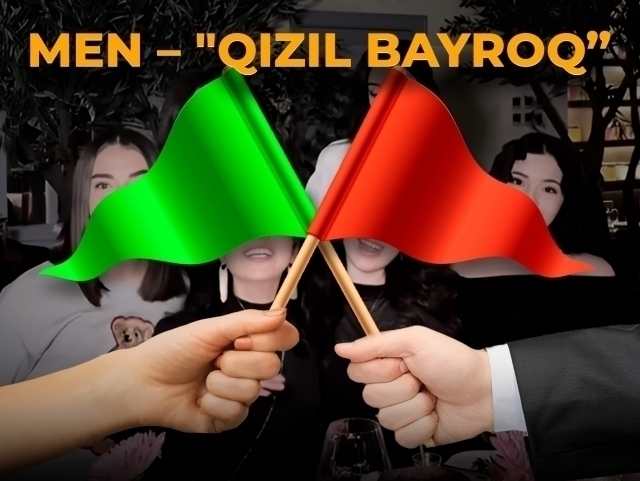
Сўнгги пайтларда ижтимоий тармоқлар орқали кенг тарқалаётган атамалар қаторида “қизил байроқ” ва “яшил байроқ” ҳам бор. Баъзида уларнинг нотўғри қўлланиши оқибатида кўпчилик бу тушунчаларга шошмашошарлик билан “қизил байроқ кўтармоқда”. Мақолада асли икки жинс вакиллари ўртасидаги муносабатларни баҳолашда фойдаланиладиган ушбу атама, унинг мазмун ва мисоллари ҳақида сўз боради.
Бундай “байроқлар” қандай пайдо бўлган?

Ушбу метафоралар дастлаб йўл ҳаракати сигнал тизимидан келиб чиққани айтилади. Буни қизил чироқ ҳаракатни тўхтатиш кераклигини, яшил чироқ эса хавфсиз давом этиш мумкинлигини англатиши асосида ишлаб чиқилган қарашлар дейиш мумкин. Бу тизим муносабатлар ва руҳий саломатлик контекстида жуда тез оммалашди. Айниқса, психолог ва коучлар одамларнинг соғлом ва носоғлом хатти-ҳаракатларини ажратишда улардан кенг фойдаланишни бошлади. Кейинчалик ижтимоий тармоқларда оммалашиб кетган ва ҳозирда Ўзбекистонда ҳам кенгаймоқда. Хўш, ўзи бу икки "байроқли тушунчалар" нимани англатади?
“Қизил байроқ” – хавфли сигналлар

Маълумки, барча замонларда қизил рангдан огоҳлантирувчи белги ўлароқ фойдаланилган. Шундан келиб чиқиб, бу ибора муносабатларда томонларнинг салбий хатти-ҳаракатлари ёки ҳиссий зарар етказиш эҳтимолини ифодалайди. Хорижий нашрларда ёзилишича, кўпгина сифатларни “қизил байроқ” деб ҳисоблаш мумкин. Қуйида уларнинг бир қанчаси мисол тариқасида келтирилади:
- Манипуляция – ҳамма нарсани ўзига бўйсундириш, шерикнинг қарорларига таъсир ўтказиш.
- Ҳаддан ташқари рашк ва назорат – доимий ишончсизлик, шахсий чегараларни босиб ўтиш.
- Ҳаддан ташқари тез яқинлашиш – қисқа вақт ичида чуқур муносабат ўрнатишга ундаш.
- Коммуникация муаммолари – муаммоларни очиқ муҳокама қилмаслик, гаплашиш ўрнига жим бўлиб юриш ёки агрессив жавоб қайтариш.
- Ҳаддан ташқари танқид ва ҳурматсизлик – шерикнинг ҳис-туйғуларини назарга илмаслик, камситиш.
- Ўз хатосини тан олмаслик – муаммолар учун доим бошқаларни айблаш.
- Пассив тажовуз – доимий шикоят қилиш, лекин муаммони ҳал қилишга интилмаслик.
“Қизил байроқ”лар эътиборсиз қолдирилса, келажакда жиддий муаммолар келиб чиқиши мумкин.
“Яшил байроқ” – соғлом муносабат белгилари

Яшил ва қизил ранглари светофорда қандай қарама-қарши маънога эга бўлса, “яшил байроқ” ҳам “қизил байроқ”нинг шундай тескарисидир. У шерикнинг ижобий фазилатларини, масалан, меҳрибон ёки эътиборлилигини билдиради. Америкалик психолог Маршалл Бертрам Розенберг ўзининг “Зўравонликсиз коммуникация” китобида қуйидаги кабиларни “яшил байроқ” сифатлар деб атайди:
- Очиқ ва самимий мулоқот – фикр алмашиш ва тушуниш истаги.
- Ўзаро ҳурмат – шерикнинг шахсий чегараларини қадрлаш.
- Ишонч ва садоқат – шубҳа ва ортиқча рашкдан ҳоли бўлиш, бир-бирига ишониш.
- Қўллаб-қувватлаш – шерикнинг шахсий ривожланиши ва орзуларига етишида қўллаш.
- Тўғри танқидни қабул қилиш – ўз хатоларини тан олиш ва улардан сабоқ чиқариш.
- Ҳиссий барқарорлик – можароларни ҳис-туйғуларни бошқариб, ҳал қилиш.
“Parents” нашрига кўра, баъзи ота-оналар бу атамани тарбия воситаси сифатида қўллаб, фарзандига қандай бўлиш кераклиги ҳақида ўргатади.
Анъанавий қараш ва замонавий тушунчалар тўқнашуви

Ўзбекистонда “қизил байроқ” ва “яшил байроқ” тушунчалари ҳали кенг оммалашмаган бўлса ҳам, уларнинг қўлланилиши ортиб бормоқда. Лекин кўп ҳолларда муносабатлар оилавий қадриятлар асосида баҳоланади. Кўпчилик “қизил байроқ”лар рўйхатидаги баъзи ҳолатларни оддий қабул қилади. Бундай белгилар кўриниб турса ҳам, ижтимоий босим каби сабабларга кўра, уларни эътиборсиз қолдиради.
Шу билан бирга, бир қанча блогерларнинг билиб-билмай, мазкур тушунчаларни хато қўллаши, кўрсатиши ёки ҳаддан ошириши оқибатида ўзбекистонлик ижтимоий тармоқ фойдаланувчиларида бир қанча нотўғри қараш ва бундай тушунчаларга нисбатан тоқатсизлик пайдо бўлаётганини кўриш мумкин. Худди шундай ҳолат “феминизм” ва “гендер тенглиги” тушунчаларида ҳам учрайди. Яъни бошқаларга таъсир ўтказиши мумкин бўлган шахс (бир қанча медиа вакиллари, блогер, психолог ва коуч)ларнинг бундай атамаларни нотўғри ёки бўрттирилган ҳолда талқин қилиши кузатувчиларда тоқатсизлик келиб чиқишига сабаб бўлмоқда. Шунингдек, “Huffpost” нашрида келтирилишича, глобал миқёсда мазкур атамалар борасида қуйидагича нотўғри қарашлар шаклланган:
“Қизил байроқ”– дарҳол тарк этишни англатади. Аслида, бу тарк этиш керак дегани эмас, огоҳлантиришдир. Кўпинча муаммо гаплашиб олиш ва тушуниш орқали ҳал қилиниши мумкин. Муҳими – шерикнинг муаммони тан олиб, уни тузатишга тайёрми ёки йўқлигини билиш.
Ҳар бир кичик келишмовчилик – “қизил байроқ”. Нариги томон бир марта ёқмайдиган гапни айтиши ёки хатога йўл қўйиши бу дарҳол “қизил байроқ” бўлиб қолмайди. Одамлар идеал эмас, камчиликлар ҳаммада бор. Муҳими – бу хатолар мунтазам такрорланадими, уларни тўғрилашга ҳаракат қилиняптими ёки йўқлигини билиш.
“Яшил байроқ” – идеал муносабат! “Яшил байроқ” муносабатларда ҳеч қачон муаммо бўлмаслигини англатмайди. Ҳар қандай муносабатда тушунмовчилик ва келишмовчиликлар бўлиши табиий. Муҳими – муаммолар қандай ҳал қилиниши ва шерикнинг ҳурмат сақлай оладими ёки йўқлигини билиш.
Ижтимоий тармоқлардаги “қизил байроқ”лар ҳамма учун мос! Жуфтингизда блогерлар санаган “қизил байроқ” белгилари борлиги сизнинг нотўғри муносабатда эканингизни англатмайди. Ҳар бир инсоннинг ўз дунёқараш ва қадриятлари мавжуд. Масалан, кимдир рашкни “қизил байроқ” деб ҳисоблаши, бошқалар эса буни бўлиши лозим ҳиссиёт деб қабул қилиши мумкин. Муҳими – чегараларни белгилаш орқали муаммони ҳал қилиш.
“Олтин ўрталик” қаерда?

Шу ўринда савол туғилади: бир кишида бир неча “қизил ва яшил байроқ”лар бўлгани ҳолда, унинг шахсиятини қандай аниқлаш мумкин? Бу савол муносабатларда мувозанатни тушуниш учун жуда муҳим ҳисобланади. Ҳар бир инсонда яхши ва ёмон хислатлар бўлиши табиий. Муҳими, “қизил ва яшил байроқ”лар қанчалик жиддий, мунтазам ва ўзаро таъсирчан эканлигини баҳолашдир.
"BetterUp" платформаси коучлари бунда ҳаммаси байроқларнинг аҳамиятига боғлиқлигини айтади. Масалан, агар кимдир 3-4 та “енгил қизил байроқ”га эга бўлгани ҳолда уларни тушуниш ва ўзгартиришга тайёр бўлса, муносабатлар соғлом бўлиши мумкин. Аммо агар битта ва жуда “жиддий қизил байроқ” бўлса (масалан, зўравонлик ёки мутлақо ҳурматсизлик) “яшил байроқ”лар қанча бўлишидан қатъи назар, бу узоқ ўйлаб кўрилиши керак бўлган огоҳлантирувчи сигнал ҳисобланади.
Ёки бўлмаса “яшил байроқ”ларни олсак, шерикда бундай белгиларнинг кўплиги идеал муносабатларни кафолатламайди. Масалан, у садоқатли, ғамхўр ва сахий бўлиши, лекин шу билан бирга, жуфтини манипуляция қилиши ёки шахсий қарашларини ҳурмат қилмаслиги ҳам мумкин.
Шунингдек, айтиб ўтиш мумкинки, “қизил байроқ” ва “яшил байроқ” белгилари универсал эмас. Ҳар бир шахснинг индивидуал қарашларидан келиб чиқиши ҳам мумкин. Агар томонлар ўзаро камчиликларни тўғри қабул қилгани ҳолда, бир-бирини ҳурмат қилса, ҳар қандай муаммони ҳал қилиш мумкин.
Қолаверса, бошқалардан “яшил байроқ” ахтариб, идеалликни қидиришдан кўра, шундай талабларни ўз-ўзига нисбатан қўйиш ва комилликка интилиш кўпроқ фойдали бўлади. Лекин бу дегани “яхши муносабатга лойиқ бўлишинг керак” деган токсик қарашларни келтириб чиқармаслиги лозим.

Live
All23 October