Эрсин Татар Қозоғистон, Қирғизистон, Туркманистон ва Ўзбекистонни огоҳлантирди
World
−
16 April 2025 48458 5 minutes
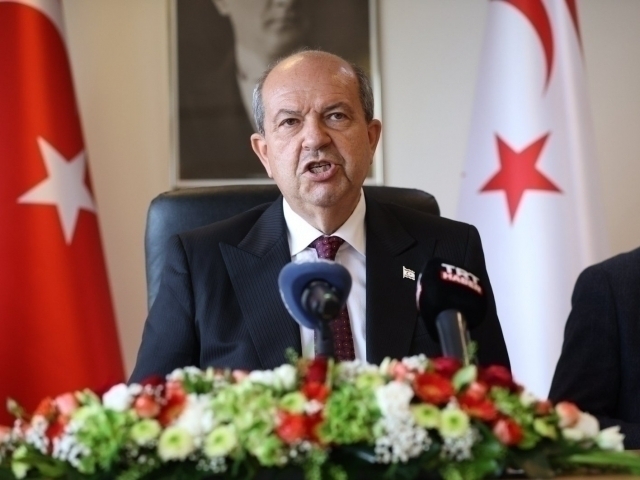
Туркиядан бошқа давлатлар томонидан тан олинмаган Шимолий Кипр Турк Республикаси (ШКТР) президенти Эрсин Татар Туркий Давлатлар Ташкилотига (ТДТ) аъзо бўлган баъзи давлатларнинг Европа Иттифоқи билан тузган келишувлари нормал эканини, ҳар бир давлат бошқа давлат ёки уюшмалар билан ўз манфаатлари нуқтаи назаридан келиб чиқиб муносабат ўрнатишини айтди. У бу ҳақда кеча, 15 апрель куни Туркия саёҳат агентликлари уюшмаси вице-президенти Давут Гюнайдин бошчилигидаги делегацияни президентлик қароргоҳида қабул қилиш жараёнида сўз очган.
Учрашувда журналистларнинг саволларига жавоб берган Эрсин Татар жорий йилнинг 3-4 апрель куни Самарқандда ўтган Марказий Осиё – Европа Иттифоқи биринчи саммити декларациясида томонлар Шимолий Кипр Турк Республикасини тан олмаслик ва ҳамкорлик қилмаслик бўйича келишувга имзо чекканига эътибор қаратган, деб ёзмоқда “Анадолу” агентлиги.
“Бу ҳолат, эҳтимол, улар Европа Иттифоқи билан муносабатлари контекстида бундай жараёнга кирганлари учун юзага келган. Бу нормал ҳолат, ахир, бу мамлакатлар Европа Иттифоқи билан турли хил лойиҳаларга эга ва хусусий сектор ҳамда давлат нуқтаи назаридан ўз манфаатлари ва фойдалари бор. Таъкидланганидек, молиявий лойиҳалар, молиявий ҳиссалар, шунингдек, Европа Иттифоқи уларни турли тижорат ўлчовларида тақдим этиши мумкин бўлган тижорат имкониятлари мавжуд”, дейди Татар.
У, Шимолий Кипр Турк Республикасининг барча ТДТга аъзо давлатларга нисбатан севги ва меҳр-муҳаббати борлигини ва ўз мамлакатининг бир хил маданият ва тилда сўзлашувчи давлатлар иттифоқида бўлишидан муҳимроқ нарса бўлмаслигини билдирди.
Татарга кўра, бугунгача Шимолий Кипр Турк Республикасининг Қозоғистон, Ўзбекистон, Қирғизистон, Туркманистон ва ТДТ доирасидаги бошқа аъзо давлатлар билан алоқалари ривожланиб бормоқда. Шу вақтгача бу минтақада бундай алоқаларга эга бўлмаган Европа Иттифоқининг эса бугунги кунда ушбу шартномани тузишдан асосий мақсади 2022 йилдан бери ТДТга кузатувчи сифатида кирган Шимолий Кипр Турк Республикасининг йўлига тўғоноқ бўлишдир.
Президент Эрсин Татар, Кипр билан боғлиқ Турк тезисининг ягона ечими орада икки давлат бўлиши кераклигини тушунтириб, туркий давлатларининг юнонлар билан алоқа ўрнатганлари каби Шимолий Кипр Турк Республикаси билан ҳам алоқа ўрнатишини кутганликларини ифода этди.
Татар, шунингдек, Қозоғистон, Ўзбекистон, Қирғизистон ва Туркманистоннинг Европа Иттифоқи билан имзолаган сўнгги келишувига БМТнинг ШКТРни тан олмаслик ва ҳамкорлик қилмаслик бўйича резолюцияси туркий давлатлар томонидан эътибордан четдан қолдирилган бўлиши мумкинлигига ишора қилган.
“Бу моддаларнинг натижаси қаерга олиб боришини, кимга ва қандай оқибатларга олиб келишини билишадими?", деган саволни кўндаланг қўйган Татар.
Европа Иттифоқи билан келишувнинг туркий давлатлар учун фойдали бўлишини тилаган президент Татар қуйидагиларни қўшимча қилган:
“Туркий давлатлар Греция томони билан муносабатларида бироз эҳтиёткор бўлишлари керак. Улар Европа Иттифоқи билан алоқада бўлиши мумкин. Европа Иттифоқи иттифоқдир, лекин у 800 минг аҳолиси бўлган юнонлар суверенитети остида эмас. Туркий давлатлар ҳам Кипр юнонлари билан алоқа ўрнатиши мумкин, аммо улар эҳтиёт бўлишлари керак, чунки Кипр юнонлари ўйнаган ўйин бутунлай бошқача. Аслида, греклар ўйнаётган ўйин ғайриинсонийдир. Румларга Кипр Турк халқининг ҳуқуқ ва қонунлари туркий давлатлар томонидан рўйхатга олинмагунча кутишлари айтилиши керак. “Келишув бўлганидан кейин яна кўришамиз”, қабилида муомала қилиниши керак, менимча”, дейди Татар.
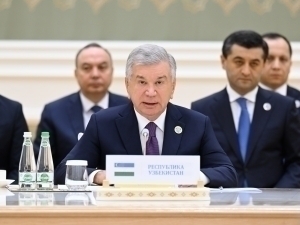
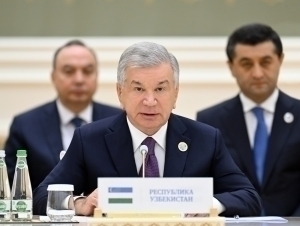
Эслатиб ўтамиз, жорий йилнинг 3-4 апрель кунлари Марказий Осиё – Европа Иттифоқи биринчи саммити бўлиб ўтди. Саммит якунлари бўйича Қозоғистон Республикаси Президенти Қосим-Жомарт Тўқаев, Қирғиз Республикаси Президенти Садир Жапаров, Тожикистон Республикаси Президенти Имомали Раҳмон, Туркманистон Республикаси Президенти Сердар Бердимуҳамедов, Ўзбекистон Республикаси Президенти Шавкат Мирзиёев, Европа кенгаши президенти Антониу Кошта, Еврокомиссия президенти Урсула фон дер Ляйен, Европа тикланиш ва тараққиёт банки президенти Одиль Рено-Бассо томонидан қабул қилинган баёнотнинг 4-бандида айтилишича, барча давлатларнинг суверенитети ва ҳудудий яхлитлигига халқаро ва минтақавий доирадаги ҳар қандай форумларда ҳурмат кўрсатиш, шунингдек, бу тамойилларга зид ҳаракатлардан тийилиш мажбурияти олинган.
“Худди шу руҳда, БМТ Хавфсизлик Кенгашининг 541(1983) ва 550(1984)-сонли резолюцияларига содиқлигимизни яна бир бор тасдиқладик. Минтақавий ҳамкорлик тузилмалари доирасида иштирок этишда ушбу халқаро тамойилларга риоя қилиниши кераклигини таъкидладик — бу эса ЕИ ва Марказий Осиё ўртасидаги муносабатлар ривожида муҳим аҳамиятга эга. Шу муносабат билан Туркманистон ўзининг халқаро мажбуриятларини доимий бетарафлик мақоми тамойилларига қатъий мувофиқ амалга оширишини эслатди”, дейилган баёнотнинг айнан 4-бандида.
541 ва 550 резолюциялар эса Шимолий Кипр Турк Республикасини тан олмаслик, улар билан ҳамкорлик қилмасликни англатади. Бундан кўринадики, Марказий Осиёнинг Туркий давлатлар ташкилотига аъзо бўлган 3 давлати – Қозоғистон, Қирғизистон, Ўзбекистон ва кузатувчи давлат мақомида қолаётган Туркманистон ўзи билан бир тузилма, яъни Туркий давлатлар ташкилотида бўлиб турган ШКТР билан бир стол атрофида тўпланса-да, уни рад этади.
Шимолий Кипр Турк Республикасининг ҳуқуқий мақоми
Кипр оролининг Грецияга қўшилиши тарафдорлари томонидан амалга оширилган давлат тўнтариши натижасида 1974 йилда Туркия қуролли босқинидан бери этник жиҳатдан иккига бўлинган. Ҳарбий ҳаракатлар натижасида Кипр ҳудудининг тахминан 37 фоизи Туркия назорати остида бўлиб, Шимолий Кипр – 1983 йилда ташкил топган ва жаҳон ҳамжамиятида фақат Анқара томонидан тан олинган. Туркия Шимолий Кипрда 40 минг кишилик ҳарбий контингентни сақлаб турибди. Оролнинг жанубий қисми асосан Кипр юнонлари яшайдиган Кипр Республикаси назорати остида қолган.
Шимолий Кипр Турк Республикаси Туркиянинг иқтисодий, сиёсий ва ҳарбий ёрдамига жуда боғлиқ. Кипр Республикаси ва БМТ уни босқинчи куч деб ҳисоблайди. Шимолий Кипр Турк Республикаси номини олган тузилма Туркий давлатлар ташкилоти ва Ислом Ҳамкорлик Ташкилотига кузатувчи сифатида аъзо.
Шимолий Кипр Турк Республикаси аҳолиси тахминан 294 906 киши бўлиб, 3355 км² майдонда яшайди. Аҳолининг катта қисмини этник турклар ташкил этади. Уларнинг анклавларида Кипр юнонлари ва ливанлик маронитлар ҳам яшайди. Шимолий Кипр Республикаси пойтахти – Кипр Республикаси ва Шимолий Кипр Республикаси ўртасида бўлинган Лефкоса (Никосия) шаҳри.
Шимолий Кипр Турк Республикаси Кипрнинг қолган қисмидан буфер зона билан ажратилган. Оролни икки секторга ажратувчи чизиқ Кипрдаги БМТ тинчликпарвар кучлари контингенти томонидан қўриқланади.

Live
All