Энди туманларда бошқарув тизими ўзгаради
Local
−
16 June 2025 15434 3 minutes
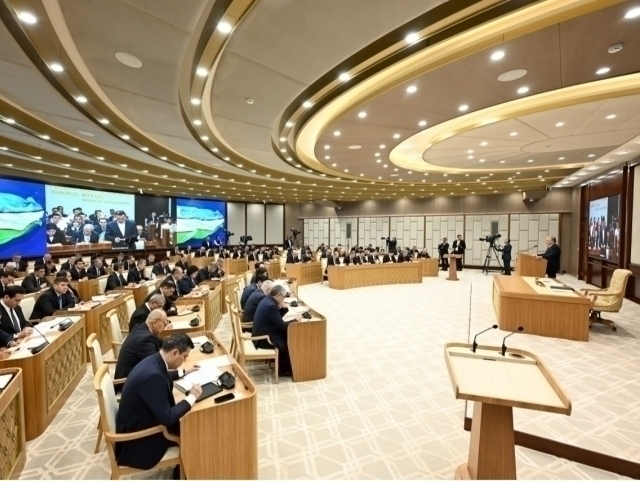
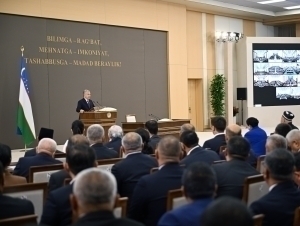
Эндиликда туманда иш ҳам, ёндашув ҳам, бошқарув тизими ҳам ўзгариши белгиланди. Бу ҳақда бугун, 16 июнь куни амалга оширилаётган ислоҳотлар натижадорлиги, ҳудудларда ишларнинг бориши, аҳолини ўйлантираётган масалаларга ечим топиш юзасидан Президент Шавкат Мирзиёев раислигида ўтказилаётган видеоселектор йиғилишида маълум қилинди.
Бу тизим йил якунигача Сурхондарёда тўлиқ, қолган ҳудудларда жадал ривожлантириш белгиланган 15 та туман ва шаҳар - Қўнғирот, Чимбой, Асака, Ғиждувон, Ғаллаорол, Яккабоғ, Хатирчи, Чортоқ, Булунғур, Сирдарё, Қува, Шовот, Ҳазорасп туманлари, Марғилон ва Янгийўл шаҳарларида, Тошкент шаҳрида эса Бектемир туманида жорий қилинади.
Президент Администрацияси ва Ҳукумат вакиллари ҳамда вилоят ҳокимлари бунга масъул бўлади.
Президент янги тизимни Сирдарё тумани мисолида тушунтириб берди. Жумладан, комплекс ривожлантиришга масъул 9 та вазирликнинг туман бўлими ҳокимлик тизимига ўтади. Булар – иқтисодиёт ва молия, инвестиция, қишлоқ хўжалиги, бандлик, қурилиш, экология, маданият, оила ва хотин-қизлар, ёшлар бўлимлари.
Туман ҳокими ҳокимлик ва ушбу 9 та идорадаги штатларни ўзи тақсимлаб, қайси бўлимда нечта одам ишлашини, ишга олиш-бўшатишни ўзи ҳал қилади.
Сирдарё тумани ихтиёрида қоладиган маблағлар манбаси кўпайтирилади. Масалан, маъмурий ва молиявий жарималар, солиқ текширувлари бўйича пеня, тоифаси ўзгарган қишлоқ ерлари учун нобудгарчилик компенсацияси, ўрмон ерлари ҳудудларини ижара тушумлари, кўрсатилган давлат хизматларидан тушган маблағларнинг бир қисми туманда қолади. Бундан туманга йилига қўшимча 12 миллиард сўм тушади.
Эндиликда ҳокимда 4 нафар ўринбосар бўлади. Ривожланиш режасига қараб, қайси масалада ўринбосари бўлишини ҳокимнинг ўзи белгилайди. Мисол учун, Сирдарё тумани ҳокими келгуси уч йилда туризм, сервис ва логистикани туманни асосий драйвери сифатида кўраяпти. Шу боис, унинг иқтисодиёт бўйича 1-ўринбосари бир вақтни ўзида туризм, сервис ва логистикага масъул бўлади. Унга 10 та аниқ вазифа юклатилиб, ҳар бир вазифа ва функцияси маблағи билан мустаҳкамланади.
Худди шундай, ҳоким ва қолган 3 нафар ўринбосарига ҳам аниқ вазифалар молиявий таъминоти билан белгилаб берилади. Ҳоким, унинг ўринбосарлари KPIни тўлиқ бажарса, кейинги йил ҳудудга бериладиган маблағ 10-15 фоиз кўпайтирилади. Аксинча бўлса, маблағ оширилмайди ва масъул раҳбар ишдан кетади.
“Бир нарсани тўғри тушуниб олиш зарур. Туман бўғини самарали ишламаса, юқоридан қандай топшириқ туширилмасин, кўзланган мақсадларга эришиб бўлмайди”, деди Президент.
Масалан, тумандаги ходимнинг ойлиги вазирликка қараганда 3-4 карра кам бўлгани учун кадрлар қўнимсизлиги юқори экани қайд этилди.
Туман ҳокимига юздан ортиқ қонун ва қарорлар билан 500 га яқин функция юклатилгани билан, уларнинг ярмидан кўпини билмайди. Чунки ўзи ҳам, ўринбосарлари ҳам 40 фоиз вақтини йиғилиш ўтказишга сарфлаяпти.
Туман ташкилотлари штатини тақсимлаш, яхши раҳбарни рағбатлантириш, ёмонини алмаштириш бўйича ҳокимда ваколат йўқ. Қуйи бўғиндаги штатлар ҳудудни ижтимоий-иқтисодий ривожлантириш мақсадига мос эмас. Тумандаги комплекс ривожланишга масъул бирорта идора 3-5 йиллик мақсад ва режалар дастурини қилиб, ҳоким олдига масала қўя олмаяпти, кунлик топшириқлар билан овора. Шу боис, айрим туманларда тайёр берилган ресурсга ҳам лойиҳа топилмаяпти.

Live
All23 October