Энди Green Card ўйнаш пулли бўлади
World
−
17 September 2025 15211 3 minutes
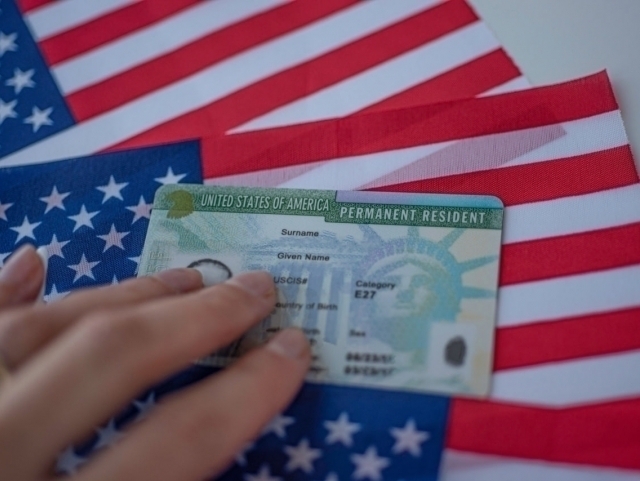
АҚШ Давлат департаменти 2025 йил 16 сентябрдан бошлаб Диверсификация визаси (DV Lottery) ёки “Green Card лотереяси”да иштирок этувчи барча шахслар $1 электрон рўйхатдан ўтиш тўловини тўлаши шарт бўлишини эълон қилди. Бу биринчи марта иштирокчилардан йиллик лотереяда иштирок этиш учун ҳақ олинишидир.
Билдирилишича, бу ўзгаришнинг мақсади – DV лотереяни бошқариш харажатларини фақат танланган кам сонли аризачилар эмас, балки барча иштирокчилар ўртасида тенгроқ тақсимлашдир. Янги сиёсат 2027 йил DV лотереяси рўйхатга олиш жараёни олдидан кучга киради.
Янги тўлов ҳақида асосий маълумотлар:
- $1 рўйхатдан ўтиш тўлови:
- Барча иштирокчилар АҚШ ҳукуматининг расмий сайтида электрон ариза топшириш пайтида 1 доллар тўлайди. Тўлов махсус ҳукумат портали орқали амалга оширилади.
- Ариза тўлови ўзгармайди:
- Танланган аризачилар учун $330 DV ариза тўлови шу ҳолатда қолади. Бироқ, аввал шу тўлов ичида қопланган баъзи маъмурий харажатлар энди рўйхатдан ўтиш тўлови орқали қопланади.
- Қайтарилмайдиган тўлов:
- Рўйхатдан ўтиш тўлови натижадан қатъи назар қайтарилмайди. Ундан кейинги йилларга ўтказиш мумкин эмас.
DV лотереяси ҳар йили тарихан АҚШга кам миграция қилган мамлакатлардан 55 000 тагача виза беради. Охирги йилларда аризалар сони ўн миллионлар бўлиб, бу ҳукумат учун катта маъмурий харажатларга олиб келган.
DOSга кўра, янги тузилма йилига тахминан 25 миллион иштирокчи орқали дастур харажатларини қоплайди. Бу ўзгариш DV лотерея иш жараёнлари учун йилига тахминан 25 миллион доллар қўшимча маблағ келтириши кутилмоқда (система янгиланиши, маълумотлар тўплаш ва хавфсизлик текширувлари учун).
Шунингдек, тўлов кўплаб сохта аризалар юборувчи фирибгарларни камайтиришга ёрдам бериши мумкинлиги таъкидланди.
Бу ўзгариш АҚШ миграция хизматлари бўйича умумий тўловларни ошириш тенденциясининг бир қисми. Харажатларнинг катта қисми эндиликда аризачилар зиммасига юкланмоқда. DOS кутганидек, янги тўлов сабаб иштирокчилар сони бироз камайиши мумкин, бу эса иштирокчиларнинг имкониятларини яхшилайди. Дастур хавфсизлигини ошириш, самарадорликни яхшилаш ва қайта ишлаш муддатларини қисқартиришга йўналтирилади.
Миллионлаб инсонлар учун бу сиёсат янги молиявий тўсиқ ҳисобланади. Айрим мамлакатларда электрон тўлов тизимларига кириш имконияти чекланганлиги ёки валюта айирбошлаш харажатлари сабаб муаммолар юзага келиши мумкин.
Дастурнинг мақсади – миграцияда турлиликни ошириш бўлгани учун ҳатто кичик тўлов ҳам кам ривожланган минтақалардан қатнашишни чеклаши мумкин.
Янги $1 тўлов кичик бўлса-да, аҳамиятли ўзгариш ҳисобланади. У дастур самарадорлигини ошириши ва сохта аризаларни камайтириши мумкин, бироқ, шу билан бирга кам ресурсга эга мамлакатлардан иштирок этишда кичик тўсиқ яратади.
АҚШ миграция сиёсати ўзгариб бораётгани сабабли, шундай янги тартибларни кузатиб бориш муҳим.

Live
AllOhangaronda o'qituvchi o'quvchini kaltakladi
22 October
Avstraliyada kuchli yomg'ir yog'di
22 October