“Электрон рецепт тушимизга ҳам кириб чиқди”. Вазир янги тизим жорий этилишига оид даҳшатли фактларни очиқлади (видео)
Local
−
23 December 2025 17962 5 minutes
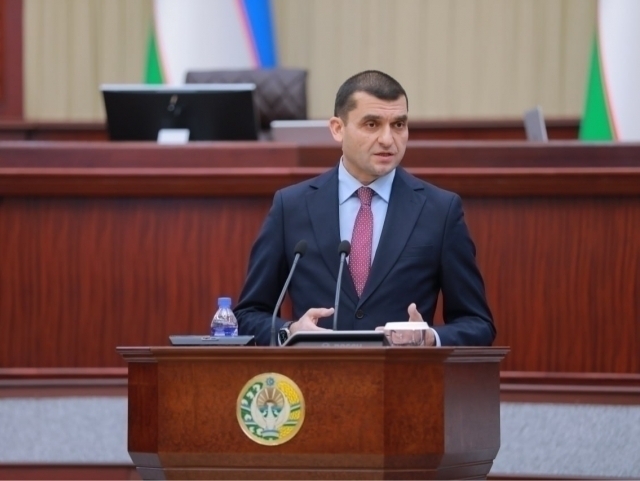
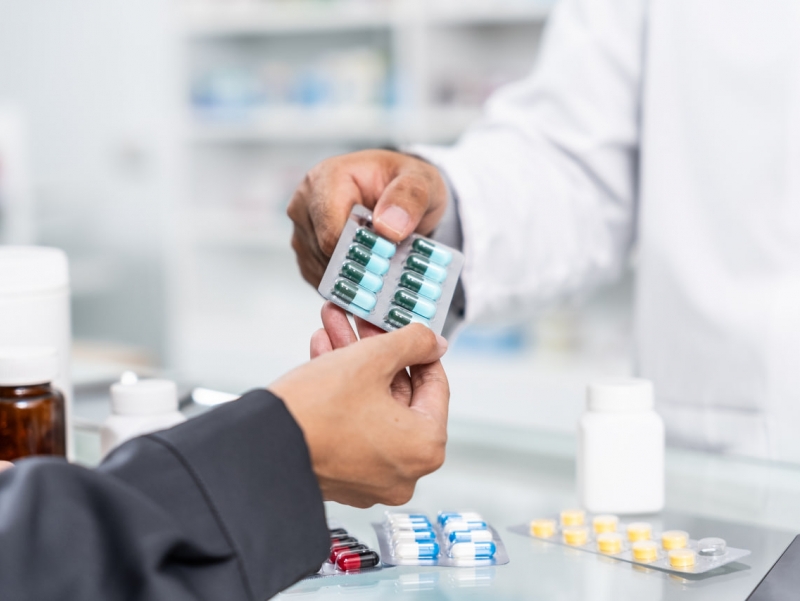
Бугун, 23 декабрь куни Олий Мажлис Қонунчилик палатасида Соғлиқни сақлаш вазири Асилбек Худоёровнинг “Соғлиқни сақлаш соҳаси бўйича қабул қилинган ривожлантириш дастурларида белгиланган вазифаларнинг ижроси тўғрисида”ги ахбороти эшитилди. Йиғилишда депутатлар вазирга қатор саволлар йўллади.
Хусусан, Либерал-демократик партия фракцияси аъзоси Маъруфжон Раҳмонoв электрон рецепт тизимини жорий этиш учун қандай шароитлар яратилгани, кексалар ва чекка ҳудудларда яшовчи аҳоли ушбу тизимдан қандай фойдаланиши, интернет алоқаси узилган ҳолларда дориларни харид қилишда фуқароларнинг ҳақли эътирозларининг қандай олди олиниши юзасидан савол берди.
Вазир Асилбек Худоёров электрон рецепт жорий этилиши “хайрли иш” эканини таъкидлаб, сўнгги кунларда мазкур масала вазирлик фаолиятининг асосий мавзусига айланганини айтди.
“Бундай саволни кутган эдим, чунки бир ҳафта, 10 кун давомида бу масала тушимизга ҳам кириб чиқди. Бу жуда хайрли иш. Кўпчилик ёзди ва бизларни айблаб, Европа давлатларига тенглаша олмаймиз дейишди. Биринчи қилинган нарса дориларни ножўя таъсирини олдини олишга қаратилган”, деди вазир.
Унинг маълум қилишича, 2025 йилнинг ўзида дори воситаларини шифокор тавсиясисиз қабул қилиш оқибатида 24 мингдан ортиқ мурожаат қайд этилган. Шундан 418 ҳолатда анафилактик шок, 7,017 ҳолатда эса дори билан заҳарланиш ташхиси қўйилган. Фақат Тошкент шаҳрининг ўзида 741 та ҳолат қайд этилган.
Шунингдек, дори воситалари орқали ўз жонига қасд қилиш ҳолатлари ҳам мавжуд. Жорий ҳисобот даврида Республика шошилинч тиббий ёрдам илмий марказига 2 500 нафар бемор мурожаат қилган бўлиб, уларнинг 1 500 нафари айнан дори қабул қилиш орқали жонига қасд қилишга уринган. Шу билан бирга, тизим шифокорларнинг масъулиятини оширади ва уларнинг барча тайинловлари электрон база орқали кузатиб борилади.
“Мисол учун туғуруқхоналарни оладиган бўлсак, ўртача 120 турдаги дори воситалари, тиббий буюмлар давлат томонидан бепул бериладиган пайтда, уларнинг 70 фоизи, яъни 85 таси рецепт билан бериладиган дорилар ҳисобланади. Бугунгача шифохонада дори мавжуд, бюджет томонидан таъминланган бўлса-да, шифокорлар томонидан беморларга ҳеч қандай тўсиқсиз шифохонада мавжуд бўлган, кафолатланган пакетдаги дори восита ҳам ёзиб берилиши ҳолатлари бўлган”, деди вазир.
Бундан ташқари, шифокор ва фармацевтика компаниялар ўртасидаги коррупцияга барҳам берилади. Электрон рецептда фақатгина дорини халқаро номи ёзилади, савдо номи ёзиш имконияти чегараланади. Бу норасмий келишувларнинг имкониятини чегаралайди. Электрон рецептда клиник протоколлар асосида бештагача дори ёзиш мумкин бўлади, бештадан ортиқ дори ёзиладиган бўлса, консилиум натижасида асослантириш шарт экани белгиланади.
“Албатта, маълум бир фоиз шифокорлар бу нарсанинг бош оғриғидан хоҳламай, орқага қайтишга мажбур бўлади. Шифокорларни тўғри ташхисни қўйиш, рецепт ёзишда масъулияти жавобгарлиги ошади. Яъни ҳар бир дори шифокор томонидан тайинланиши керак. Шифокор доимий рақамли кузатув объектига айланади. Шифокорларни мавқеини оширади. Беморга ташхисни даволаш тавсиясини дорихона эмас, дорихоначи эмас, айнан шифокор тайинлаши керак. Бизга номаълум бўлган шахс ўтириб, сизга бош оғриғига дори тавсия қилади. Чек қўйиш керак бу нарсага”, деди Худоёров.
Шу билан бирга, электрон рецепт тизими давлат учун илгари мавжуд бўлмаган маълумотлар базасини шакллантиради. Касаллик, шифокорлар тайинлови, узлуксиз таққосланадиган ҳудудларга боғланган ахборот оқими, дорининг ноқонуний айланмаси билан биргаликда эҳтиёжни аниқлаш, яъни кейинги йилга аҳоли учун бюджет томонидан кафолатланган қайси дорини кўпроқ сотиб олиш кераклиги бўйича эҳтиёж электрон базада пайдо бўлади. Рекламалар таъсири камаяди.
Вазир интернет ёки электр узилишлари ҳолатида электрон рецепт қандай ишлаши бўйича ҳам тушунтириш берди. Унга кўра, техник носозликлар юз берганда, антибиотик ва гормонал дорилардан ташқари воситаларни вақтинча қоғоз шаклида беришга рухсат этилади. Бироқ тизим тиклангач, барча маълумотлар албатта электрон базада қайд этилади.
Шунингдек, вазир айрим дорихона ходимлари томонидан тизимни нотўғри талқин қилиш ва электрон рецепт талаб этилмайдиган дориларни ҳам сотишдан бош тортилган ҳолатлар кузатилганини очиқ айтди.
“Дорихоналарда аҳоли томонидан жуда катта эътироз бу даражада бўлгани йўқ. Шикоятлар бўлди, лекин у даражада резонанс бўлгани йўқ. Лекин биз ўзимизга хулоса қилдик. Аммо бу йўлдан қайтилмайди. Буни манфаатли томонини жамият учун, одамларнинг хавфсизлиги учун фойдаларини айтиб ўтдик. Лекин эҳтиёткорлик билан қиламиз. Энди тиббиёт ходимлари ўқитилди”, деди Асилбек Худоёров.
Унинг сўзларига кўра, кексалар ва оғир аҳволдаги беморлар учун патронаж тизими кучайтирилган, сурункали касалликка чалинган беморларга эса олдиндан электрон рецепт расмийлаштириш амалиёти йўлга қўйилган. Шу билан бирга, вазир айрим ҳудудларда интернет тезлиги, техник хизмат ва тиббиёт ходимларининг рақамли кўникмалари билан боғлиқ муаммолар мавжудлигини тан олди ва улар босқичма-босқич бартараф этилишини билдирди.
“DMED ахборот тизимида аҳоли фойдаланиши қулай бўлган мобил илова яратилган бўлиб, ушбу иловадан фойдаланиш бўйича патронаж ҳамширалари томонидан кўрсатма берилади. Қарияларнинг аксарияти ҳозир интернет тизимидан фойдаланиш, мобил воситалардан фойдаланиш бўйича жуда ҳам фаол. Керак бўладиган бўлса, поликлиника ёрдам беради. Лекин шу билан биргаликда, мен камчиликни ҳам айтишим керак, айрим ҳудудларда ахборот қурилмаларидан фойдаланиш, самарадорлигини ошириш, уларга техник хизмат кўрсатиш тизимини йўлга қўйиш талаб этилмоқда. Яъни эксплуатация жараёнида биз яна ҳам камчиликларимизни тўғрилашимиз керак. Пичоқни ўзимга ураман, камчиликни айтаман. Шу билан биргаликда, DMED ахборот тизимидан фойдаланишда интернет тезлиги, техник қўллаб-қувватлаш ҳамда тиббиёт ходимларининг рақамли кўникмалари билан боғлиқ муаммолар мавжуд”, деди Худоёров.

Live
All