Доллар кескин тушиш ортидан Янги йилни кўтарилиш билан бошлади
World
−
04 January 94210 3 minutes
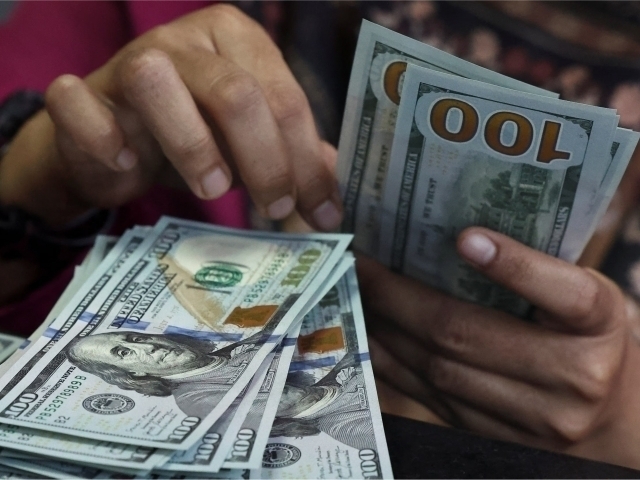
2 январь куни АҚШ доллари 2026 йилни сезиларли ўсиш билан бошлади, аксарият валюталарга нисбатан ўтган йилги пасайишни енгиб ўтди, чунки инвесторлар Федерал захира тизими сиёсати ва жаҳон бозорларини йўналтириши мумкин бўлган муҳим иқтисодий маълумотлар ҳафтасини кутмоқда. Бу ҳақда “Reuters” ёзмоқда.
Доллар мавқеини тикламоқда
Бу тикланиш 2017 йилдан бери йиллик энг кескин пасайишдан кейин содир бўлмоқда, ўсиш 9 фоиздан ошди, бу бошқа иқтисодиётлар билан фоиз ставкалари ўртасидаги тафовутнинг қисқариши ва АҚШ молиявий аҳволидан доимий хавотирлар, глобал савдо уруши ва Федерал захира тизимининг (ФЗТ) мустақиллиги – бу йил ҳам долзарб бўлиб қолаётган хатарлар билан боғлиқ.
ФЗТ ставкалари қандай?
Келгуси ҳафта маълумотлар оқими, айниқса 9 январдаги бандлик ҳисоботи, ФЗТнинг фоиз ставкаларини янада пасайтиришини кўрсатиши кутилмоқда. Бозорлар аллақачон иккита пасайишни башорат қилмоқда, гарчи бўлинган марказий банк фақат битта пасайишни прогноз қилган бўлса-да.
“Бу кўплаб баҳолашлар учун қулай вақт бўлади. Ой охиригача ФЗТ йиғилиши бўлмайди, лекин ҳали консенсусга эришилгани йўқ”, дейди Вашингтондаги Monex USA савдо директори Хуан Перес.
Унга кўра, АҚШ ҳукумати фаолиятини тўхтатиши мисли кўрилмаган ва ҳаддан ташқари узоқ давом этди. Бу эса маълумотларнинг тўпланиши, талқин қилиниши ва тўлиқ аниқ деб баҳоланиши ёки тан олинишига жиддий таъсир кўрсатди. 2 январь куни Япония ва Хитой бозорлари ёпиқ бўлганлиги сабабли савдо ҳажми паст бўлди.
Турли валюталар саватига нисбатан доллар курсини ўлчайдиган доллар индекси 0,24 фоизга кўтарилиб, 98,48 ни ташкил этди. Евро эса 0,25 фоизга тушиб, 1,1716 долларга тенг бўлди.
Евро
Сўров натижаларига кўра, декабрь ойида евроҳудудда ишлаб чиқариш фаоллиги тўққиз ой ичидаги энг паст даражага тушган. Валюта ўтган йили 13 фоиздан ортиққа кўтарилиб, 2017 йилдан буён энг юқори йиллик ўсишни қайд этган.
Фунт
Фунт стерлинг 2025 йилда 7,7 фоизга кўтарилганидан сўнг, 0,18 фоизга пасайиб, 1,3445 долларни ташкил этди. Бу ҳам 2017 йилдан бери энг катта йиллик сакраш бўлди. Инвесторлар, шунингдек, АҚШ Президенти Дональд Трамп ФЗТнинг кейинги раҳбарини ким этиб тайинлашини кузатиб бормоқда, чунки амалдаги раис Жером Пауэллнинг ваколат муддати май ойида тугайди.
Трамп шу ойда ўзининг Федерал захира раиси номзодини танлайдиган бўлди. Бозор иштирокчиларининг аксарияти Трамп ставкаларни янада пасайтириш тарафдори бўлишини кутмоқда, чунки Президент Пауэлл ва Федерал захирани қарз олиш харажатларини тезроқ ва каттароқ ҳажмда пасайтирмагани учун бир неча бор танқид қилган.
Трейдерлар ҳозирда ФЗТ директорлар кенгашининг фикри бўлинган ҳолда башорат қилинаётган битта пасайишга нисбатан бу йил иккита пасайишни тўлиқ ҳисобга олмоқда,
“Биз Марказий банк мустақиллиги борасидаги хавотирлар 2026 йилда ҳам давом этишини кутмоқдамиз ва ФЗТ раҳбариятининг бўлажак ўзгаришини ФЗТ ставкалари бўйича прогнозимиз атрофидаги хатарларнинг “юмшаш” томонга бўлишининг бир неча сабабларидан бири деб ҳисобламоқдамиз”, деб ёзилган “Goldman Sachs” стратегларининг мижозларга йўллаган хатида.
Истисно сифатида иена
Япония иенаси 2025 йилда долларга нисбатан 1% дан камроққа кўтарилгандан сўнг, долларга нисбатан 0,16% га заифлашиб, 156,91 га етди. У ноябрь ойида эришилган 10 ойлик энг паст кўрсаткич – 157,89 га яқин бўлиб қолди, бу сиёсатчиларнинг эътиборини тортди ва Япония Банкининг аралашуви ҳақидаги кутилган натижаларни оширди.
Япония Банки ўтган йили фоиз ставкаларини икки марта оширди, аммо бу иенанинг ўсишини қўллаб-қувватламади, чунки инвесторлар янада агрессив ўсиш суръатини кутаётганга ўхшайди.
LSEG (глобал молия бозори маълумотлари ва инфратузилмаси провайдери) маълумотларига кўра, бозорлар июль ойидан олдин Япония Банкининг яна бир марта ставка кўтарилиши эҳтимолини 50% дан юқори деб баҳоламоқда. Криптовалюталар орасида биткоин 1,64% га ўсиб, 89 741,61 долларга етди.

Live
All