Reports claiming that “no poor families remained” will no longer be accepted – President
−
3541 2 minutes
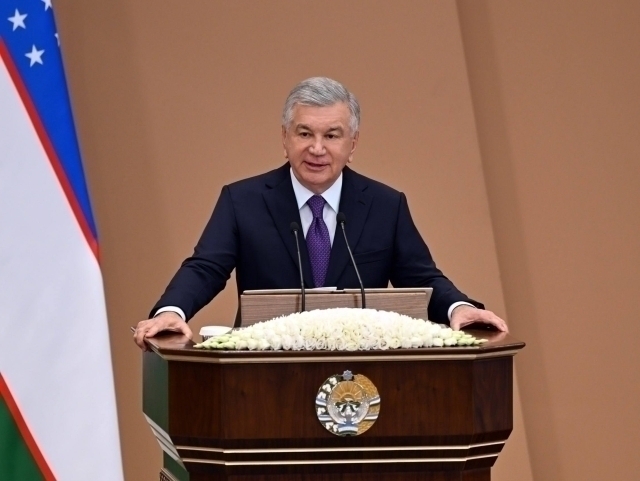
A total of 99,000 people from Bukhara Region are working abroad as labour migrants. Another 24,000 people who have returned from abroad have yet to find jobs. The region has nearly 40,000 unemployed people, while a further 270,000 residents earn below the average income level. These figures were discussed today, 4 November, at a meeting chaired by President Shavkat Mirziyoyev during his visit to Bukhara Region. The meeting focused on developing the regional economy and improving living standards.
It was noted at the meeting that the region’s economy is expected to exceed 100 trillion soums for the first time this year, with growth reaching 10.1%. In a survey, 98% of Bukhara residents said their quality of life had improved in recent years, while 83% of entrepreneurs expressed positive expectations for the next three years.
At the same time, economic growth remains heavily dependent on natural resource industries and agriculture, which account for 43% of the regional economy. Over the past decade, the share of services has increased only slightly, from 33% to 36%.
The President stressed the need to diversify the regional economy, develop deeper processing in industry and identify growth opportunities in each district. Officials were instructed to draw up specific plans to increase performance indicators in industry, services and agriculture by 1.5 times.
Tashkent city and Fergana and Jizzakh regions were cited as examples of areas that had received international ratings from Fitch. Bukhara, too, should demonstrate its potential as an open and reliable destination for investors, it was noted.
A total of 99,000 people from Bukhara Region are working abroad as labour migrants. Another 24,000 people who have returned from abroad have yet to find jobs. The region has nearly 40,000 unemployed people, while a further 270,000 residents earn below the average income level.
“From now on, reports claiming that ‘no poor families remain’ will not be accepted,” the President said.
Officials were instructed to provide vocational training to Uzbek citizens working abroad for low wages and help them secure better-paid jobs. They were also tasked with developing district-level plans to raise the incomes of the 270,000 residents to the average level or above.

Live
All