Туркия аш-Шара ҳаётини ҳимоя қиляптими?
Review
−
28 July 2025 7177 11 minutes
Сурия муваққат президенти Аҳмад аш-Шара ҳаётига у ҳокимият тепасига келганидан то ҳозиргача уч маротаба суиқасд уюштирилгани ҳақида хабарлар чиқди. Исроил нашрлари томонидан сиздирилаётган бундай маълумотлар бир қарашда Суриядаги ижтимоий кайфиятни ўзгартиришга қаратилгандек кўриниши мумкин. Аммо аш-Шара Дамашққа кириб келиб, ҳокимиятни расмий даражада эгаллаганидан мана роппа-роса 7 ой ўтди ва шу муддат давомида у бир неча бор маҳаллий ва ташқи сиёсий зиддиятлар билан юзлашди. Дастлаб Асадлар оиласи мансуб алавийлар, сўнг икки бор друз очиликлари билан кескин ва қонли тўқнашувлар юз берди. Жуда кенг диний ва этноконфессияли мамлакат ҳисобланадиган ва 13 йиллик фуқаролар урушидан чиққан Сурияда ўз ҳокимиятини ушлаб туриш жуда қийин бўлиши олдиндан маълум эди. Айни дамда эса Аҳмад аш-Шара буни бошдан кечирмоқда. Аммо Суриядаги янги элитанинг бош архитектори сифатида кўриладиган Эрдўған бу жараёнда жим тургани йўқ. У ўзининг раҳнамолиги остида фаолият юритаётган Дамашқдаги муваққат ҳукумат ва президентни ҳозирча ҳарбий куч билан бўлмасада, махфий хизматлар ва риторик томондан қўллаб-қувватлаётганига ишора қилувчи ҳолатлар етарли. Бугун Исроил билан чегарадош Суриядаги омонат тинчлик, Аҳмад аш-Шара ҳаётига қилинаётган тўхтовсиз суиқасдлар ҳамда Туркия томонидан унинг муҳофаза қилиб келинаётганига батафсил тўхталамиз.
Аш-Шаранинг ҳаёт эликсири Эрдўған сейфидами?
Исроил нашрлари, хусусан, “Yedioth Ahronoth” газетаси Сурия муваққат президенти Аҳмад аш-Шарага нисбатан сўнгги етти ой ичида уч маротаба суиқасд қилингани ҳақида хабар тарқатди. Ёзилишича, аш-Шара ҳаётига қилинган тажовузлар доимий тарзда Туркия хавфсизлик кучларининг аралашуви туфайли бартараф этилган.
Исроил матбуотига кўра, Сурия муваққат президентига уюштирилган биринчи суиқасд Дамашқдаги Қаср аш-Шаб саройи яқинида бўлган. Бу ҳаракат эса Туркия махфий хизматларининг тезкор жавоби туфайли бартараф этилган ҳамда воқеа жойида гумондорлар зарарсизлантирилган.
Иккинчи суиқасд Иордания билан чегарага яқин жойда, аниқроғи Дара шаҳри ҳудудида режалаштирилган. Аҳмад аш-Шаранинг мазкур ҳудудга ташрифи чоғида атрофда икки нафар гумонланувчи аниқланган. Сурия ва Туркия хавфсизлик кучларининг биргаликдаги ҳаракатлари билан аш-Шаранинг йўналиши ўзгартирилган ва бу орқали ҳужумнинг олдини олинган. Бу воқеалар оммадан сир тутилиб, махфийлигича қолдирилган.
Учинчи ва энг жиддий суиқасд эса Дамашқда Сурия раҳбарининг мунтазам маршрутида қуролли пистирма шаклида уюштирилган. Бу сафар ҳам яна Туркия ва маҳаллий разведка ходимлари ҳужумга тайёргарликни ўз вақтида аниқлаб, суиқасдга уринганларнинг режасини барбод қилгани айтилмоқда.
Исроил ва араб манбаларининг таъкидлашича эса, Аҳмад аш-Шара ваҳима қўзғашнинг олдини олиш ва унга мухолиф бўлганларнинг суиқасдга алоқадор воқеалардан ўз мақсадларида фойдаланишига йўл қўймаслик учун бу маълумотларни ошкор қилмасликни буюрган. Ҳозирча бу фақат Исроил матбуотида сиздиралаётган хабарлар холос. Воқеа атрофидаги расмий доираларнинг ҳеч бири ушбу маълумотларни тасдиқламаган. Бироқ юқорида таъкидланганидек, Асад даврида чок-чокидан сўкилиб кетган Сурияда Аҳмад аш-Шара даврига келиб ҳам маълум даражада таъсир доирага эга қабила ёки этник гуруҳ Дамашққа бўйсунмаслик одатини тарк этмаган. Шу боис аш-Шаранинг ҳаётига қилинаётган суиқасдлар кўп бўлиши мумкин ва бунинг деярли ажабланарли жойи йўқ.
Ҳокимиятга ҳам 3 маротаба таҳдид
Аҳмад аш-Шаранинг ҳаётига 3 бор суиқасд уюштирилгани айтилди, аммо шу 7 ой мобайнида унинг ҳокимиятига ҳам тўғридан тўғри 3 маротаба таҳдид қилинди. Дастлабки ҳолатда жорий йил 6 март куни Ўртаер денгизи қирғоқларидаги Тартус ва Латакия вилоятларида қочқин Асад тарафдорлари янги ҳукуматга қарши бош кўтарганди. Улар амалдаги ҳокимиятга тегишли бўлган хавфсизлик кучларига ҳужум қилгач, икки ўртада тўқнашувлар бошланиб кетганди. Можаро эса 5-6 кун давом этди ва умумий ҳисобда мингдан ортиқ одам ҳалок бўлди. Бу эса ҳокимият тепасида келганига эндигина 3 ой тўлган Аҳмад аш-Шаранинг репутацияси ва халқаро майдондаги имижига каттагина зарар бериши мумкин эди.
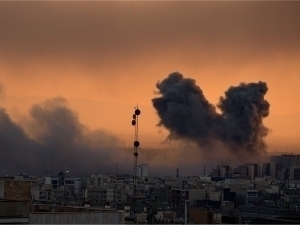
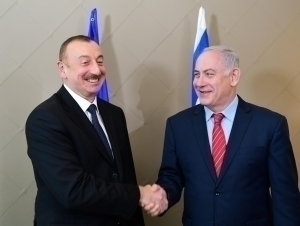
Орадан кўп ўтмай, аш-Шара ҳокимиятга келганига 5 ой энди тўлиши билан яна бир жиддий муаммога дуч келди. Сурия бўйлаб 700 мингга яқин аҳолини ташкил қилувчи друзлар мазкур можаро марказида бўлди. Апрель охири-май бошларида друзлар ва бошқа маҳаллий қуролли гуруҳлари ўртасида тўқнашувлар юзага келди. Ушбу зиддиятда ўнлаб инсонлар ҳалок бўлди. Яҳудийларнинг друзларга бир қадар яқинлиги сабаб 143 мингдан ортиқ друзлар истиқомат қилувчи Исроилда ушбу воқеа ортидан норозиликлар кучайди. Асосан мамлакат шимолида яшовчи бу этник озчилик кўчаларда намойиш ўтказиб, йўлларни тўсиб, Тель-Авивдан Суриядаги друз жамоасига ёрдам беришни сўрагани айтилди. Айнан шу баҳона билан ўз режимини қон билан суғориб турадиган Нетаньяху Исроил армиясига огоҳлантирувчи зарба беришни буюрди. Исроил Дамашқ, Ҳама ва Дарадаги қишлоқларга ҳаво ҳужуми уюштириб, кўплаб инсонларни ярадор ва ҳалок қилди. 1 майдан эса Исроил армияси Сурия муваққат президенти Аҳмад аш-Шаранинг қароргоҳи яқинида жойлашган нишонлардан бирига ҳам зарба берди. Ҳатто буни Нетаньяхунинг ўзи тасдиқлади. У буни “Сурияга аниқ сигнал” ва друз гуруҳларига нисбатан таҳдиднинг олдини олиш мақсадида амалга оширилди, дея таъкидлади. Аммо кўп ўтмай, вазият нормаллашди. Исён бостирилди.
Жорий йил июль ойи ўртасига келиб эса аш-Шара бошчилигидаги Сурия яна ички уруш домида қолди. Бу сафар яна ўша друзлар ва бошқа бадавий гуруҳлар ўртасида кескинлик юзага келди ва яна ўша Исроил ушбу масалага бурун суқди. Бу ҳолат Тель-Авивдаги режим учун ростдан ҳам доимий уруш ва қон тўкиш лозимлиги, ушбу ҳаракат унинг яшаб қолиши учун зарурлигини исботлади. 16 июль куни Исроил ҳарбий-ҳаво кучлари Дамашқ ва унинг атрофидаги стратегик нишонларга ҳужум қилинди, хусусан, Сурия армияси Бош штаби ва Абу Руммана кварталидаги Президент саройига яна зарбалар берилди. 17 июль куни мамлакат шимоли-ғарбидаги Бзамилдаги 132-мотоўқчилар бригадаси базаси ва Жабледаги 107-зирҳли бригада базасига ҳаво ҳужумлари уюштирилди. Қабилалар ўртасидаги жанглар ва Исроил зарбалари оқибатида салкам мингга яқин инсон ҳалок бўлди. Бироқ олдингилари каби аш-Шара бу зиддиятга ҳам бир ҳафтага бормай нуқта қўйишга эришди. 19 июль куни у халқаро воситачилар иштирокида ишлаб чиқилган тинчлик режасига мувофиқ, Суриянинг жанубий ҳудудларида ўт очиш тўхтатилишни эълон қилди. Аммо Аҳмад аш-Шара Исроилнинг айнан мана шу ҳаракатларидан кейин Тель-Авивга нисбатан риторикасини кескин ўзгартирди. Шу чоққача Сурия жуда узоқ йиллар давомида урушлардан боши чиқмагани, бундан буёғига тинч ривожланиши ва ҳатто Исроилга ҳам душманлик қилмаслигини таъкидлаб келган аш-Шара бу сафар Нетаньяху режимининг мамлакат ичидаги ишга ҳарбий жиҳатдан бурун суқишини мутлақо қабул қилмади. У Исроилга Сурия урушга тайёрлиги ҳақида сигнал юборди.
Ўз ўрнида шуни ҳам таъкидлаб ўтиш керакки, бугун Яқин Шарқдаги ҳеч бир лидерда Аҳмад аш-Шарадагидек уруш тажрибаси йўқ. У ва унинг атрофидаги энг камида 50 минг тарафдори ва аскарларида салкам 20 йиллик жанг тажрибаси борлигини унутмаслик лозим. Тўғри, улар маълум йиллар давомида террорчи, бошқа пайтларда эса Асад режимига қарши қуролли гуруҳ номлари билан тилга олинди ва шундай квалификация қилинди. Бироқ ҳокимиятни қўлга олиб, Суриядаги оммавий қабрлар ва жаҳанамнинг ўзгинаси бўлган, ҳатто Гитлернинг концлагерьларидан ҳам қолишмайдиган Сейдная қамоқхонаси ҳақида бутун дунё хабар топгач, бошқалар қатори Ғарб доиралари ҳам аш-Шарага нисбатан бир зумда ўз қарашларини ўзгартирди. У бутун дунё кўз ўнгида катта тезлик билан легитимликни қўлга киритиб борди. Халқаро ташкилотлар, Европанинг лидер давлатлари ва бошқа мамлакатлардан нуфузли делегациялар Дамашққа отланди. Кўплаб нуфузли субъектлар аш-Шарага Асад даврида таназзулга юз тутган Сурияда инсон ҳуқуқларини тиклаш ва инклюзив ҳукумат шакллантириш шарти билан кўмак беришга ваъда бера бошлади.
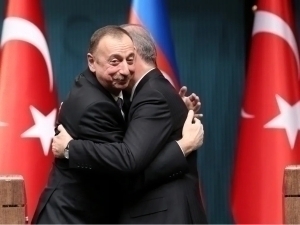
Ўз навбатида Суриянинг янги раҳбари ҳам ушбу тавсияларга амал қилиб борар, Сейдная қамоқохонасини тугатиш, оммавий қабрларни дунёга кўрсатиш ва судсиз қатл каби ҳолатларга барҳам бериш орқали ташқи ва ички сиёсатда ўз имижини яхшилаш йўлидан кетди. Якунда эса ЕИ ва АҚШ каби йирик ўйинчилар Сурияга қўйилган санкцияларни босқичма-босқич ечишни бошлади. Аш-Шара ўзига хос кучли дипломатик сиёсат олиб борди ва дастлаб Яқин Шарқ давлатлари, сўнгра Европанинг етакчи мамлакати Францияга ҳам ташриф буюрди. Эрдўған, “қора шағзода”, Трамп, Макрон, умумий олиб айтганда, Аҳмад аш-Шара Си Цзиньпиндан бошқа деярли барча йирик ва муҳим ташқи ўйинчилар билан учрашди. Қисқа 5-6 ой ичида бундай дипломатик фаоллик яқин ўртада кузатилмайди. Суриянинг янги етакчси қатнашган бу учрашувлар исталган давлат раҳбарининг орзуси дейиш ҳам мумкин. Дамашқда ҳам чет эл делегациялари бирин-кетин қабул қилинди. Аммо Туркия Ташқи ишлар вазири Хоқон Фиданнинг кутиб олиниши расмий даражадан анча ўтиб кетди ва у Сурияда ўзи хос нуфузли меҳмон ҳамда яқин дўст мақомида қарши олинди. Шунинг ўзи ҳам Туркия амалдаги Сурия раҳбариятининг асосий таянчи ва ҳамкори эканининг белгиси эди.
Туркиядан ёрдам сўраш вақти келдими?
Бу орада эса Анқара Сурия учун оз эмас кўп эмас, нақд 300 минг кишилик ҳарбий қўшин тузишда амалий кўмак бериши ҳақида хабарлар кенг тарқалди. Туркия маҳаллий нашрлари шу масала ҳақида бонг урди. Аш-Шаранинг Туркияга ташрифида Эрдўған билан ҳарбий соҳада жуда яқин ҳамкорлик битими имзоланиши кутилганди. Ташриф натижалари икки томоннинг расмий доиралари томонидан аниқ очиқланмаган бўлсада, ОАВ Туркия Сурия ҳудудида бир нечта ҳарбий база қуриши мумкинлиги ҳақида ёзди.
Бироқ ҳозиргача Туркия ва Суриянинг милитар соҳадаги чуқур ҳамкорлиги очиқ-ойдин кўринмаётган бўлсада, аш-Шара ҳаётига қилинган суиқасдлар турк махфий хизматлари томонидан бартараф этиб келинаётгани ҳақидаги хабарларни инобатга олсак, Туркия аллақачон Суриядаги нозик сиёсий жараёнларда фаоллашган дейиш мумкин. Боз устига Туркиядаги ишончли манбалардан бири TRT Haber яқинда друзлар билан кескинлик ва Исроилнинг мамлакат ишига ҳарбий бурун суқиш ҳолатидан кейин суриялик расмийлар Туркиядан мудофаа салоҳиятини кучайтириш ва террорчиликка қарши курашиш бўйича расмий ёрдам сўрагани ҳақида хабар берди. Телеканалнинг қайд этишича, Туркия Мудофаа вазирлиги ҳам Сурияга ёрдам бериш ва мамлакатни доимгидек қўллаб-қувватлашини билдирган.
Ҳа, ўтган йили декабрь ойида Идлибдан йўлга чиқиб, Ҳалабга отланган, уни эгаллаб Ҳама, Ҳомс ва бошқа ерларни забт этиб, Дамашққа отланаётган Жўлоний исмли шахсни биринчи бўлиб Эрдўған қўллаганда, унинг ўша чиқиши бутун дунёни таажжубга солганди. Кейинчалик дарҳол барча бу бурилишнинг ташкилотчиси Эрдўған эканини англади. Путин уни Суриядаги жараёнларнинг бенефициари деб атаган бўлса, Трамп Сурия эшикларининг калити Туркия етакчиси қўлида эканини айтиб чиқди. Аммо ўшанда баъзи сиёсий таҳлилчилар Эрдўған ҳокимият тепасига собиқ террорчини олиб келганини танқид остига олиб, бу келажакда яхшилик билан тугамаслигини билдирди. Энди эса шу ўринда савол туғилади. Бир неча 10 йилликлар давомида Сурия халқини кучли ва қонли босим остида ушлаган, ўз халқига кимёвий қурол ишлатишда айбланган, нафақат дунё билан, балки ўз қўшнилари ва қардош араб мамлакатлари билан ҳам нормал муносабатларни узган, ҳукмронлик давридан “мерос” сифатида Сейданая каби концлагерь ва юз минглаб инсонлар дафн этилган оммавий қабрлар қолган Асадлар режими яхшими ёки ўтмиши ёмон бўлган, аммо ҳозирда Асад режимидан қолган барча хатоларни ва камчиликларни бартараф этаётган, Сурияни ташқи дунёга аста-секин интеграция қилаётган ва барча билан, ҳатто тажовузкор Исроил билан ҳам яхши алоқалар ўрнатишга ҳаракат қилаётган Аҳмад аш-Шара яхшими? Ким дунё ва сурияликлар учун нормал вариант эди? Бу билан Аҳмад аш-Шаранинг ўтмиши ва унинг Идлибда қилган ишларини оқлаш назарда тутилмаяпти. Унинг статусига ҳам ҳуқуқий баҳо берилмаяпти. Зотан уни ҳарбий ва сиёсий фаолиятини тарозига солиш ва квалификация қилиш ҳар бир мамлакатдаги расмий доираларнинг ваколатида. Бу ерда эса гап шунчаки, сиёсий жиҳатдан икки вариантдан нисбатан яхшироғини танлаш зарур бўлгани ҳақида кетмоқда холос.
Чунки дунёда бундан роппа-роса 10 йил олдин, 2015 йилнинг 2 сентябрь куни Туркиянинг Бодрум қирғоғига қалқиб чиққан суриялик қочқинлар оиласига мансуб 3 яшарлик Алан Курдий исмли гўдакнинг жасади ҳамда унинг аянчли ва инсон қалбини жунбушга келтирган тақидири ҳақидаги хотиралар ҳали ҳам кўпчиликнинг ёдидан чиқмаган. Аслида Суриянинг сўнгги 15 йиллик ўтмиши шу болакайнинг тақдирига ўхшаш қисматлар билан тўла. Асад бошқарувини издан чиқариши оқибатида Шом ўзининг дунёда тутган тарихий ўрни ва нуфузини буткул йўқотди. У ердаги тинч аҳоли эса узоқ йиллар давомида бир томондан террорчи ИШИД, бошқа томондан эса Асад режими томонидан баб-баробар қақшатилди. Шундай экан агарда Сурияда ўша Алан Курдий воқеаси ва бошқа шунга ўхшаш аянчли тақдирлар такрорланмаслигига ва мамлакат ташқи дунё билан нормал алоқа қилишга, ҳеч кимга муаммо туғдирмасликка ҳаракат қилаётган экан, аш-Шаранинг Эрдўған сценарийси бўйича ҳокимият тепасига келишини баҳолашга ҳали эрта. Анқаранинг Суриядаги ҳаракатлари ва ҳокимият алмашинуви қанчалик муваффақиятли ёки аксинча бўлганини кўриш ва таҳлил қилиш учун бир неча йиллар керак бўлади.
Live
All26 October
26 October