1 июнь сабоқлари: Болалар ҳақида сиз билган ва билмаган ҳақиқатлар
Review
−
01 June 7468 12 minutes
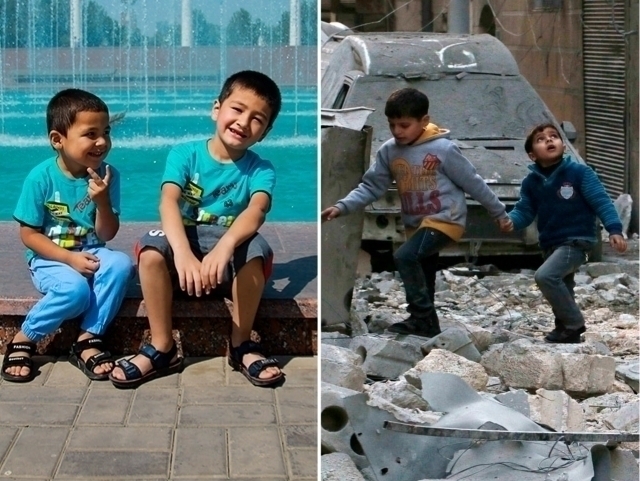
Болалик – инсоният тарихидаги энг соф ва энг беғубор даврдир. Бу шундай бир гўзал фаслки, унда нафрат туйғуси бўлмайди, ундаги қувончлар сохта дунёнинг манфаатларидан устун туради. Гўдакларнинг соф табассуми, дунёни фақат яхшиликдан иборат деб билиши – аслида бу чиркин дунёни мувозанатда ушлаб турган энг катта кучдир. Бироқ бу гўзаллик ва беғуборлик ортида жуда катта масъулият ва баъзан одамнинг юрагини увиштирадиган рақамлар ҳам яширинган.
Ер юзида бугун қарийб 8 миллиарддан ортиқ инсон яшайди. Уларнинг 2,3 миллиардга яқини – болалар. Бу дегани, сайёрамиздаги ҳар тўрт кишидан бири ҳали вояга етмаган, ўша биз айтган беғуборлик даврида яшамоқда.
StatsPanda глобал ҳисоботларига кўра, Ер юзи бир вақтнинг ўзида ҳам энг ёрқин қувончга, ҳам энг оғир жудоликка гувоҳ бўлади. Сиз кўзингизни очиб юмгунча ўтадиган биргина сония ичида сайёрамизда ўртача 4 нафар янги гўдак дунёга келади. Туғилишнинг ушбу шиддатли суръати дақиқасига 260 нафар, кунига эса қарийб 370 000 нафар янги ҳаёт мўъжизаси деганидир. Бирлашган Миллатлар Ташкилоти маълумотларига кўра, дунё болаларининг учдан бир қисмидан кўпроғи Ҳиндистон, Хитой, Нигерия ва Покистонда истиқомат қилади. Бугунги кунда 10 ёшдан 19 ёшгача бўлган 1,3 миллиард ўсмир яшаётгани эса инсоният тарихидаги энг йирик ёш авлодлардан бири эканини кўрсатади.
Шу дунё деб аталмиш манзилнинг Ўзбекистон деган нуқтаси ҳам ёшлар мамлакати ҳисобланиб, мамлакат аҳолисининг катта қисмини болалар ва ёшлар ташкил этади. Бу мамлакатда ҳар йили юз минглаб чақалоқлар дунёга келади, минглаб янги мактаблар, боғчалар ва таълим муассасалари қурилади. Бу рақамлар ортида эса, битта оддий ҳақиқат ётади: ҳар қандай давлатнинг эртанги куни бугунги болалар қандай улғаяётганига боғлиқ.
Шу боис ҳам ҳар йили 1 июнь санаси дунёнинг ўнлаб мамлакатларида Халқаро болаларни ҳимоя қилиш куни сифатида нишонланади.
Бир байрам ортидаги катта маъно
Кўпчилик учун 1 июнь аттракционлар, концертлар ва болаларга совғалар улашиладиган қувноқ байрам сифатида тасаввур қилинади. Аслида эса, бу куннинг мазмуни биз билгандан кўра анча чуқурроқдир.
Халқаро болаларни ҳимоя қилиш куни болаларнинг ҳуқуқлари, хавфсизлиги ва фаровонлигига эътибор қаратиш мақсадида ташкил этилган. Байрамнинг илдизлари 1925 йилга бориб тақалади. Ўша йилнинг 1 июнь куни Женевада болалар фаровонлигига бағишланган халқаро конференция бўлиб ўтган. Айни шу даврда Хитойнинг Сан-Францискодаги бош консули ота-онасиз қолган етим болалар учун хайрия тадбирини ташкил қилган. Кейинчалик бу ғоя ривожланиб, 1949 йили Парижда Халқаро хотин-қизлар демократик федерацияси томонидан расман қўллаб-қувватланди. 1950 йилдан бошлаб эса, 1-июнь халқаро миқёсда нишонлана бошланди. Бироқ бу сана болалар ҳақида фақат қувончли ҳикояларни эслаш куни эмас. Аксинча, бу кун дунёга болалар ҳали ҳам дуч келаётган муаммоларни эслатиб турадиган кун ҳамдир.
Рақамлар ортидаги оғриқ
XXI аср технологиялар, сунъий интеллект ва космик тадқиқотлар асри сифатида тилга олинади. Бироқ шу билан бирга, миллионлаб болалар учун бу аср ҳануз очлик, қашшоқлик ва зўравонлик даври бўлиб қолмоқда. Юқорида айтганимиз – шиддатли туғилиш сониялари ёнида тарози палласининг нариги томони ҳам чирсиллаб уриб турибди. Масалан, дунёнинг қайсидир чеккасида ҳар 6,5 сонияда 1 нафар мурғак гўдак ҳаётдан кўз юмади. Бу ҳар дақиқада 10 нафар, бир суткада эса 14 000 нафарга яқин боланинг қуёшни кўрмай туриб сўниши демакдир.
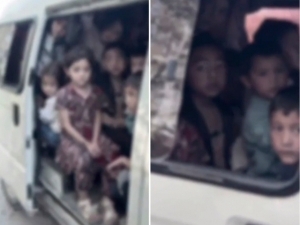
UNICEF маълумотларига кўра, бугунги кунда дунё бўйлаб 160 миллион бола меҳнат қилишга мажбур. Уларнинг қарийб 79 миллион нафари саломатлиги ва ҳаётига хавф туғдирадиган оғир ишлар билан шуғулланмоқда. Яна бир даҳшатли рақам — 650 миллиондан ортиқ қизлар вояга етмасидан турмушга узатилган. Бу дегани, юз миллионлаб қизларнинг болалиги эрта тугаган. Кам ва ўрта даромадли мамлакатларда 417 миллиондан ортиқ бола тоза ичимлик суви, сифатли таълим, тиббий хизмат ва хавфсиз уй-жой каби энг асосий эҳтиёжлардан маҳрум ҳолда яшайди. Энг дахшатлиси, дунёда ҳали ҳам 64 миллиондан ортиқ бола мактабга бора олмайди. Ҳар уч боладан иккитаси эса, озиқ-овқат етишмовчилиги ёки нотўғри овқатланиш оқибатларини бошдан кечирмоқда. Бу рақамлар оддий статистика эмас. Ҳар бир сон ортида бир боланинг тақдири, орзуси ва ҳаёти турибди.
Сўнгги йилларда болалар энг катта зарбани қуролли можаролардан қабул қилмоқда. Масалан, Ғазо секторидаги урушнинг халқаро ташкилотлар томонидан “болалар ва болалик устидан уруш” деб баҳолангани, шундоқ ҳам очиқ-ойдин бўлган хулосани халқаро “оғиз”лардан эшитишни истовчилар учун ҳам очиқ мурожаат бўлди. UNICEF маълумотларига кўра, Ғазодаги ҳаракатлар ортидан 2023 йил октябридан буён 21 мингдан ортиқ бола ҳалок бўлган. 10 минглаб болалар яраланган, минглаб оилалар эса бутунлай парчаланиб кетган. 56 мингдан ортиқ бола ота-онасидан бирини ёки иккаласини йўқотган. Очлик, бошпана етишмаслиги ва тиббий ёрдамнинг узилиши эса юз минглаб болалар ҳаётини хавф остида қолдирган. Бироқ болалар учун хавф фақатгина урушлардан иборат бўлмаяпти. Ҳар қадамда сиз ўз болангиздан айрилиш эҳтимолингиз шу қадар юқорики, булар инсонни албатта сергаклатади. Жаҳон соғлиқни сақлаш ташкилоти маълумотларига кўра, масалан, оддий йўл-транспорт ҳодисалари бугунги кунда 5 ёшдан 29 ёшгача бўлганлар ўлимининг асосий сабабларидан биридир. Ҳар йили дунёда 181 мингдан ортиқ бола ва ўсмир автоҳалокатлар оқибатида ҳаётдан кўз юмади. Болалар тақдирига оид айрим воқеалар эса, инсоният хотирасида абадий доғ бўлиб қолган.
Боласиз уй – мозор: Дунёни ўзгартирган болалар фожиаси
Тарих инсониятнинг нақадар шафқатсиз хатоларга йўл қўйганига кўп бор гувоҳ бўлган. Бироқ бу хатолар ва жиноятлар бадалини беғубор болалар ўз ҳаёти билан тўлаганида, дунё бутунлай ларзага келади. Қуйидаги тўртта йирик фожиа шунчаки мудҳиш ҳодисалар эмас, балки инсоният хавфсизлик, тиббиёт ва масъулият тизимини қайта кўриб чиқишга мажбур бўлган қонли сабоқлардир.
Беслан мактаби: Қатлиомга айланган “Билимлар куни” (2004 йил, Россия)
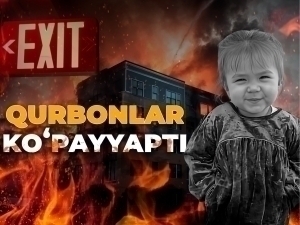
2004 йилнинг 1 сентябр куни Шимолий Осетиянинг Беслан шаҳридаги 1-сонли мактабда ҳаёт тўхтади. Янги ўқув йили қувончи билан йиғилган 1128 нафар бола, ота-она ва ўқитувчилар террорчилар томонидан шафқатсизларча гаровга олинди. Уч кун давом этган сувсизлик, очлик ва руҳий қийноқлардан сўнг, мактаб биносида юз берган портлашлар ва қуролли тўқнашувлар оқибатида 334 киши фожиали ҳалок бўлди. Энг даҳшатли ҳақиқат шунда эдики, қурбонларнинг 186 нафари ҳали ҳаётни англаб улгурмаган бегуноҳ болалар эди.
“Совол” пароми: Шармандали шарафсизлик (2014 йил, Жанубий Корея)
Баъзида қурол эмас, инсоний эътиборсизлик ва қўрқоқлик ҳам энг катта қотилга айланиши мумкин. 2014 йил 16 апрель куни Жанубий Кореянинг Ансан шаҳридаги мактабнинг 325 нафар юқори синф ўқувчиси экскурсия учун “Совол” паромида саёҳатга чиқди. Меъёрдан ортиқ юкланган кема нотўғри бурилиш оқибатида ағдарилиб, сувга чўка бошлади. Фожиа пайтида кема капитани ва экипаж аъзолари болаларга “жойингиздан қимирламай ўтиринг” деб буйруқ бериб, ўзлари кемани биринчилардан бўлиб ташлаб қочишди. Оқибатда қутқарувчиларни кутиб, буйруққа итоат қилган 250 нафар ўқувчи сув остида қолиб, ҳалок бўлди (жами қурбонлар 304 нафар). Бу эътиборсизлик фожиаси Жанубий Кореяда кучли сиёсий инқирозни келтириб чиқариб, Бош вазир истеъфосига сабаб бўлганди. Қўрқоқ капитан эса, умрбод қамоқ жазосига ҳукм қилинганди.
Таллидомид фожиаси: Тиббиётнинг қора доғи (1950–1960 йиллар)
Фожиа фақат қурол ёки кема ҳалокати шаклида келмайди, у баъзан шиша идишдаги дори кўринишида ҳам намоён бўлади. 1950 йилларнинг охирида Германияда ишлаб чиқарилган "Таллидомид" препарати ҳомиладор аёллардаги кўнгил айнишига қарши “мутлақо хавфсиз дори” сифатида дунёнинг 40 дан ортиқ давлатида оммавий сотила бошлади. Натижа эса даҳшатли бўлди: дори таркибидаги зарарли моддалар туфайли бутун дунё бўйлаб 10 000 дан ортиқ бола қўл-оёқсиз ёки оғир жисмоний нуқсонлар билан майиб бўлиб туғилди. Уларнинг аксарияти гўдаклигидаёқ нобуд бўлди. Ушбу оммавий тиббий фожиа халқаро фармацевтика тизимини бутунлай ўзгартириб юборди. Дориларни сотувга чиқаришдан олдин уларни лабораторияларда ўта қатъий текшириш қоидалари айнан шу болаларнинг фожиаси эвазига жорий этилганди.
Шиша ичидаги заҳар: “Док-1 Макс” фожиаси
Юқоридагидек ҳолат Ўзбекистонда ҳам содир бўлгани шу ўринда эсланмаса бўлмас. Мамлакат фармацевтика ва соғлиқни сақлаш тизими тарихида ҳеч қачон унутилмайдиган, оғриғи йиллар ўтса-да сусаймайдиган бир қора саҳифа эди бу. Оддий шамоллашга қарши шифо умидида ичирилган, Ҳиндистоннинг “Marion Biotech” компанияси томонидан ишлаб чиқарилган ва импорт қилинган “Док-1 Макс” ҳамда “Амбронол” сироплари, афсуски, ўнлаб оилаларнинг чироғини ўчирганди. Расмий маҳкама ва тергов ҳужжатларига кўра, ушбу заҳарли сиропларни истеъмол қилиш оқибатида Ўзбекистонда камида 68 нафар бегуноҳ бола вафот этган. Қурбонларнинг деярли барчаси ҳаёти эндигина бошланаётган 6 ёшгача бўлган гўдаклар эди. Фожиа фақат ўлим билан чекланмади. Шу кунгача аниқланган маълумотларга кўра, яна 16 нафар бола ушбу доридан заҳарланиб, оғир даражадаги буйрак етишмовчилиги ва бошқа органларнинг жиддий шикастланиши оқибатида умрбод ногирон бўлиб қолди. Уларнинг ота-оналари ва яқинлари ҳанузгача фарзандларини оёққа турғизиш учун руҳий ва моддий кураш олиб бормоқда.
Умид уйғотадиган рақамлар
Мақолани ўқиб туриб, ҳар бир инсоний қалб эгаси маҳзун бўлиши турган гап. Дунё ҳамжамияти берган бу рақамлар-у, ҳикояларни кўриб, инсон ичига қўрқув ва хавотир ўрнашади. Шунга қарамай, албаттаки болалар ҳаёти билан боғлиқ барча статистика фақат қайғули кўринишда эмас. Келинг, ҳаётнинг ёрқинроқ тарафларига ҳам бирга назар соламиз.
Қувончлар ичидаги энг қувонарли ҳолат шуки, инсоният тарихида ҳали ҳеч қачон бугунгидек кўп бола саводли бўлмаган. Маълумотларга қараганда, ҳозирги кунда 15 ёшгача бўлган болаларнинг саводхонлик даражаси 90 фоиздан ошган. Охирги йигирма йил ичида эса, мактабга чиқмайдиган қизлар сони 100 миллиондан ортиққа камайган. Кўплаб мамлакатларда қизлар ва ўғил болаларнинг таълим олиш имкониятлари деярли тенглашган. Ҳа, деярли!
Очиқ манбаларга қарайдиган бўлсак, 1990 йилдан буён 5 ёшгача бўлган болалар ўлими қарийб 60 фоизга қисқарди. Миллионлаб болалар эмлаш дастурлари, тоза сув ва замонавий тиббиёт туфайли ҳаётда қолмоқда. Психологларнинг айтишича, соғлом бола кун давомида юзлаб марта кулар экан. Балки шунинг учун ҳам болалар инсониятнинг энг катта оптимизми ва энг кучли умиди ҳисобланади.
Болаларнинг ҳимояси кимнинг қўлида?
Болалар ҳуқуқларини ҳимоя қилиш йўлидаги энг муҳим қадам 1989 йили қабул қилинган БМТнинг Болалар ҳуқуқлари тўғрисидаги конвенцияси бўлди. У илк бор болани алоҳида ҳуқуқларга эга мустақил шахс сифатида тан олди. Яшаш, таълим олиш, ҳимояланиш ва ўз фикрини эркин билдириш ҳуқуқлари халқаро даражада кафолатланди. Халқаро меҳнат ташкилотининг 182-конвенцияси эса, болалар қуллиги, болаларни қуролли можароларга жалб қилиш ва энг хавфли меҳнат шаклларини қатъиян тақиқлади. Тарих давомида айрим давлатлар ҳам бу борада намуна бўлганди. Масалан, Буюк Британия болалар меҳнатини чеклаган илк мамлакатлардан бири бўлди. Франция эса, бепул ва мажбурий таълим тизимини жорий этди.
Санъат ва маданият: Бефарқ қолмаган виждонлар ноласи
Албатта, болалар ҳақидаги рақамлар, қонунлар ва халқаро ҳисоботлар муаммонинг кўламини кўрсатади, аммо баъзан битта қўшиқ ёки битта фильм минглаб саҳифа ҳисобот айта олмаган ҳақиқатни инсон қалбига етказади. Шу боис дунё маданияти ва санъати болалар ҳуқуқлари, уруш қурбонлари, очлик, зўравонлик ва етимлик мавзусига доимо алоҳида эътибор қаратиб келади.
Масалан, поп мусиқаси қироли деб тан олинган Майкл Жексон ўз ижодида болалар мавзусини энг кўп кўтарган санъаткорлардан бири ҳисобланади. Унинг “Heal the World” (“Дунёни давола”) қўшиғи инсониятни урушлар, очлик ва адолатсизликдан азият чекаётган болалар тақдири олдида бирлашишга чақирган ҳақиқий глобал мадҳияга айланганди. “The Lost Children” (“Йўқолган болалар”) қўшиғи эса уйидан, оиласидан ёки хавфсиз ҳаётдан маҳрум бўлган миллионлаб болаларга бағишланди.
Чемпионликдан ҳам улуғроқ ғалаба
Спортчилар кўпинча майдондаги ғалабалари билан эсга олинади, аммо айрим спорт юлдузлари борки, уларнинг энг катта ютуғи миллионлаб болалар ҳаётига таъсир кўрсатган инсонпарварлик фаолияти ҳисобланади. Сенегаллик футболчи Садио Мане ана шундай инсонлардан бири бўлди. У қимматбаҳо саройлар ёки суперкарларга эмас, ўз қишлоғидаги болалар келажагига сармоя киритишни танлади. У туғилиб ўсган Бамбали қишлоғида мактаб, шифохона ва спорт инфратузилмасини барпо этди. Натижада минглаб болалар сифатли таълим ва тиббий хизмат олиш имкониятига эга бўлди. “Барселона” футбол клубининг UNICEF билан ҳамкорлиги ҳам спорт тарихидаги энг рамзий ташаббуслардан бири ҳисобланади. Кўплаб клублар ҳомийлардан маблағ олган бир пайтда, каталонияликлар болалар манфаати учун ўз маблағини халқаро лойиҳаларга йўналтиришни афзал кўрганди. Бу ҳамкорлик дунё бўйлаб миллионлаб эҳтиёжманд болаларнинг таълим ва ҳимоя дастурларига хизмат қилди.
Ўзбек халқининг болажонлиги ҳақида дунёга айтилган ҳикоя
Болалар ҳақида сўз кетганда, ўзбек кинематографиясининг бетакрор дурдоналаридан бири — “Сен етим эмассан” фильмини эсламаслик мумкин эмас. Режиссёр Шуҳрат Аббосов томонидан 1962 йилда суратга олинган ушбу фильм нафақат ўзбек киноси, балки инсонпарварлик мавзусидаги энг таъсирли асарлардан бири сифатида эътироф этилади. Фильм ҳақиқий тарихий воқеаларга асосланган. Унда Иккинчи жаҳон уруши йилларида турли миллат вакилларидан бўлган 14 нафар етим болани ўз бағрига олган тошкентлик Шоаҳмад Шомаҳмудов ва Баҳри Акрамова оиласининг ҳаёти тасвирланган. Уруш миллионлаб инсонларни уйидан жудо қилган бир пайтда, Тошкент кўплаб болалар учун иккинчи Ватанга айланган эди. Рус, украин, беларус, татар, молдаван ва бошқа миллатларга мансуб болалар ўзбек оиласи меҳрини ҳис қилиб улғайди. Фильм ана шу инсонпарварлик, бағрикенглик ва меҳр-оқибат ғояларини бутун дунёга намоён қилди.
Хулоса ўрнида
Болалар ҳақида гап кетганда, статистика ҳеч қачон шунчаки рақам бўлиб қолмайди. 2,3 миллиард бола – бу 2,3 миллиард орзу, шунча тақдир ва ҳудди шунча келажак деганидир. Болалар ҳақидаги ҳар қандай суҳбат охир-оқибат бир ҳақиқатни қайта ва яна қайта исботлайди: дунё келажаги ҳақида қайғуриш – бу аввало болалар тақдири ҳақида қайғуриш демакдир. Шу сабаб боланинг хавфсизлиги, таълими, соғлиги ва бахти учун қилинаётган ҳар бир иш аслида инсониятнинг ўз келажагига киритаётган энг катта сармояси ҳисобланади. Санъат ҳам, спорт ҳам, қонунлар ҳам ва бутун инсониятнинг эзгу интилишлари ҳам айнан шу мақсадга хизмат қилиши билан янада қадрлидир. Чунки дунёни ўзгартиришнинг энг ишончли ва тўғри йўли – бир боланинг ҳаётини яхшилашдан бошланади.
Барча болажонларга катталарнинг чиркин ишларидан омонда қолишини, мана шундай тубан статистик рақамларни бахт ва қувонч рақамларига айланишини тилаб, QALAMPIR.UZ таҳририяти 1 июнь – Халқаро болалар куни билан табриклайди.

Live
All