Жанубий Корея Ўзбекистон билан муҳожирлик алоқаларини якунлаши мумкин
Жамият
−
18 Январь 2025 29578 6 дақиқа
Жанубий Корея Ўзбекистон билан миграция алоқаларини тўхтатиши мумкин. Бу ҳақда 17 январь куни Миграция агентлиги раҳбарияти иштирокида ўтказилган матбуот анжуманида айтиб ўтилди.
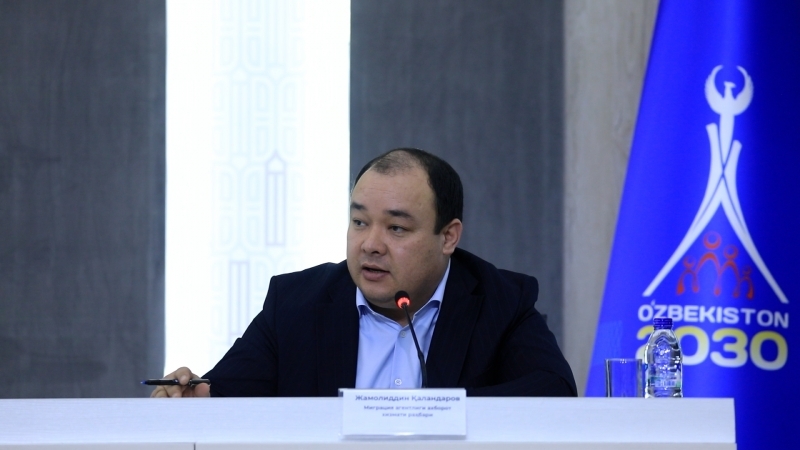
“Ҳозирги кунда Кореяда нолегал юрган Ўзбекистон фуқаролари 9,6 фоизга етган. Агар бу 10 фоизга чиқадиган бўлса, ўша давлат биз билан миграцион алоқаларни тўхташи ҳам мумкин. Шу боис биз қаттиқроқ чоралар кўришга мажбур бўляпмиз”, деди агентлик Ахборот хизмати раҳбари Жамолиддин Қаландаров.
Миграция агентлиги бошқарма бошлиғи Исломжон Ҳамроевнинг қўшимча қилишича, Жанубий Корея қонунчилигида ноқонуний мигрантлар билан боғлиқ нормалар аниқ белгилаб қўйилган.
“Корея Республикаси қонунчилиги бўйича ҳар битта давлатдан келган ноқонуний меҳнат мигрантлари сони 10 фоиздан ошиб кетса, квота масаласида камайтириш, қисқартириш, визани бекор қилиш масалалари кун тартибига қўйилади. Шунинг учун фуқароларимиз нолегал мақомга ўтиб кетаётганининг олдини олиш мақсадида Миграция агентлиги томонидан уч томонлама шартнома тузилган. Бу шартномада айнан, меҳнат мигранти Кореяга боргандан кейин иш жойини бевосита агентлик билан келишмасдан ўзгартирмаслиги ёки нолегал мақомга чиқиб кетмаслиги бўйича мажбурият олади. Фуқаронинг хатти-ҳаракатлари ҳуқуқий муносабат бўйича шартнома тарафларнинг ихтиёрига асосан амалга оширилади. Демак, бундай ҳолатда кетаётган мигрантга мажбуран имзо қўйдирилмайди. Шартномани имзолашдан олдин тушунтириш ишлари олиб борилиб, ҳозирги кунда ҳаттоки махсус курс қўйилди. Агентлик томонидан кетаётган фуқароларга нолегал мақомда бўлишнинг оқибатлари, салбий ҳолатлари, жавобгарлик, ўша давлатнинг қонунчилигини бузганлик учун депортация масаласи, жарима қўллаш масаласини тушунтириш бўйича махсус курс қўйилди. Ҳар битта кетаётган фуқарога ҳозирги кунда маҳалла идоралари билан келишган ҳолда тарғибот-ташвиқот ишлари, ҳатто амалий ҳолатда судларнинг қарорини кўрсатган ҳолда йўлга қўйилди”, дея тушунтирди у.
Жанубий Корея корхоналари нега ўзбекларни танламаяпти?
Хўш, Жанубий Кореянинг ўзбекистонлик мигрантлардан кўнгли совишига нима сабаб бўлмоқда? Миграцион йўналишда Ўзбекистон фуқаролари учун энг яхши манзиллардан бири бўлган мазкур мамлакатда мигрантлар қандай хатоларга йўл қўйяпти?
“Ҳар бир Корея иш берувчиси хорижий фуқарони танлагандан кейин унинг ҳужжатларини расмийлаштириш, Корея Адлия вазирлигидан визасини расмийлаштириш, ҳар бир ишга борувчига ҳужжатларни тайёрлаш, уларни ётоқлар билан таъминлаш кабилар учун харажат қилади. Бизнинг Ўзбекистон фуқароларида кейинги вақтда кузатилаётган тенденция – жуда кўп ҳолатларда Кореяга боргандан кейин 1-3 ой ичида иш жойини ташлаб, қайсидир яқинининг, танишининг таклифига кўра ундан озгина қимматроқ жойга кетиб қоляпти. Демак, иш берувчи ўз харажатига куйиб қоляпти. Шу нуқтаи назардан ҳам иш берувчи давлат кўпроқ Сенегал фуқаросини танлайди. Масалан, Вьетнам фуқаросини танлайди. Чунки улар олиб борилган иш жойини камида 1-3 йилгача ташлаб кетиш ҳолатлари кам кузатилади”, деди агентлик бўлим бошлиғи Аъзам Аҳматов.
Агентлик раҳбариятининг айтишича, нолегаллик ҳолатлари 2022 йилгача 3-4 мингдан ортиқ бўлган. Ҳозирда бу рақамлар 2-3 мингни ташкил қилмоқда. Аммо барибир Жанубий Корея мигрантларга бўлган эҳтиёжини камайтирмоқда. Сўнгги йилларда Жанубий Кореяга кетиш истагида бўлган нафақат Ўзбекистон, балки, бошқа мамлакат фуқароларининг ҳам аризалари қабул қилинмаяпти.
“Корея 2007 йилдан бошлаб “бандликка кўмаклашиш тизими” тарзида 16 та давлат билан ишлаб келади. Яъни ҳар йили Корея ўзини меҳнат ресурсидаги етишмовчилигидан келиб чиқиб, ўзларига нечта ишчи кераклиги бўйича маълумот беради. Айнан E-9 визаси бўйича боради, деган гап йўқ бу ерда. E-9 ёки E-7 махсус малака, E-8 мавсумий ишларга бу ҳаммасини ўз ичига олади. Охирги пайтда нафақат Ўзбекистондан балки, бошқа мамлакатлардан ҳам мигрантлар қабул қилишни камайтирмоқда. Оддий Непални мисол қилсак, 2023 йилда 19 738 нафар фуқаро жўнатган. Лекин 2024 йилга келиб улар 7081 нафар фуқарони жўнатди. Миграция агентлиги томонидан Ўзбекистонда ҳам худди шунақа – ўтган йили 4878 нафар фуқаро жўнатилган бўлса, бу йил 3080 нафар фуқаро юборилди. Ундан ташқари, Кореянинг иқтисодиётида ҳам ўзгаришлар бўлгани сабабли баъзи компаниялар ўзларини банкрот деб эълон қилмоқда”, деди агентлик вакили.
Қолаверса, айрим фуқароларда, “бўлди, мен имтиҳондан ўтдим, демак, мен кетаман” деган фикр борлиги, ҳозирда 10 мингтадан ортиқ имтиҳондан ўтган фуқаролар борлиги, қачонки Корея иш берувчиси уни танласагина, кетиши мумкинлиги айтилди.
“Битта фуқарога ноқонуний юргани учун чора кўрилиши бу – минглаб одамларга таъсир қилади. Орқада 10 мингдан ортиқ одам тест синовларидан ўтиб, танланишини кутиб турибди. Шу боис чет элга бори ишлаётган ҳар бир фуқаромиз қонун-қоидаларга амал қилиши керак. Ҳамкасбларимиздан илтимос қилардим, уларни мигрант сифатида эмас, ўзимизда чиққан кичик инвестор сифатида баҳолашимиз керак”, деди Ахборот хизмати раҳбари.
Ўзбекистонликлар нега Кореяга ноқонуний боради?
Жанубий Кореяга кетиш учун тўловлар миқдорининг қимматлиги фуқароларнинг ноқонуний йўллар орқали бу мамлакатга кетишига сабаб бўлмоқда. Масалан, Корея Республикасида ишлаш учун талаб қилинадиган E-9 ишчи визаси учун 1200 доллар талаб қилинади. Бунинг орасида эса Миграция агентлиги хизматлари учун тўловлар ҳам бор. Нима учун фуқароларини иш билан таъминлай олмаган давлатнинг миграция агентлиги четда ишламоқчи бўлган фуқароларга кўрсатган хизмати учун пул талаб қилади? Бу кўпчиликни қийнаётган саволдир.
“Миграция агентлиги давлат ташкилоти бўлгани билан – бу хўжалик бошқарувидаги ташкилот ҳисобланади. Бу ўзининг ходимларига ҳақ тўлаш, бошқа хизматларни кўрсатиш, шарт-шароит яратиш нуқтаи назаридан ҳам кўрсатган хизматлари учун ҳақ ундиришга ҳаққи бор. Ҳозирги кўп ҳолатда Россия Федерациясига борадиган фуқароларимизнинг иш ҳақларидан келиб чиққан ҳолатда ёки уларга кўниктириш тадбирларининг қисқалиги нуқтаи назаридан тўловларни мутлақо бекор қилиш масаласи ҳам кўриб чиқилди. Охирги қарор билан бекор ҳам бўлди. Гуруҳларда Корея Республикаси учун 15 кунгача тайёрлов курслари бор. Булар учун пул керак, албатта”, деди агентлик бўлим бошлиғи Аъзам Аҳматов.
Бундан ташқари, тизимда коррупсион ҳолатлар ҳам талайгина. Айни шу сабаб ҳам Ташқи меҳнат миграцияси агентлиги кўп бор танқид қилинган ва муҳокамаларга сабаб бўлган. Агентлик раҳбарияти эса тизимдаги коррупцияни йўқлатолмагани учун ҳам тез-тез ўзгариб туради. Хўш, Янгидан ташкил қилинган Вазирлар Маҳкамаси ҳузуридаги миграция агентлиги Ўзбекистоннинг миграцион имижига салбий таъсир қилаётган бу муаммоларни ҳал қила оладими?

“Кореяга юборишда коррупсион ҳолатлар олдин бўлганлигини ҳамма билган. Бу бор ҳолат. Агентлик ҳозир ўзгарди. Иккинчидан, бир нарсани тушуниш керакки, бизда асосий мақсад – халққа яқинлашиш, уларнинг ишончини қозониш. У шунчаки айтди-қўйди, э қўй, пулинг бўлмаса ишинг битмайди деган фикрдан воз кечиш. Асосий масала шу”, деди Миграция агентлиги директор ўринбосари Матлаб Қуронов.
Агентликнинг янги раҳбарияти Жанубий Кореяга ноқонуний кетишни тўхтатиш борасида бир қанча ишларни амалга ошираётганини айтмоқда. Бунда улар имтиҳон жараёнларида инсон омилини камайтириш чораларини кўрилаётгани, ноқонуний муҳожирларни қонунийлаштириш борасида ишлар кетаётганини айтди.
Шу сабабли ҳам Вазирлар маҳкамаси ҳузуридаги Миграция агентлиги раҳбарияти Жанубий Кореяга кетиш истагидаги фуқароларни, Кореяда ишлаётган фуқароларни мавжуд қонун-қоидаларга амал қилишни сўраб, огоҳлантирмоқда.
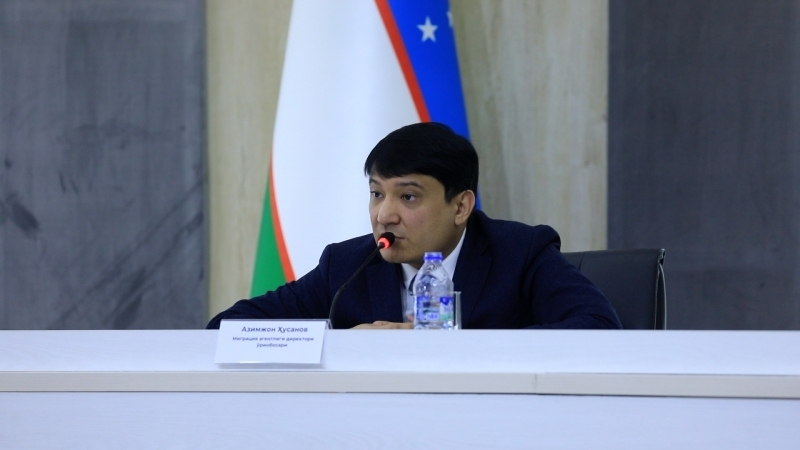
“Фуқароларимиз Жанубий Кореядан депорт бўлса, унинг фарзандлари ҳам келажакда бу мамлакатга бора олмайди. Унинг оила аъзолари, яқин қариндошларининг ҳам визаларига рад жавоби келаверади. Шунинг учун, фуқароларимиз қонунларга амал қилиши лозим. Тил ўрганса, имкониятлар ҳам ортади”, деди агентлик директор ўринбосари Азимжон Ҳусанов.

Live
БарчасиЖиззахда 10 ёшли қиз зўрланди
06 Октябрь
Сергелидаги масжидга ўт кетди
03 Октябрь