Педофилларга ўлим жазоси, Трамп АҚШни “қайсидир уруш”га тайёрлаяпти, Исроилга “қизил карточка” кўрсатилмади – Weekend
Review
−
05 October 2025 6158 12 minutes
Бундан бир неча кун олдин Қирғизистонда зўрланиб, кейинчалик ўлдириб, далага ташлаб кетилган ўсмир қиз фожиаси минтақани ларзага солишда давом этмоқда. Чунки Садир Жапаров бу ҳолатга ўлим жазосини қайтариш билан жавоб беришга яқин.
АҚШ қайсидир урушга тайёрланяпти. Аммо бу уруш кимга қарши эканини Трамп ва унинг маъмуриятидагилар ўзи билса бўлди.
Икки стандартлик ўзининг энг жирканч кўринишини Исроил мисолида намойиш этмоқда. Ҳеч ким уни халқаро спорт мусобақалари, жумладан, футбол баҳсларидан четлаштиришга журъат эта олмаяпти.
Ортда қолган ҳафта давомида дунёда рўй берган муҳим воқеа ҳодисалар тафсилоти билан QALAMPIR.UZ’нинг Weekend дастурида танишинг.
“Исроилнинг яшил майдонлардаги қон излари”
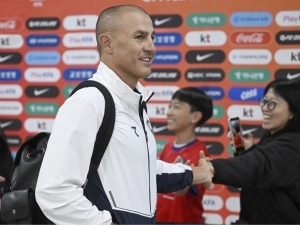
Дунё шубҳасиз икки стандартликдан чарчади. Биз яшаётган асрда бу энди “нормал” ҳолатга айланиб бўлган. Халқаро ҳуқуқ, халқаро тартиб нима ўзи, деган савол энди аҳамиятсиз. Чунки бундай жумлаларнинг инсоният ва ташқи сиёсатдаги ўрни энди деярли йўқ. Исталган соҳада бунинг исботи Исроил мисолида кўриши мумкин. Футбол афсонаси Эрик Кантона айтганидек, Россия Украинага бостириб кирганидан 4 кун ўтибоқ FIFA ва UEFA Россияни халқаро спорт мусобақаларидан четлаштириш ҳаркатларини бошлаганди, аммо Исроил Ғазода асрнинг энг даҳшатли геноцидини амалга ошираётганига бир неча кун эмас, 2 йил тўлди. Бироқ ўша ташкилотлар XXI асрдаги энг ғайриинсоний қатлиомларни уюштираётган давлатга қарши ҳеч нарса қила олмаяпти. Россияни четлатиш орқали унга геосиёсий босим қилишга уринган ўша иккита иккиюзламачи ташкилот Исроилга келганда “халқаро сиёсий жараёнга таъсир қила олмасликларини” даъво қилиб, ўзини четга олди. Сайланган раҳбарларнинг эса фақат аксариятигина бунга қарши нималардир қилишга уринмоқда холос. Аммо уларнинг ҳам Исроилни футбол ва бошқа спорт турлари орқали жазолашга кучи етмаяпти.
Энг биринчилардан бўлиб Исроилнинг геноцидига қарши чиққанларнинг олди қаторида турган ва бу учун тарихда яхши ном қолдириши тайин бўлган Испания Бош вазири Педро Санчес яҳудий давлатини халқаро спорт мусобақаларидан четлатишга чақирди. Испания Конгресси аъзоси Патхи Лопес эса агарда Исроил терма жамоаси ҳозирда давом этаётган саралаш босқичидан ўтса, Испания 2026 йилги Жаҳон чемпионатида қатнашмаслиги мумкинлигини ҳақида маълум қилди. Бу жуда жиддий сигнал эди. Чунки ЖЧни Испаниясиз тасаввур қилиб бўлмайди. Айни дамда бу давлат футбол бўйича халқаро рейтингда карвонбоши ҳисобланади. Лекин навбатдаги ЖЧ қаерда ўтаётгани бунга ҳалақит бериши тайин эди. Устига устак, қонун ҳимоячилари бўлган ХЖС ҳақли равишда Нетаньяхуни ҳибсга олишга ордер бергани учун АҚШ томонидан санкцияга учрагани сабабли FIFA ва UEFA каби ташкилотлар ҳам шундай эҳтимолий санкциялардан қўрққан бўлиш эҳтимоли юқори.
Исроил атрофида кетаётган воқеаларга эса кутилганидек АҚШ ва унинг ултраисроилпараст раҳбари аралашгани аён бўлди. Трамп маъмурияти Исроилни футбол бўйича Жаҳон чемпионатидан четлаштириш ҳаракатларига қарши чиққани айтилди. “Sky News” телеканалига кўра, Оқ уй FIFA'нинг Исроилни халқаро футбол мусобақалари жумладан, ҳеч бўлмаганда, четлатишига йўл қўймаслик ва Исроил терма жамоасининг 2026 йилги мундиалда қатнашишини кафолатлашга ҳаракат қилди. Манбаларга кўра, Давлат департаменти Яқин Шарқдаги "жазманига" қарши спорт санкцияларининг жорий этилишига йўл қўймаслик учун масъул бўлган. Якунда эса адолат ғалабаси кечиктирилди. UEFA Исроил терма жамоалари ва клубларини халқаро мусобақалардан четлаштириш бўйича қарорни ортга суришга мажбур бўлди.
Аммо Исроил спорт мусобақаларида қатнашади-ми ёки йўқ, буниси муҳим эмас. Инсонлар учун ўйналадиган спорт турлари, жумладан, футбол ичида миллионлаб эмас, балки миллиардлаб мухлислар яҳудий давлатининг клубларидан тортиб миллий термасининг ўйинларини қандай кайфиятда қарши олаётганининг ўзи Исроил деган ном исталмаганлар ва четга улоқтирилган, деган манони англатаётганидан далолатдир. Ҳаммаси мухлислар учун ва бу ерда барчасига мухлислар баҳо беради. Шундай экан Исроил футбол клублари ва термаси қатнашаётган ўйинлардаги атмосферадан барчасини англаш мумкин. Бу ном рад этилмоқда, ҳатто мухлислар ўриндиқларга “Исроилга қизил карточка”, деган баннерларсиз бормаяпти. Ҳатто замонавий футболнинг энг кучли мураббийи дея тан олинадиган Пеп Гуардиола ҳам сўнгги пайтларда Озод Фаластин шиорининг юзларидан бирига айланди. У 4 октябрь куни Испания фуқароларини Барселонадаги Жардинец де Грасия майдонида ўтазилган Ғазодаги геноцидга қарши норозилик намойишида иштирок этишга чақирди. Тез орада Каталониядаги ушбу норозилик намойишларининг кўлами кенгайди.
“Биз минглаб болалар аллақачон вафот этган ва яна кўплаб болалар вафот этиши мумкин бўлган геноцидга гувоҳ бўлмоқдамиз. Ғазо сектори вайрон бўлган, тўда-тўда одамлар озиқ-овқациз, ичимлик сувисиз ва дори-дармонсиз сарсон-саргардон ҳолатда. Фақат уюшган фуқаролик жамияти одамларнинг ҳаётини сақлаб қолиши ва ҳукуматларни бир марта ва бутунлай ҳаракат қилишга мажбур қилиши мумкин. 4 октябрь куни Жардинец де Грасиа кўчаларини тўлдириб, геноцидни тўхтатишни талаб қиламиз”, дея мурожаат билан чиқди Гвардиола.
У аввал ҳам, хусусан, жорий йил июнь ойида Манчестер университетининг фахрий унвонини олганидан кейин Ғазодаги азоб-уқубатлар ҳақида нутқ сўзлаб, кўпчиликни ҳайрон қолдирганди.
АҚШ қайсидир урушга тайёрланяпти
АҚШ ортда қолган ҳафта бошида ўзининг барча генераллар ва адмираларини бир жойга тўплади. Дунёда глобал хавф ортгани, АҚШ рақиблари бирлашгани ва бундан буёғига ҳар қандай ҳолатда урушга тайёр бўлиш чақириғи билан бошланган бу шошилич йиғин Виржиниядаги Куанико шаҳарчасида бўлиб ўтди. Унда Трамп ва эндиликда Уруш вазирлиги деб ном олган тузилма раҳбари Пит Ҳегсет асосий нутқ сўзловчи бўлди. Қизиқ томони, бу йиғилишни истеъфодаги генерал Бен Ходжес тармоқдаги саҳифасида "1935 йил июль" деб номлади. Ҳегсет эса Ходжеснинг постига жавобан “Ажойиб ҳикоя, генерал” дея изоҳ қолдирди. Маълумот учун, шу йили ҳудди шу ойда германиялик генераллар Берлинда кутилмаганда шошилинч тарзда йиғилишга чақирилади. Уларнинг эски Веймар конституциясига берган аввалги қасамёдлари ҳақиқий эмаслиги ва улар энди фюрерга янгитдан шахсий қасамёд қилишлари талаб қилиниши сўралади. Аксарият генераллар ўз лавозимларини сақлаб қолиш учун янги қасамёдни қабул қилишга мажбур бўлади. Улар ўшанда бир неча йиллардан сўнг инсоният тарихидаги энг дахшатли қирғинларни бошлаган Адольф Гитлерга бўйсунади.
Ходжес айни шу ҳикояни қисқача эслаб ўтди. Ҳегсет эса бунга кинояли жавоб қайтарди. Чунки Трамп маъмурияти ўтказган мазкур йиғилишнинг айрим жиҳатлари Гитлер ташкил қилган қайтадан қасамёд қилишга мажбурлаш жараёнига ўхшайди, дейиш мумкин. АҚШ армияси генераллари ва денгиз флоти адмираллари Ҳегсетнинг 45, сўнгра Трампнинг бир соатлик нутқини эшитишга мажбур қилинган шу кунда бундан кейин кўп нарсалар ўзгаришига ишора қилинди. Пентагон залларида семиз генераллар ва адмираллар бўлмаслиги айтилганидан тортиб ирқчиликка яшил чироқ ҳам ёқилди. Чунки Ҳегсет ирқ квоталари асосидаги тайинлашларни тўхтатиш ниятини билдирди. Бундан ташқари, у ҳарбий хизматчиларга қилинган ҳуқуқбузарликлар ҳақида хабар беришга имкон берувчи шикоят қилиш тартиблари йўқ қилинишини ҳам эълон қилди. Масалан, энди қайсидир қора танли аскар ирқий камситишга учрайдиган бўлса, унинг шикояти қабул қилиниши ҳамда тегишли тартибда ҳал этилиши амримаҳол. Нафақат ирқий камситиш балки, жинсий зўравонликдан тортиб бошқа маиший муаммолар ҳақида ҳам эътирозлар қабул қилиш тизими Трамп даврида фалажланади. Бу эса АҚШнинг амалдаги Президенти ҳақида олдин айтилган танқидлар асосли эканини кўрсатмоқда. Яъни Трамп қора танлилардан нафратланади ва у ирқчи, деган фикрлар шунчаки туҳмат эмас экан.
Ҳегсетнинг шармандали ва кулгули нутқи қандай қарши олинганига қайтадиган бўлсак, генераллар унинг сўзларига қарсак чалишни ўзларига эп кўрмади. Уруш вазири ўзини қандайдир улуғвор сўзлар айтаётгандек ҳис қилди ва ора-орада қарсаклар кутаётгандек тўхтаб қолди. Лекин залдан олқишлар янграмади. Ундан сўнг, Трамп сўзга чиқди ва “бундай сукунатдаги одамлар гуруҳини ҳеч кўрмагани” ҳақида ҳазиломуз сўз қотди. У йиғилган ҳарбий раҳбарларга душман АҚШнинг ўзида ичкаридан ҳужум қилаётгани, "Америка ичкаридан босқин остида" экани ҳақидаги сафсаталарни қайта-қайта такрорлади.
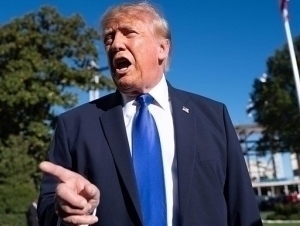
"Биз ичкаридан босқин остидамиз. Уларнинг хорижий душмандан фарқи йўқ. Лекин кўп жиҳатдан бу ташқи босқинчилардан хавфлироқ. Чунки улар махсус форма киймайдилар. Агар улар форма кийганларида сиз уларни йўлдан олиб ташлашингиз мумкин бўларди”, деди Трамп.
Трамп бекорга бу гапни айтгани йўқ. У ички босқинчилар деганда кўп эҳтимол АҚШда унинг сиёсатига қарши намойишлар ўтказаётганларни назарда тутди. Чунки у Оқ уйга қайтганидан бери бир нечта штатга ҳарбийларни киритиб, куч ишлатар тузилмаларга картбланш берди. Бир неча кун олдин Орегон штатининг Портленд шаҳрига 200 нафар миллий гвардия қўшинини киритиб "керак бўлса, тўлиқ куч ишлатиш" буйруғини бергани бунга яққол мисол. Трампнинг чиқиши эса жиддий генераллар томонидан ҳудди Ҳегсетники сингари совуқ қарши олинди. У ҳам ўзининг уруш вазири сингари, баъзан тўхтаб қолар, гўё генералларнинг қарсак чалишини ёки кулишини кутгандек кўринди. Аммо унинг ҳазилларига кулгилар, ҳаёлида ҳудди жарангдор чиқаётган жумлаларига эса қарсаклар янгарамади.
Қисқаси, истеъфодаги генерал Ходжес таъкидлаганидек, Трамп ва Ҳегсетнинг аҳмоқона буйруқлари шу куни йиғиилган генераллар томонидан бажарилмайди, дегани эмас. Улар ўз қўшинлари янада оқроқ рангда бўлиши ҳақида сигнал олди. Бундан ташқари, ушбу офицерлар кейинги миссиялари асосан ички норозиликни бостиришни ўз ичига олиши ҳақида ҳам кўрсатма олдилар. Энг қизиғи улар лавозимларини сақлаб қолиш учун бу буйруқларни бажариши ёки уларга қарши чиқиб, истеъфо бериш ўртасида танлов қилиш имконига эга. Лекин кўп эҳтимол ҳарбий погондагиларнинг аксарияти биринчи йўлни танлаши табиий. Ҳудди Гитлерга қасамёд қилган ўтмишдаги мавқедошлари каби.
Жапаров ўлим жазосини тиклашни таклиф қилди
Қирғизистонда жинсий зўравонлик ва унинг ортидан ўлим ҳолати содир бўлиши мамлакатда ўлим жазоси қайта тикланишига сабаб бўлиши мумкин. Бир ҳафтадан буён Марказий Осиёдаги интернет фойдаланувчилари 27 сентябрда иссиқкўллик 17 ёшли Ойсулув Мукашеванинг аянчли қисматидан ёқа ушламоқда. 11 синфга қадам қўйганига кўп бўлмагам бу қиз ўғирлаб кетилиб, жинсий зўравонликка учрагани ва кейин ваҳшийларча ўлдирилиб, далага ташлаб кетилгани маълум бўлди. Маълумотларга кўра, ўша куни тушдан кейин Ойсулув Қоракўл шаҳридаги дугонасиникига боришини айтиб, Барскаун қишлоғидаги уйидан чиқиб кетгач бедарак йўқолган. У тушиб қолган кузатув камераси ёзувларида қизнинг йўл ёқасида юриб кетаётгани акс этган. Кейинчалик унинг жасади узоқ дара яқинидаги Жал-Ариқ ҳудудидан топилиб, қизнинг зўрлангани ва ўлдирилгани аниқланган. Қирғиз ОАВларининг ёзишича, жиноят 27 сентябрь куни Жениш қишлоғида жойлашган “Азамат” пляжи ҳудудидаги олма боғида соат 13:00 лар атрофида содир этилган.
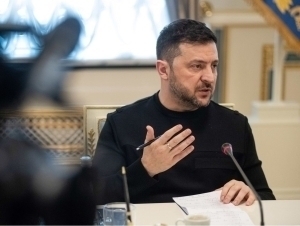
Ҳозирда эса кузатув камерасида муҳрланган кадрларга асосланиб, Ойсулувнинг йўлдаги ўткинчи машиналардан бирига ўтириб кетгани тахмин қилинмоқда ва 41 ёшли ҳайдовчи гумонланувчи тариқасида қўлга олинган. Ойсулувнинг жонсиз танаси 30 сентябр куни ўз қишлоғида дафн этилди. Мазкур воқеа инсонлар қалбини жунбишга келтирди, ижтимоий тармоқлар турли мунозараларга тўлиб-тошди. Аммо Ойсулувнинг ўлими шунчаки қайғули бир воқеа бўлиб қолмади. Унинг аянчли тақдири Қирғизистон қонунчилигида тектоник ўзгаришга асос бўлиши мумкин. Чунки Президент Садир Жапаров Ойсулувнинг ўлимига жуда кескин сиёсий реакция билдириб, мамлакатда болалар ва аёлларга нисбатан содир этилган оғир жиноятлар учун ўлим жазоси жорий этишни таклиф қилди.
Бу эса аслида кутилмаган янгилик эмас. Чунки Қирғизистонда 2022 йилда ҳам вояга етмаганларга қарши зўравонлик ҳолатларининг ортиб бораётгани фонида қирғизистонлик баъзи депутатлар бундай жиноятлар учун ўлим жазоси қўлланилишини назарда тутувчи қонун лойиҳаларини илгари сурган. Ҳатто бу бўйича референдум ўтказиш масаласи ҳам кўтарилган. Бироқ айрим эксперт ва бошқа депутатлар бу ташаббусга қарши чиққан. Улар Қирғизистон суд тизимининг адолациз ва номустақил эканини қайд этиб, бегуноҳ одамлар ўлдириб юборилиши мумкинлигини таъкидлаган. Бош вазир ўринбосари Эдил Байсалов ҳам қонун лойиҳасига қарши чиқиб, ўшанда “ҳукумат бундай ҳиссий ташаббуслардан Конституцияни қатъий ҳимоя қилади”, деганди. Эътиборли томони эса, Жапаров қайтармоқчи бўлган ўлим жазосига тақиқ мамлакат миқёсида конституцион даражада ман этилган. Қирғизистонда ўлим жазоси охирги марта 1998 йилда ижро этилган. 1991 йилдан 1998 йилгача бўлган даврда ушбу ҳукм отув йўли билан амалга оширилган. Жиноят кодексига кўра, ижро ошкора тарзда амалга оширилмаган. Қатл ижро этилгачгина марҳумнинг қариндошларига хабар қилинган, лекин жасад қайтариб берилмаган ва дафн жойи сир сақланган.
Кейинги йилларда ҳам Қирғизистон қинунчилигида ўлим жазоси сақланиб қолган, аммо бундай ҳукмлар амалга оширилмаган. 2007 йилга келиб эса Қирғизистоннинг ўша пайтдаги президенти Қурманбек Бакиев Жиноят кодексига ўзгартиришлар киритувчи қонунни имзолаб, ўлим жазосини умрбод қамоқ жазоси билан алмаштирди. 2010 йилда Қирғизистон “Фуқаролик ва сиёсий ҳуқуқлар бўйича халқаро пакт”нинг иккинчи ихтиёрий протоколини ҳам ратификациясини қилиб, ўлим жазосини бутунлай бекор қилиш мажбуриятини олган. Шу тариқа, бугунги кунгача мамлакатдаги энг оғир жазо чораси минтақадаги бошқа давлатлар каби умрбод қамоқ ҳисобланади. Умуман олганда, ўша кезларда яъни 2007 йилдан 2010 йилгача бўлган даврда Марказий Осиёда ўлим жазосидан воз кечиш тенденсияси кузатилган. Ўзбекистон ҳам ўша даврда бу жазо чорасини бекор қилган.
Албатта, гап инсон ҳаётига қонуний тарзда нуқта қўйиш ҳақида гап борар экан, бу масалада ҳар бир элементар жиҳат ҳам ўта аниқ далилларга муҳтож ва бусиз барчаси ўта аянчли якун топиши мумкин. QALAMPIR.UZ боғланган инсон ҳуқуқлари фаоли Озод Жўрабоевнинг фикрича, ўлим жазосини тиклаш масаласи гуманизм тамойиллари, халқаро меъёрлар ва жиноятчиликка қарши курашнинг амалий самарадорлиги нуқтаи назаридан баҳоланиши зарур. У адолатга эришишнинг энг тўғри йўли жазони ўта қаттиқлаштириш эмас, балки унинг муқаррарлигини таъминлаш эканини таъкидлади. Ҳуқуқ фаолига кўра, ўлим жазосини тиклаш қатор фундаментал сабабларга умумий номақбул қадам ҳисобланади.
“Жапаровнинг таклифи Мукашеванинг ўлими туфайли юзага келган ижтимоий ғазабга сиёсий жавобдир. Бироқ, давлатлар популизмга эмас, балки принсипиализмга ва тизимли мустаҳкамликка асосланиши керак. Ўлим жазосини тиклаш бу олдинга эмас, балки ўтмишга чекинишдир”, дейди ҳуқуқ фаоли.
Аммо Жапаров ўлим жазосини вояга етмаганларга нисбатан жинсий зўравонлик қилганларга нисбатан жорий қилиши вазиятни янада мураккаблаштиради. Биринчи навбатда инсоният бошига бало бўлиб турган педофилизмни чеклаш учун давлатлар оғир жазоларни жорий қилишга мажбур бўлади. Кимёвий кастрациядан тортиб, умрбод қамоқ жазосига қадар. Чунки, тўғри ўлим жазоси жуда оғир ва зиддиятли масала, аммо мурғак қизларни зўрлаб, кейинчалик ваҳшийларча ўлдириб юбориш ҳам ҳеч бир соғлом ақл кўтара олмайдиган жирканч жиноятдир.
Live
All