Ўзбекистонда креатив иқтисодиётнинг ЯИМдаги улуши 5 фоизга етказилади
Жамият
−
12 Февраль 2969 4 дақиқа
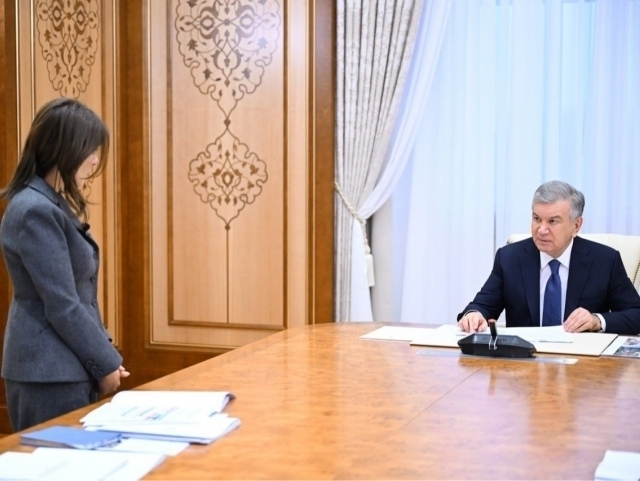
2030 йилга қадар креатив иқтисодиётнинг ЯИМдаги улушини 5 фоизга ёки 145 триллион сўмга етказиш мақсад қилинган. Бу ҳақда бугун, 12 февраль куни Президент Шавкат Мирзиёев танишган креатив иқтисодиётни ривожлантириш, маданият муассасалари инфратузилмасини яхшилаш ҳамда янги креатив майдонларни ташкил этиш юзасидан тақдимотда сўз боради.
Қайд этилишича, бугунги кунда креатив иқтисодиёт кўплаб давлатларда иқтисодий ўсишнинг асосий драйверларидан бирига айланмоқда. Жаҳон ялпи ички маҳсулотининг 3-7 фоизи ушбу соҳа ҳиссасига тўғри келади. Мамлакатда 2024 йилда креатив иқтисодиётнинг ЯИМдаги улуши 3,7 фоизни ёки 56,8 триллион сўмни ташкил этган, экспорт ҳажми эса 770,6 миллион долларга етган, соҳада 319 минг нафардан ортиқ аҳоли банд.
Аҳолининг 60 фоиздан ортиғи ёшлар экани, рақамли инфратузилманинг жадал ривожланаётгани ҳамда маданий мерос бойлиги ушбу соҳада “катта сакраш” қилиш учун мустаҳкам замин яратаётгани таъкидланган.
Шу мақсадда 2024 йилда креатив иқтисодиёт тўғрисида алоҳида қонун қабул қилиниб, соҳанинг ҳуқуқий асоси яратилган эди. Креатив индустрия парки таъсис этилиб, унинг резидентлари учун махсус солиқ режими жорий этилган. Жумладан, даромад солиғи ва ижтимоий солиқ ставкаси 12 фоиздан 6 фоизга туширилган. Соҳадаги тадбиркорларга бир қатор бошқа имтиёзлар ҳам берилган.
Мана шу чора-тадбирлар ҳисобига 2030 йилга қадар креатив иқтисодиётнинг ЯИМдаги улушини 5 фоизга ёки 145 триллион сўмга етказиш, экспортни 1 миллиард долларга олиб чиқиш, соҳадаги банд аҳолини 500 минг нафардан ошириш мақсад қилинган.
Тақдимотда Тошкент шаҳрида жойлашадиган Креатив индустрия паркининг концепцияси кўриб чиқилди. Унда яшил боғ, арт-объектлар, халқаро дастурлаш тармоғининг Тошкент мактаби, китоб кафеси, спорт майдонлари, ижодий павильонлар, коворкинг маркази ва офислар, кино ва видео ишлаб чиқариш майдонлари, овоз ёзиш студияси, креатив индустрия кампуси ҳамда ёшлар ва ижодкорлар учун меҳмонхона барпо этилади. Лойиҳа давлат-хусусий шериклик асосида амалга оширилади.
Шунингдек, Янги Тошкент ҳудуди ва Нукус шаҳрида креатив парклар ташкил этилиши режалаштирилган.
Янги Тошкентда креатив парк резидентлари учун ижара майдонлари, студиялар, медиа ва анжуман заллари, тижорат ва хизмат кўрсатиш объектлари жойлаштирилса, Нукус шаҳрининг Истиқлол боғидаги мавжуд павильон реконструкция қилиниб, кўп функцияли жамоат-маданият марказига айлантирилади.
Нукусдаги креатив парк лойиҳасининг эътиборли жиҳати шундаки, унда Ўзбекистоннинг “ЭКСПО-2025”даги миллий павильони жойлаштирилади ва ёнида замонавий кутубхона барпо этилади.
Ўзбекистондаги маданият марказлари фаолияти танқидий таҳлил қилинган. Республикадаги 800 дан ортиқ маданият марказининг ярмидан кўпи таъмирталаб ҳолатда экани қайд этилган. Аксарият маданият марказлари ҳалигача эскича ишлаётгани, асосан байрам тадбирларини ўтказиш билан чекланиб қолгани кўрсатиб ўтилган.
Шу боис, маданият марказларини замонавий андоза асосида ривожлантириш бўйича пилот лойиҳа ишлаб чиқилган. Лойиҳа Тошкент, Қўқон, Бухоро ва Самарқанддаги 4 та марказни қамраб олган бўлиб, биринчиси Тошкент шаҳридаги “Гулшан” маданият маркази негизида ташкил этилмоқда. Унда “маданият – таълим – ҳордиқ – мулоқот” занжири асосида турли йўналишларидаги клублар, устахоналар, студиялар ва тўгараклар ташкил этилади.
Тақдимотда Буюк Британия Қироллик жамғармаси мактаби тажрибаси асосида Тошкент шаҳрида Анъанавий санъат олий мактабини ташкил этиш режалари ҳам кўриб чиқилган.
Ушбу олий мактаб кулолчилик ва ғишт териш, манзарали безак, ёғоч ўймакорлиги, архитектуравий хаттотлик, геометрик ва биоморф нақш йўналишларида бакалавриат ва магистратура дастурларини амалга оширади. Таълим инглиз тилида олиб борилади, икки йиллик дастур асосида мутахассислар тайёрланади. 2027 йилда 50 нафар мутахассис тайёрлаш, 2031 йилга келиб, йилига 80 нафар кадр қувватига чиқиш режалаштирилган.
Шунингдек, тақдимотда Миллий реставрация институтини ташкил қилиш, Самарқанд шаҳридаги Бибихоним масжидини реставрация қилиш, “Туркистон” ёзги амфитеатрини таъмирлаш лойиҳалари кўриб чиқилган. Лойиҳалаштириш ва реставрация ишларини UNESCO билан тўлиқ келишилган ҳолда бажариш зарурлиги қайд этилган.
Давлат раҳбари креатив иқтисодиётни ривожлантириш нафақат маданий, балки иқтисодий жиҳатдан стратегик муҳим эканини таъкидлаб, белгиланган лойиҳаларнинг ижросини сифатли таъминлашга кўрсатма берган.
Live
БарчасиЖиззахда 10 ёшли қиз зўрланди
06 Октябрь
Сергелидаги масжидга ўт кетди
03 Октябрь