Ўзбекистонда ГМО маҳсулотларини тартибга солувчи ҳукумат қарори кутилмоқда (видео)
Жамият
−
25 Февраль 5499 4 дақиқа
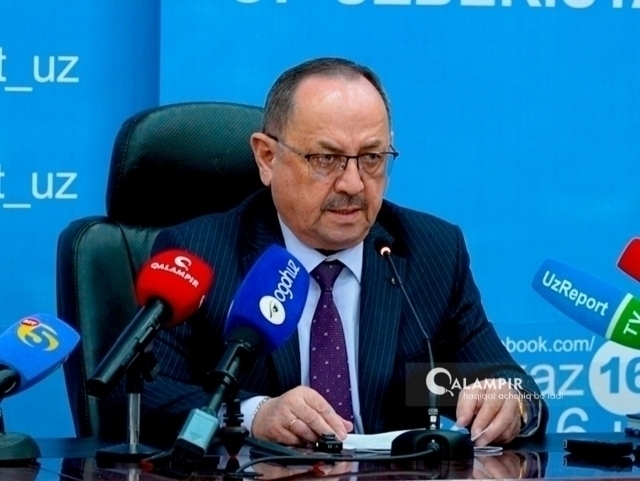
Генетик модификация қилинган маҳсулотлар кўпайиб бораётганлигини эътиборга олиб, бу бўйича алоҳида топшириққа асосан ҳукумат қарори тайёрланган. Яқин кунларда бу қарор имзоланади ва кенг жамоатчилик эътиборига етказилади. Бу ҳақда Санепидқўмита раиси ўринбосари Нурмат Отабеков маълум қилди.
Қишлоқ хўжалиги, биотехнология соҳаларида генетик модификациялаштирилган организмлар ривожланиш босқичи сифатида кўрилади ва шу билан биргаликда унинг аллергик реакция, экологияга қарши хавфлари ҳам мавжуд. Ҳатто ривожланган давлатларда ҳам ГМО маҳсулотларга баъзи чекловлар ўрнатилган. Санепидқўмита раиси ўринбосари Нурмат Отабеков QALAMPIR.UZ журналистининг Ўзбекистонда генетик модификация қилинган организмлар бўйича илмий ва назорат механизмлари қандай экани ҳақидаги саволига жавоб берди.
Унга кўра, “генетик модификацияланган маҳсулотлар кони зарар”, деган фикр тўғри эмас ва буни қандайдир фожиа сифатида кўриш хато. Лекин шу билан биргаликда унинг меъёри бўлиши шарт.
Маълумотларга кўра, Ер курраси тўрт миллиард одамни органик маҳсулот билан боқа олиш имкониятига эга. Демак, ҳозир тақрибан саккиз миллиард аҳоли бўлса, қайсидир бир қисми генетик модификацияланган маҳсулотлардан ё синтетик маҳсулотлардан фойдаланаётган бўлиш эҳтимоли бор. Ўзбекистонда эса озиқ-овқат маҳсулотларини ишлаб чиқариш жараёнида генетик модификацияланган маҳсулотлар бор ёки йўқлигини аниқлаш, уларда маркировка кўрсатилганлигига баҳо бериш бўйича алоҳида ҳукумат қарори тайёрланган. Яқин кунларда бу қарор қабул қилиниши кутилмоқда.
“Барча халқаро экспертларни жалб қилган ҳолда дунё ҳамжамиятининг тажрибаларидан келиб чиққан ҳолда қарор лойиҳаси тайёрланган. Бу тизим Ўзбекистон ҳудуди учун унчалик оммалашмаган эди. Лекин борган сари бу каби маҳсулотлар кўпайиб бораётганлигини эътиборга олиб, бу бўйича алоҳида топшириққа асосан ҳукумат қарори тайёрланган. Қарор яқин кунларда имзоланади ва кенг жамоатчилик эътиборига етказилади”, дейди Отабеков.
Хўш, оддий аҳоли ГМОни жайдари маҳсулотлардан қандай аниқлаб олади? Санепидқўмита раиси ўринбосарининг қўшимча қилишича, кўчада сотилаётган ширин маккажўхориларнинг ҳаммаси генетик модификацияланган маҳсулотлар. Жайдари жўхори ҳеч қачон тўлиқ донли, чиройли кўринишли бўлиши мумкин эмас.
“Умуман, генетик модификацияланган маҳсулотлар саломатликка, яъни инсон организмига таъсир қилиб, генни ўзгартириб олиш қудратига эга эмас. Лекин, албатта, истеъмолда органик маҳсулотларни кўпайтириш нуқтаи назаридан бунга қизиқиш билдириш мумкин”, дейди у.
Маълумот учун, генетик модификацияланган организм – бу замонавий биотехнология ва ген муҳандислиги ёрдамида ДНК таркиби мақсадли равишда ўзгартирилган организмдир. Бу жараёнда бир организмнинг маълум бир хусусиятга жавоб берувчи гени (масалан, совуққа чидамлилик, зараркунандадан ҳимояланиш ёки витамин бойлиги) ажратиб олинади ва мутлақо бошқа турдаги организм генига сунъий равишда жойлаштирилади. Натижада табиатда ўз-ўзидан учраши имконсиз бўлган янги хусусиятли ўсимлик ёки ҳайвон пайдо бўлади.
Дунё бўйлаб ГМО экинлари асосан ҳосилдорликни ошириш, маҳсулот таннархини тушириш ва озиқ-овқат етишмовчилиги муаммосини ҳал қилиш учун яратилади. Масалан, ҳашаротларга чидамли маккажўхори ёки бегона ўтларга қарши дори (гербицид) сепилганда нобуд бўлмайдиган соя навлари шулар жумласидандир. Гарчи Жаҳон соғлиқни сақлаш ташкилоти ва халқаро экспертлар синовдан ўтган ГМО маҳсулотларини инсон саломатлиги учун бевосита хавфли деб ҳисобламаса-да, улар атрофида ҳамон турли баҳслар мавжуд.
Танқидчилар бундай маҳсулотлар келажакда аллергик реакциялар келтириб чиқариши, антибиотикларга чидамлиликни ошириши ёки экологик мувозанатни бузиб, ёввойи табиатда “супер бегона ўтлар” яратиши мумкинлигидан хавотир билдиради. Ўзбекистон каби давлатлар Жаҳон савдо ташкилотига аъзо бўлиш жараёнида айнан мана шу маҳсулотлар устидан қатъий назорат тизимини ўрнатиши, уларни лаборатория текширувидан ўтказиши ва истеъмолчи танлаш ҳуқуқига эга бўлиши учун маркировка (маҳсулот ёрлиғида ГМО борлигини кўрсатиш) тартибини жорий этиши талаб этилади. Бугунги кунда жаҳон бозоридаги соя, маккажўхори, пахта ва қанд лавлагининг салмоқли қисми ГМО асосида етиштирилмоқда, бу эса ушбу технологиянинг замонавий иқтисодиёт ва қишлоқ хўжалигининг ажралмас қисмига айланганини кўрсатади.

Live
БарчасиЖиззахда 10 ёшли қиз зўрланди
06 Октябрь
Сергелидаги масжидга ўт кетди
03 Октябрь