Трампнинг миграция сиёсати. Чет элда ёпилаётган логистика марказларидан ўзбекистонликларга қандай фойда?
Таҳлил
−
07 Июль 2025 6457 5 дақиқа

2025 йилнинг 20 январида лавозимга киришган АҚШ президенти Дональд Трамп иқтидорга келишининг дастлабки 100 кунида 80 дан ортиқ фармон ишлаб чиқди. Улар асосан, федерал ишчи кучини қисқартириш, мамлакат томонидан молиялаштирилувчи бир қанча дастурларни бекор қилиш, ноқонуний муҳожирларни депортация қилиш ва импорт товарларига бож тарифларини ошириш кабилардан иборат эди. Аммо Трампнинг кўпгина фармонлари нафақат Қўшма Штатлар, балки дунё аҳли муҳокамасига сабаб бўлди. Бир қанча баҳсли қарорлар судда кўриб чиқилиб, ўзгартирилди ёки бекор қилинди.
Трамп маъмурияти амалга ошираётган энг катта ва норозилик намойишларига сабаб бўлган қарор бу қатъийлаштирилган миграция сиёсатидир. “Dream of America”, яъни “Америка орзуси”ни янада узоқлаштиришга қаратилган бундай тизимли ҳаракатлар орқали Трамп барча пуллар мамлакат ичкарисида қолишини истаяпти. Шу мақсадда кўпгина логистика хизматларини кўрсатувчи чет эл диспетчерлик марказлари ёпилмоқда. Аммо бу ўзбекистонликларга кўпроқ фойда келтирмоқда. Қандай қилиб дейсизми? Мақолада шу ҳақда сўз боради.
Миграция – АҚШнинг ўзгарувчан сиёсати
АҚШ миграция сиёсати кўпинча тебранувчан бўлиб, йўналишнинг қай томонга оғиши асосан икки партия томонидан ҳал қилинади. Масалан, Демократлар ҳокимиятга келганида очиқликка, Республикачилар келганида эса ёпиқликка томон ўзгаради. Демократлар ноқонуний муҳожирлар ва бошпана сўровчиларнинг туб сабаблари сифатида иқлим ўзгариши, коррупция ва авторитар бошқарувларни кўрсатади, яъни бу омиллар бартараф этилмагунча миграцияни тўхтатиб бўлмаслигини таъкидлайди. Республикачилар партиясининг баъзи аъзолари эса ноқонуний мигрант ва бошпана изловчиларни АҚШга жиноят содир этиш учун бостириб кираётган потенциал террорчилар сифатида кўрсатади. Уларнинг фикрича, бундай шахслар мамлакатда жиноятчилик даражаси ошиб кетишига сабаб бўлади.
Миграция сиёсати одатда рамзий характерга эга – президентлар кўпинча реал вазиятни эмас, балки сиёсий сигнал берувчи қарорларни эълон қилади. Трампнинг миграция сиёсати АҚШнинг ноқонуний муҳожирлар ва бошпана изловчиларга “ёпиқ” экани сигналини беради.
АҚШ ҳар йили 1,1 миллиондан ортиқ муҳожирни қабул қилади, уларнинг аксарияти мамлакатда бўлган пайтда иммиграция визасини олади. АҚШ ҳар йили 500 мингдан ортиқ вақтинчалик меҳнат визалари беради, жумладан, шунинг 300 мингдан ортиғи H-2А – мавсумий қишлоқ хўжалиги ишчилари, 100 мингтаси H-2B – паст малакали қишлоқ хўжаликдан ташқари ишчилар ва яна 100 мингтаси H-1B – олий маълумотли ишчилар учун берилади.
Трампнинг миграция бўйича фармонлари

Трампнинг миграция бўйича биринчи фармони 2025 йил 29 январда эълон қилинган “Америка халқини бостириб киришдан ҳимоя қилиш” ҳақида бўлиб, ижро ҳокимиятига “АҚШда ноқонуний чет элликлар сонининг ортиши ёки давом этишига олиб келган аввалги маъмурият қарорларини бекор қилиш учун барча зарур чораларни кўриш” ҳақидаги буйруқ эди.
“Сўнгги 4 йилда аввалги маъмурият АҚШга мисли кўрилмаган даражадаги ноқонуний иммиграцияни таклиф қилди. Миллионлаб ноқонуний чет элликлар чегарани кесиб ўтди ёки тижорат рейслари орқали тўғридан тўғри учиб келиб, федерал қонунларга зид равишда Америка жамиятларида яшашига рухсат берилди”, дейилади фармон матнида.
30 январда эълон қилинган яна бир фармонда ҳам Жо Байден маъмурияти остида АҚШ кенг кўламли бостириб киришга дучор бўлгани таъкидланади. Фармонда Трамп ноқонуний чет элликлар оқимини тўхтатишни ваъда қилиб, Мексика-АҚШ чегарасида девор қуришни ва мамлакатга кириб келган ҳар қандай ноқонуний чет элликни ҳибсга олишни буюради.
Таъкидлаш лозимки, Трампнинг биринчи муддатидан сўнг лавозимга келган Жо Байден унинг бир қатор миграция сиёсатига оид фармонларини бекор қилган эди.
“Бу муаммонинг калити АҚШ чегарасида эмас. Биз сиёсий ислоҳотлар ҳамда одам ва гиёҳванд моддалар контрабандасига жавобгар жиноий гуруҳларни нишонга олиш орқали миграциянинг илдиз сабабларини ҳал қилишимиз керак,” деган эди Байден 2018 йил июнь ойида.
Бундан ташқари, у АҚШ бошпана изловчилар, қочқинлар ва хавфсиз жойда янги ҳаёт бошлашни истовчилар учун очиқ эканини билдирган. Байденнинг президентлик даврида хорижда туғилган АҚШ фуқаролари сони 8,3 миллионга ўсиб, 53 миллионга етди ва жами аҳолининг 16 фоизини ташкил этди.

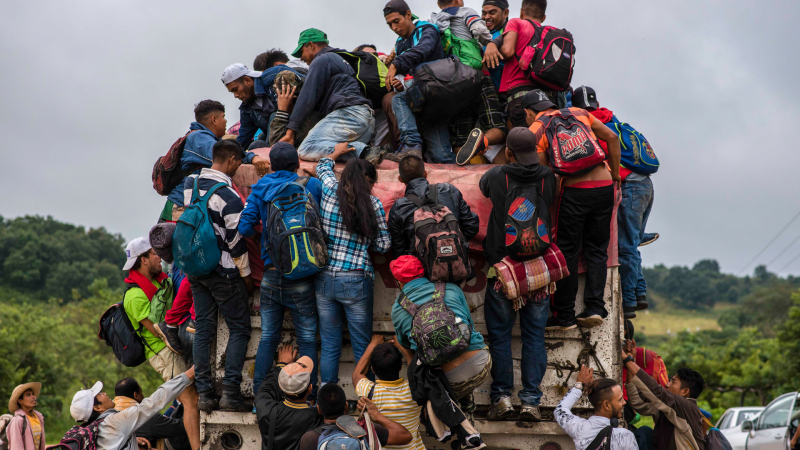
Трамп ноқонуний муҳожирларга қарши курашни кучайтирар экан, бу жиддий норозиликларга сабаб бўлди. Лос-Анжелесда бошланган Трамп маъмуриятининг марказлашган иммиграцияга қарши кучайтирилган рейдларига қарши норозилик намойишлари бутун мамлакат бўйлаб тарқалди. Хусусан, Нью-Йорк, Чикаго, Атланта, Омаҳа ва Сиэтлда шундай намойишлар бўлиб ўтди.
АҚШ компаниялари чет элдаги диспетчерлик марказларини ёпмоқда: бундан Ўзбекистон фойда кўрадими?

Сўнгги вақтларда АҚШда миграция сиёсати қатъийлаштирилаётгани фонида АҚШдаги бир қанча йирик логистика компаниялари харажатларни камайтириш ва операцияларни оптималлаштириш мақсадида ўз тизимларини қайта кўриб чиқмоқда. Бу жараёнда айрим мамлакатлардаги диспетчерлик марказлари ёпилмоқда. Жумладан, FedEx ва UPS каби йирик логистика компаниялари ўзларининг чет элдаги айрим логистика ва диспетчерлик марказларини ёпиш ёки қисқартиришга киришди. Бу ўзгаришлар бутун дунё бўйлаб логистика соҳасида муҳим тенденцияларда бурилиш бўлиши мумкин. Бироқ шуни ҳам таъкидлаш лозимки, UPS Дубайдаги юздан ортиқ ходим ишлаган минтақавий офисини ёпди. Аксарият ходимлар ишдан бўшатилган, баъзиларига эса Чехиядаги бошқа офисга ўтиш таклиф қилинган, аммо у ерда маош деярли 60% камайтирилган.
Бунинг асосий сабаблари қуйидагилар:
- Компанияларнинг харажатларни кескин камайтиришга ҳаракат қилиши;
- Автоматлаштириш ва технологияларга сармоя кўпайиши;
- АҚШ ҳукуматининг маълумот хавфсизлиги сабабли чет элда жойлашган марказларга ишончи камайиши;
- Чет элда ишловчи ходимлар орқали бошқарилаётган маълумотлар хавфсизлик жиҳатидан ноаниқ бўлиши ҳолатлари учраши.

Шундай бўлса-да, Ўзбекистон ҳали бу тўлқиндан зарар кўрган мамлакатлар қаторига кирмайди. Қолаверса, арзон диспетчерлик хизматларига талабнинг ошиши ҳам ўзбекистонликларга фойда келтириши мумкин. Сўнгги йилларда АҚШдаги кўплаб кичик ва ўрта логистика компаниялари диспетчерлик хизматларини айнан Ўзбекистонга олиб келмоқда. Бунга сабаб ишчи кучининг нисбатан арзонлиги, инглиз тилида яхши сўзлаша оладиган ходимлар мавжудлиги ва АҚШ вақтида ишлашга тайёр кадрлардир.
Бироқ, ҳозирги имкониятни доимий деб бўлмайди. FedEx ва UPS каби компанияларнинг стратегик қарорлари, автоматлаштириш, технологияларни жорий этиш, маълумот хавфсизлиги бўйича талабларнинг ошиши келажакда Ўзбекистондаги диспетчерлик марказларига ҳам таъсир кўрсатиши мумкин.

Live
БарчасиЖиззахда 10 ёшли қиз зўрланди
06 Октябрь
Сергелидаги масжидга ўт кетди
03 Октябрь