Тошкентдаги заҳарли чанг ортидан махсус комиссия тузилди
Local
−
25 November 2025 2729 3 minutes
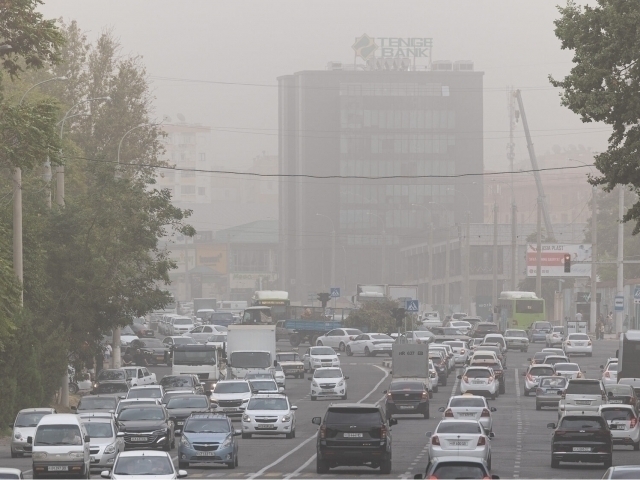
Аввалроқ, Ўзбекистон Республикаси Президенти Шавкат Мирзиёев “Тошкент шаҳрида экологик вазиятни яхшилаш бўйича кечиктириб бўлмайдиган чора-тадбирлар тўғрисида”ги фармонни имзолагани, ушбу ҳужжатга мувофиқ пойтахтда экологик вазиятни яхшилаш юзасидан кечиктириб бўлмайдиган чора-тадбирларни амалга ошириш бўйича махсус комиссия тузилгани ҳақида хабар берган эдик.
Махсус комиссия зиммасига қуйидагилар юкланмоқда:
• Тошкент шаҳридаги экологик вазиятни доимий таҳлил ва мониторинг қилиш, экологик вазиятнинг ёмонлашиш тенденцияларини прогноз қилиш;
• экологик вазиятни барқарорлаштириш бўйича давлат органлари, шу жумладан, ҳуқуқни муҳофаза қилувчи ва назорат органларининг ҳаракатларини мувофиқлаштириш ҳамда улар ўртасида зарур ҳамкорлик ва маълумот алмашишни ташкил этиш;
• экологик муаммолар бўйича тадқиқотларни мувофиқлаштириш, ушбу муаммоларнинг олдини олиш бўйича, шу жумладан, илғор хорижий тажрибани ўрганиш асосида ҳамда хорижий ва маҳаллий олим ва экспертларни жалб этган ҳолда, замонавий самарали усулларни ишлаб чиқиш ва жорий этиш;
• Тошкент шаҳрида экологик вазият мураккаблашган ҳолларда унинг оқибатларини юмшатишга қаратилган аниқ чора-тадбирларни молиялаштириш манбаларини белгилаган ҳолда, шу жумладан, умуммиллий экологик муаммоларни бартараф этиш давлат мақсадли жамғармаси ҳисобидан молиялаштиришни таъминлаш;
• оммавий ахборот воситаларини (телевидение, радио, интернет, ижтимоий тармоқлар, мобил алоқа операторлари ва бошқаларни) жалб қилган ҳолда, мавжуд экологик ҳолат, унинг аҳоли саломатлигига таъсири ва профилактика қилиш усуллари бўйича тушунтириш ишларини самарали ташкил этиш;
• Тошкент шаҳрида экологик вазият мураккаблашган ҳолларда уни яхшилашга қаратилган кечиктириб бўлмайдиган чоралар кўриш бўйича таклифлар тайёрлаш ва Ўзбекистон Республикаси Президентига киритиш.
Фармон билан махсус комиссияга қуйидаги ваколатлар берилмоқда:
- Табиий чангланиш кучайган пайтда саноат корхоналари, транспорт, иссиқлик таъминоти ва бошқа соҳаларда чекловларни жорий қилиш;
Транспорт воситалари ҳаракатини чеклаш, жумладан:
• Тошкент шаҳрида юк ташиш автотранспорт воситалари ҳаракатини вақтинча чеклаш амалиётини йўлга қўйиш;
• автотранспорт воситаларининг, шу жумладан, давлат рақамига мос равишда тоқ ва жуфт саналарда ҳаракатланишини чеклаш амалиётини жорий қилиш (электромобиллар бундан мустасно);
• ҳаракатланиши вақтинчалик чекланадиган автотранспорт воситалари турлари, кўчалар ва бошқа ҳудудларни белгилаш;
• атмосфера ҳавоси сифатига салбий таъсир қилувчи моддалар ёққан иссиқхоналар ва бошқа объектлар фаолиятини вақтинча ёки тўлиқ тўхтатиш;
• Тошкент шаҳридан бошқа ҳудудларга кўчирилиши мажбурий бўлган саноат корхоналари ва зоналарини белгилаш;
• саноат корхоналари учун ташламаларнинг рухсат этилган миқдорини белгилаш ва ушбу талабни бузган саноат корхоналари фаолиятини тўхтатиш бўйича белгиланган тартибда чора кўриш;
• қурилиш ишларини амалга оширишга чеклов ва уларга талаблар жорий қилиш, шу жумладан, қурилиш вақтида чангни бартараф этувчи ускуналарни ўрнатиш ва бошқа талаблар;
• давлат органлари ва бошқа ташкилотлари ҳамда ҳуқуқни муҳофаза қилувчи ва назорат органлари фаолиятини экологик талабларнинг амалга оширилишини таъминлаш мақсадида мувофиқлаштириш;
• оқар сув (дарё, канал, ариқ) объектларида сув объектлари қирғоқ муҳофаза минтақа зоналарида қурилишни тақиқлаш ва экологик вазиятни яхшилаш билан боғлиқ бошқа ваколатлар.
Махсус комиссиянинг юклатилган вазифалар ва берилган ваколатлар доирасида қабул қилинган қарорлари, кўрсатмалари барча давлат органлари ва ташкилотлари, ҳуқуқни муҳофаза қилувчи ва назорат органлари, юридик ва жисмоний шахслар учун мажбурий ҳисобланади.

Live
All26 October
26 October