Тошкентдаги заҳарли ҳавонинг асосий омили нималиги айтилди
Жамият
−
24 Ноябрь 2025 68771 2 дақиқа
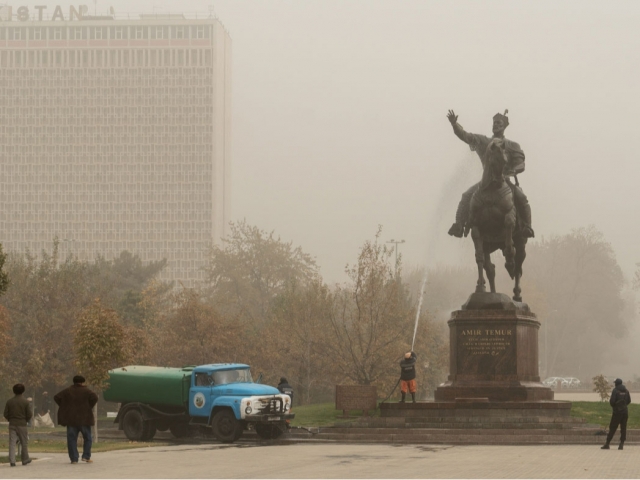
Бир неча кундан буён Тошкентда кузатилаётган ва мутахассислар томонидан соғлиққа ўта зарарли, деб баҳоланаётган PM 2,5 заррачаларининг асосий омили табиий чанг бўлиб қолмоқда. Бу ҳақда сўнгги вақтларда Тошкентда кузатилаётган об-ҳаво бўйича QALAMPIR.UZ’га етиб келган ёпиқ ҳужжатда сўз боради.
Унда қайд этилишича, Тошкентдаги заҳарли PM 2,5 заррачаларининг асосий ҳиссадори табиий чанг бўлиб, у умумий миқдорнинг 36 фоизини ташкил этмоқда. Иссиқлик таъминотидан чиқаётган заҳарли тутунлар эса 28 фоизга тенг. Шунингдек:
• транспорт воситалари – 16%;
• енгил саноат – 7%;
• оғир саноат – 6%;
• шаҳар чанги – 6%;
• чиқиндилар – 1% ни ташкил этмоқда.
Ушбу рўйхатга қурилиш объектларидан чиқаётган чанг омил сифатида киритилмаган.
Маълумотномада қайд этилишича, 2024 йилда Тошкент шаҳри атмосферасига 405,6 минг тонна ифлослантирувчи моддалар чиқарилган.
Иссиқлик таъминоти ҳиссасига тўғри келаётган 28 фоиз чанг миқдорини иссиқлик электр станциялари, иссиқлик марказлари, саноат корхоналари, иссиқхоналар ташкил этмоқда. Бу 9 та иссиқлик марказлари, “Янги Ангрен” ИЭС, “Тошкент” ИЭС, “Ангрен” ИЭС, 6517 та иссиқхонага тенг дегани.
Агар Ўзбекистонда 2019 йил 3,9 миллион тонна кўмир ёқилган бўлса, 2024 йилда бу миқдор 11,5 миллион тоннани ташкил этган.
2022 йилда йилига 446 миллион тонна мазут ёқилган бўлса, 2024 йилда бу миқдор 749 миллион тоннага тенг.
Эслатиб ўтамиз, Экология ва иқлим ўзгариши миллий қўмитаси раиси Азиз Абдуҳакимов QALAMPIR.UZ билан суҳбатда ҳар 1 дақиқада Марказий Осиё давлатларининг 9 кв метр майдони чўлланишга учраётган, дунё бўйлаб чўлланиш кучайиб бораётганини ва чангларнинг асосини айнан чўлланиш ташкил қилаётганини айтган эди.

Live
Барчаси