Тошкентда мигрантларни мақсадли тайёрлаш маркази ташкил этилади
Жамият
−
20 Апрель 3159 4 дақиқа
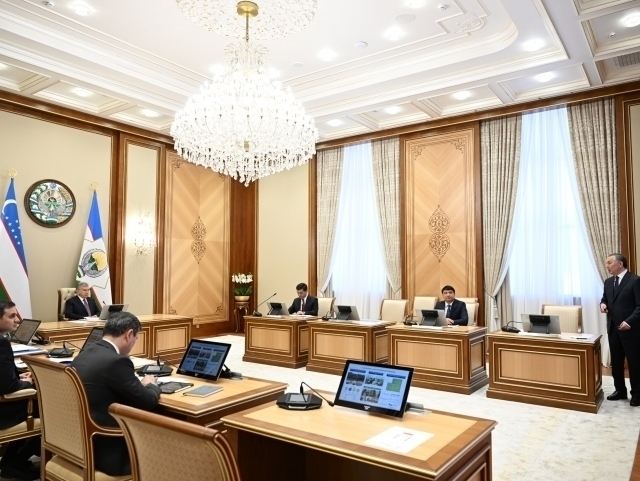
Тошкент шаҳрида меҳнат мигрантларини мақсадли тайёрлаш маркази ташкил этилади. Бу ҳақда бугун, 20 апрель куни Президент Шавкат Мирзиёев танишган ташқи меҳнат миграциясини тартибли ташкил этиш, фуқароларни хориждаги юқори даромадли иш ўринларига тайёрлаш ва уларни ҳар томонлама ҳимоя қилишга қаратилган чора-тадбирлар юзасидан тақдимотда сўз боради.
Қайд этилишича, бугунги кунда ўзбекистонликлар 40 га яқин давлатда меҳнат қилмоқда, хорижда меҳнат қилаётган фуқароларнинг сони 1,2 миллион нафарни ташкил этмоқда. Европа ва Шарқий Осиёнинг ривожланган давлатларида малакали ишчи кучига эҳтиёж йилдан-йилга ортиб бормоқда. Қолаверса, Европа комиссиясининг 2030 йилгача бўлган янги миграция стратегиясида Марказий Осиё билан миграция дастурлари, кадрлар тайёрлаш ва ноқонуний миграциянинг олдини олишга алоҳида урғу берилган.
Шу боис, ташқи меҳнат миграцияси бозори географиясини кенгайтириш, айниқса, юқори даромадли меҳнат бозорларига чиқиш устувор вазифа сифатида белгиланган.
Бугунги кунда хориждан тил ва касб талабларига жавоб берадиган 100 мингдан ортиқ малакали мутахассисга буюртмалар келиб тушган. Жумладан, Германияга 40 минг ҳамшира, Японияга 15 минг қурилиш, логистика ва сервис соҳалари мутахассислари зарур.
Мазкур эҳтиёжни қоплашда Германия, Корея ва Япония компаниялари билан техникумлар негизида ташкил этилган қўшма таълим лойиҳалари муҳим аҳамият касб этмоқда. Хорижий компаниялар билан ташкил этилган 12 та “Касб плюс тил” тамойили асосида қўшма таълим лойиҳаларида 8,5 минг фуқаро ўқимоқда. Уларнинг 3 минг битирувчиси аллақачон ишга жойлашган.
Эндиликда бундай лойиҳалар сонини 20 тага етказиш, талаб юқори бўлган замонавий касб ва хорижий тилларга ўқитиш кўламини 50 фоизга кенгайтириб, қамровни 10 минг нафардан ошириш режалаштирилган. Жумладан, Тошкент шаҳрида 12 та талаб юқори касб, 7 та чет тилига ўқитиш, 6 та сертификат имтиҳонини ўтказиш учун шароитлар ҳамда 600 ўринли ўқув кампусини ўз ичига олган мақсадли тайёрлаш марказини ташкил этиш назарда тутилмоқда.
Шунингдек, Андижон, Самарқанд, Фарғона ва Тошкент шаҳридаги тиббиёт техникумларида ҳамшираларни тил ва касбий кўникмалар бўйича халқаро имтиҳонларга тайёрлайдиган махсус ўқув курслари ташкил этилади. Шу билан бирга, қурилиш соҳасида бетончи, қолипчи, арматура тўқувчи ва пайвандловчиларни тайёрлаш ҳамда малакасини баҳолаш марказларини кенгайтириш чоралари кўрилади.
Ҳудудларда инфратузилмани яхшилаш мақсадида жойларда ягона миграция марказлари ва ҳайдовчиликка ўқитиш хабларини ташкил этиш таклиф этилган.
Мавсумий иш йўналишларини ҳам кенгайтириш зарурлиги қайд этилиб, бу борада аграр ва туризм соҳаларида имзоланган 12 та янги халқаро битим асосида АҚШ, Буюк Британия, Франция, Испания, Италия, Туркия ва Корея каби давлатлар билан ҳамкорликни ривожлантириш топширилган.
Тақдимотда миграцияни тартибли ташкил этишнинг янги молиявий механизмлари ҳам муҳокама қилинган. Хусусан, чет тилини ўрганиш харажатларининг 50 фоизини, касбий малака имтиҳони харажатларини эса тўлиқ қоплаб бериш тартибини жорий этиш, бунда маблағларни ўқув марказларига эмас, фуқароларнинг ўзига бериш таклиф қилинган. Шунингдек, чет элда ишга жойлашган ҳар бир ишчи учун хорижий иш берувчи ва рекрутинг компанияларни рағбатлантиришнинг янги тартиби кўриб чиқилган.
“Хорижда иш” миграция платформасини янада такомиллаштириш, унга сунъий интеллект технологияларини жорий этиш орқали иш берувчилар ва аҳоли учун енгиллик ҳамда қулайлик яратиш масаласига ҳам алоҳида эътибор қаратилган.
Давлат раҳбари Миграция агентлиги фаолияти фақат ташқи меҳнат миграцияси билан чекланиб қолмасдан, ички меҳнат бозорини сифатли кадрлар билан таъминлашга ҳам хизмат қилиши лозимлигини таъкидлаган.
Фуқароларни хорижда қонуний ва хавфсиз меҳнат фаолиятига жалб қилиш билан бирга уларнинг ҳуқуқ ва манфаатларини ҳимоя қилиш масаласи ҳам муҳокама қилинган. Уларнинг соғлиғи, яшаш ва меҳнат шароитларини доимий мониторинг қилиб бориш зарурлиги таъкидланган. Шу мақсадда 37 та давлатда қўллаб-қувватлаш ишлари йўлга қўйилган бўлиб, 48 минг нафар фуқарога ижтимоий, 17 минг нафарига ҳуқуқий, 6 минг нафарига моддий ёрдам кўрсатилгани маълум қилинган.
Шу билан бирга, мамлакатда вақтинча рўйхатда турган чет эл фуқаролари ва фуқаролиги бўлмаган шахсларнинг рухсатномасиз ишлаш ҳолатларини тартибга солиш зарурлиги кўрсатиб ўтилган. Бу борада идоралараро ҳамкорликни йўлга қўйиб, ноқонуний миграцияни таҳлил ва прогноз қилиш, норасмий меҳнатни легаллаштириш, миллий қадриятлар ҳамда мамлакатда бўлиш қоидаларини тушунтириш зарурлиги кўрсатиб ўтилган.
Президент таклифларни маъқуллаб, ташқи меҳнат миграциясини замон талабларига мос равишда ташкил этиш, соҳада рақамли ечимлардан кенг фойдаланиш бўйича мутасаддиларга тегишли топшириқлар берган.

Live
БарчасиЖиззахда 10 ёшли қиз зўрланди
06 Октябрь
Сергелидаги масжидга ўт кетди
03 Октябрь