“Титаник” чўкишидан атом бомбаси портлашигача: ҳақиқатга айланган башоратлар
Бу қизиқ
−
22 Июль 2025 25090 6 дақиқа

Инсоният келажакни олдиндан билишга ҳар доим интилган. Айримлар буни илоҳий башоратлар орқали амалга оширишга уринган бўлса, бошқалар илмий фараз ва кузатувлар асосида қилган. Қизиқ томони шундаки, баъзи одамлар келажакда рўй берадиган воқеаларни олдиндан айтиб бергандек туюлади. Ушбу мақолада тарихда машҳур ва кўплаб баҳс-мунозараларга сабаб бўлган башоратлар, жумладан, “Титаник” фожиаси, ўлатдан кейинги “Лондон ёнғини”, ўлимини башорат қилган ёзувчи, атом бомбасининг яратилиши ҳамда Доналъд Трампнинг президент бўлиши каби мисоллар асосида таҳлил қилинади.
Титаник фалокати

1912 йилда Нью-Йорк томон йўл олаётган “Титаник” кемаси фожиага учрагач, аллақачон унутилган ҳикоя яна тилларга тушади. Бу америкалик ёзувчи Морган Робертсон муаллифлигидаги 1898 йилда ёзилган “Futility or the Wreck of the Titan” номли қисса эди. Китоб ва реалликнинг нима алоқаси бор эди, дейсизми?
Гап шундаки, ушбу фантастик асар ва у яратилганидан 14 йил ўтиб юз берган воқеа орасида ғайриоддий ўхшашликлар бор эди. Масалан, CBC нашри қуйидаги ўхшашликларни қайд этган:
Робертсоннинг ҳикоясида ҳам “Титан” номли океан лайнери худди “Титаник” каби Шимолий Атлантика орқали сузади. Ҳажман ўхшаш бўлган ҳар икки кема ҳам “чўкмас” деб таърифланган эди. Иккала кемада ҳам қутқарув қайиғининг сони жуда камлиги аниқланади. Ҳар икки кема ҳам тунда музликка урилади, воқеалар эса апрель ойида содир бўлади. Улар тўқнашган вақтда тезлик ҳам деярли бир хил бўлган. Бу эса асарга энг аниқ келажак башоратларидан бири сифатида қаралишига сабаб бўлган. Бироқ “Титаник” бўйича мутахассис Пол Ҳеер бу башоратни шубҳа остига олади:
“Робертсон тажрибали денгизчи эди, у кемаларнинг ҳаддан ташқари йириклашаётганини кўриб, улардан бири музликка урилиши мумкинлигини тахмин қилган, холос”.
“Лондон ёнғини”

1666 йилнинг ёзи Лондон учун ғайриоддий даражада қуруқ келади. Новвойхоналардан бирида пайдо бўлган ёнғин бутун шаҳар бўйлаб яшин тезлигида тарқалади. Манбаларда бу офат атиги беш кун ичида Лондон биноларининг 80 фоизини вайрон қилгани ёзилган. Кутилмаган бурилиш шундаки, бу фожиа бир аср олдин машҳур француз башоратчиси Нострадамус томонидан аллақачон башорат қилинган эди! У 1555 йилда ёзган “Les Prophéties” (Башоратлар) китобда қуйидаги тўртлик мавжуд:
“Адолат қонлари Лондонда етишмайди,
66 йили ёнғин билан йўқ бўлади:
Қадимги Бекажон баландликдан йиқилади,
Худди шу эътиқоддагилардан кўплари ҳалок бўлади”.
Ёнғин шаҳарни ютиб юбораётган пайтда Лондон аҳолиси ҳали 1665 йилги “Қора ўлат”дан тўлиқ қутулмаган эди. Кўплаб талқинларга кўра, бу шеърда айтилган “Адолат қонлари” деган ибора ўлатни тарқатган миллионлаб каламушларни англатади. Ёнғин эса уларни ер юзидан супуриб ташлашга ёрдам беради.
Ўз ўлимини олдиндан айтган ёзувчи

Ёзувчи Марк Твен ўзининг ўлим вақтини олдиндан айтгани тарихдаги энг аниқ башорат ва ажойиб тасодифлардан ҳисобланади. Ҳаллей кометаси Ер яқинидан ўтаётган пайт, 1835 йилнинг 30 ноябрида Флорида шаҳрида туғилган ёзувчи 75 йил яшайди ва айнан ўша осмон жисми қайтиб келганида вафот этади.
Унинг автобиографияси муаллифи Альберт Бигло Пейн ёзувчи билан ўтган суҳбатни эсга олиб, Твеннинг қуйидаги сўзларини келтиради:
“Мен 1835 йилда Ҳаллей кометаси билан бирга келганман. У яна келяпти ва мен у билан бирга кетишни кутяпман. Агар шундай бўлмаса, бу менинг ҳаётимдаги энг катта муваффақиятсизлик бўлади”.
Ишониш қийин, аммо бир йил ўтиб, 1910 йил 21 апрель куни ёзувчи комета ҳаракати куни юрак хуружидан вафот этган. Буни NASA Johnson фазо маркази олимлари ҳам тасдиқлаган.
Атом бомбаси

Герберт Жорж Уэллс сунъий йўлдошли телевизордан тортиб самолётларгача, ҳатто глобал интернет тармоғи ғоясигача келажакни тўлиқ тасаввур қилган буюк башоратчи эди. Атом бомбаси унинг энг ҳайратланарли башоратларидан бири ҳисобланади.
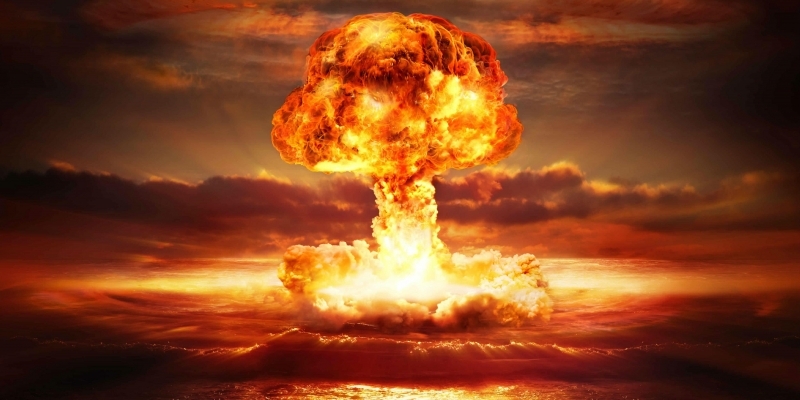
Илмий фантастика устаси бўлган Уэллс бу атамани Японияга қарши ядро қуроли ишлатилишидан 30 йил олдин ёзган эди. У 1914 йилда ёзган “The World Set Free” (Озод қилинган дунё) романи глобал урушдаги ядро портлаши ҳақида эди. Муаллиф ядро занжирли реакцияларнинг илмий тафсилотларини билмаган бўлса-да, узоқ давом этувчи, радиоактив буғ чиқарувчи гранаталарни тасвирлайди. Ҳатто у бомбаларнинг самолётлардан гавжум шаҳарларга ташланишини ҳам ёзган. Бу эса 1945 йил августида Хиросима ва Нагасакида фожиага айланган воқеанинг ўзидир.

BBC маълумотларига кўра, 1933 йилда венгриялик физик Лео Силард айнан Уэллснинг китобидан илҳом олиб, ядро занжир реакциясини аниқлаган. Шу орада немис физиклари уранда ядро бўлинишини ўрганиб, ядрони нейтрон орқали ажратиб, улкан энергия ажралишини аниқлаган эди. Германия уранни экспорт қилишни тўхтатгач, Силард Эйнштейн билан маслаҳатлашиб, АҚШ президенти Франклин Делано Рузвельтга таҳдид ҳақида хат ёзади. Бу машҳур “Эйнштейн-Силард хати” бўлиб, айнан у илк ядро бомбаларини яратиб, синовдан ўтказган ва портлатган “Манхэттен лойиҳаси”ни бошлаб беради.
Дональд Трампнинг президент бўлиши
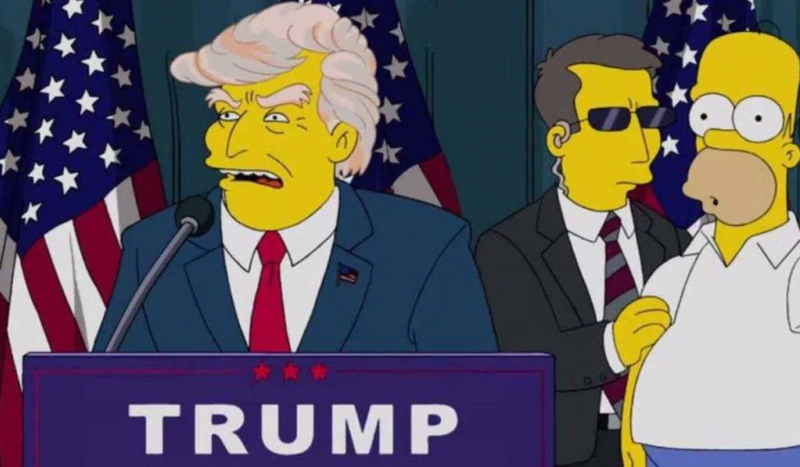
Илк бор 1989 йилда эфирга узатилган “Симпсонлар оиласи” ўшандан буён машҳурлигича қолмоқда. Ижтимоий ҳодисаларнинг бир оила муносабатларида акс этиши ва кескин сатиралардан ташқари келажак башоратлари ҳам бунга сабабдир. Дональд Трампнинг 2016 йилда президентликка келиши “Симпсонлар оиласи” томонидан башорат қилинган ва ростдан содир бўлган кўплаб ҳолатлардан биридир. Мультисериалнинг “Барт келажакда” номли қисмида таътилдаги оила казино бўйлаб сайр қилади. Ёш Барт учратиб қолган фолбин уни 30 йил кейинги келажак билан таништиради. Келажакда у ўзининг омадсиз мусиқачи бўлиб қолгани, синглиси Лизанинг эса АҚШ президенти бўлиб Оқ Уйда вазирлар йиғинини ўтказаётганини кўради. Лиза нутқида шундай дейди:
“Президент Трампдан катта бюджет танқислиги мерос бўлиб қолди”.
Мазкур жумла бизнесмен Трампнинг президент бўлиши ҳақидаги башорат ўлароқ қабул қилинади. Ушбу мультисериалнинг ҳақиқатга айланган бошқа кўпгина эпизодлари билан аввал эълон қилинган мақолада танишишингиз мумкин.
Юқорида келтирилган башоратларнинг ҳайратланарли даражада аниқ чиқиши инсон тафаккури ва воқеаларни олдиндан сезиш қобилияти чегаралари ҳақида ўйлантиради. Морган Робертсоннинг “Титан” ҳақидаги асари ёки Уеллснинг ядро қуроли ҳақидаги фантастик ғоялари кўпроқ кузатувчанлик ва технологик ривожланишни олдиндан кўра олиш қобилияти билан изоҳланади. Айни пайтда, “Симпсонлар оиласи” мультсериалидаги каби тасодифий ёки сатирик башоратлар эса замонавий маданиятда кутилмаган янгиликларга тайёр туриш заруратини кўрсатади. Қолаверса, мазкур сериал таниқли сиёсий ва фалсафа таҳлилчилари томонидан сценарийлаштирилган. Бу эса воқеаларнинг етти ўлчаб, прогноз қилинганини англатади. Шундай экан, башоратлар ҳақида тўғри хулоса чиқариш учун уларни чуқур таҳлил қилиш, тарихий ва илмий контекст билан солиштириш муҳимдир. Акс ҳолда, улар фақатгина афсона ёки ривоят бўлиб қолаверади.

Live
БарчасиЖиззахда 10 ёшли қиз зўрланди
06 Октябрь
Сергелидаги масжидга ўт кетди
03 Октябрь