Тарбиячи ёки зўравон? Боғчалардаги даҳшатлар
Таҳлил
−
11 Апрель 4502 3 дақиқа
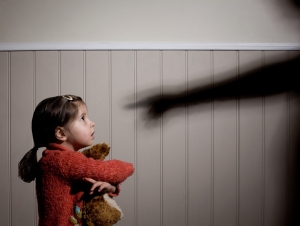
Боланинг устига қайноқ сув қуйган тарбиячи, боланинг қўлини санчқи билан куйдирган боғча ходими, калтакланиб мажруҳ бўлган тарбияланувчи, ҳатто электр токи уриши оқибатида ҳалок бўлган гўдак – булар қўрқинчли фильм сценарийси эмас, балки мактабгача таълим ташкилотларида тарбиячилар томонидан ожиз болаларга нисбатан содир этилаётган шафқатсизликлар, зўравонликлардир.
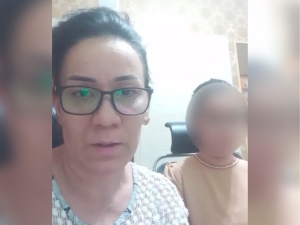
Сўнгги вақтларда таҳририятга фарзандлари боғчаларда калтакланаётгани ҳақида мурожаат қилаётган ота-оналар сони ортиб бормоқда. Ўқув хоналарига кузатув камералари ўрнатилганига қарамай, айрим тарбиячилар томонидан болаларга нисбатан зўравонлик давом этмоқда. Айрим ҳолатларда бу каби қилмишларга ташкилот раҳбарияти ҳам кўз юмаётгани айтилмоқда. Кузатув камераларидаги ёзувларни яшириш ёки далилларни йўқ қилиш ҳолатлари учрамоқда. Ҳатто шундай тарбиячилар ҳам борки, улар ўзлари содир этган зўравонлик тасвирларини яқинларига тарқатишдан ҳам тап тортмайди.
2025 йил январидан 2026 йил апрелига қадар бўлган даврда ўнлаб шундай ҳолатлар ошкор этилди. Шу вақт оралиғида тарбиячиларнинг бепарволиги оқибатида камида 3 нафар гўдак мактабгача таълим муассасаларида бахтсиз ҳодиса сабаб ҳаётдан кўз юмган. Бу эса ота-оналарда жиддий хавотир уйғотиб, фарзандини боғчага бериш борасида иккиланишни кучайтирмоқда.
Хусусан, Наманган шаҳридаги нодавлат мактабгача таълим ташкилотларидан бирида болаларнинг мунтазам калтакланаётгани ҳақида мурожаатлар келиб тушган. Шунингдек, жорий йилнинг 7 апрель куни Навоий шаҳридаги яна бир хусусий боғчада тарбиячи кичик гуруҳ болаларини тепиб, калтаклагани ҳақида хабарлар тарқалди. Айрим болалар қўрқув оқибатида нутқида нуқсон пайдо бўлгани, бошқалари эса шифохонага ётқизилгани айтилмоқда.
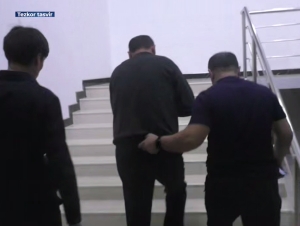
Бундай ҳолатлар юзасидан масъул идоралар одатда расмий изоҳ бериш билан чекланади. Кўпинча айбдорлар билан меҳнат шартномаси бекор қилингани маълум қилинади. Ваҳоланки, айрим ҳолатларда маъмурий ёки жиноий жавобгарлик қўлланилган тақдирда ҳам жазолар жиддий эмас. Масалан, ўтган йили Тошкент шаҳрида 5 ёшли болани калтаклаган тарбиячига нисбатан атиги БҲМнинг 3 баробари миқдорида жарима тайинланган.
Аслида аёллар ва болаларга нисбатан зўравонлик деганда фақат жинсий тажовуз ёки эркинликни чеклаш тушунилмайди. Ожиз болаларга нисбатан қўлланилаётган жисмоний зўравонлик ҳам айнан шу тоифага киради. Бу борада масала кўп бора кўтарилган, давлат раҳбари томонидан ҳам болаларга нисбатан зўравонлик мутлақо кечирилмаслиги кўп бора таъкидланган.
Сўнгги йилларда мактабгача таълим тизими сезиларли даражада кенгайди. Агар 10 йил аввал боғчаларга қатнаётган болалар сони 700–750 минг атрофида бўлган бўлса, бугунги кунда бу кўрсаткич 2 миллиондан ошди. Хусусий сектор кенг жалб этилди, давлат-хусусий шериклик асосида минглаб янги муассасалар ташкил этилди. Ҳозирда республика бўйича қарийб 40 мингта мактабгача таълим ташкилоти фаолият юритмоқда, уларнинг катта қисми хусусий секторга тўғри келади.
Тизимда иш ўринлари кўпайди, тарбиячиларнинг ойлик маошлари оширилди, малака ошириш ва олий таълим олиш имкониятлари кенгайтирилди. Бироқ яратилган шароитларга қарамай, айрим тарбиячилар томонидан хизмат мавқеидан фойдаланиб, болаларга нисбатан зўравонлик ҳолатлари давом этаётгани тизимда ҳали жиддий муаммолар борлигини кўрсатади.
Мутахассислар фикрича, бу ҳолатлар кўп жиҳатдан кадрлар танлашдаги камчиликлар, тарбиячиларнинг психологик ҳолати ва масъулият даражаси етарлича ўрганилмаётгани билан боғлиқ. Айримлар учун болани уриш “тарбия усули”га айланиб улгурган. Ваҳоланки, халқаро тажриба болаларни зўравонликсиз ҳам самарали тарбиялаш мумкинлигини аллақачон исботлаган.
Энг муҳими, болалар ҳуқуқи қонун билан қатъий кафолатланган. Бола оддий фуқаро эмас, у алоҳида ҳимояга муҳтож шахсдир. Ҳеч ким – на ота-она, на тарбиячи унга нисбатан зўравонлик қилишга ҳақли эмас!
Воқеа тафсилотлари билан батафсил танишиш учун QALAMPIR.UZ’нинг YouTube’даги саҳифаси орқали ушбу видеони томоша қилинг.

Live
Барчаси23 Октябрь