Путиннинг “сўнгги” 10 куни
Review
−
29 July 2025 9666 6 minutes
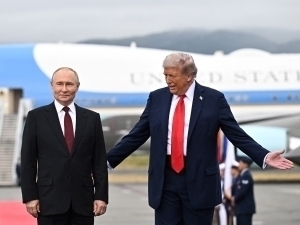
Муддатлар масаласида пиарни қойилмақом қиладиган, аммо вақт-соати етиб келганда “бу шунчаки киноя” эди деб қўяқоладиган АҚШнинг амалдаги Президенти яна жиддий сиёсий жараён учун муҳлат белгилади. Икки ҳафта олдин Россия етакчиси Владимир Путинга босқинни тўхтатиш учун 50 кунлик муҳлат берган Дональд Трамп энди бу муддатни 10-12 кунга қисқартирди. Аммо қисқартириш ҳам ўзига хос иккалинишли экани яққол кўриниб турибди. АҚШ етакчиси Россия раҳбари билан ортиқ ҳисоблашиб ўтирмаслиги, бундан фойда йўқлиги ва натижаси олдиндан кўриниб турганини айтганига қарамай, унга берилган муҳлат 10-12 кун дейилганининг ўзи Трампнинг ҳали ҳануз бу борада қатий бир тўхтамга келмаганидан далолатдир. Умуман олганда эса, ортда қолган даврдан хулоса қилинса, Трамп томонидан қайсидир масала юзасидан “deadline” белгиланиши, унинг бажарилмаслигини англатади, дейиш мумкин. Украинадаги босқинни тўхтатиш бўйича дастлаб, 24 соат, ундан кейин 100 кун ва охирида “буни қандай амалга оширишни билмайман” деган одамнинг кимгадир муҳлат бериши бундан буёғига жиддий аҳамият касб этмайди. Айниқса, бу муддат 3,5 йилдан буён деярли бутун дунё қаршилик қилиб келган қонли урушни давом эттираётган Путинга берилса, янада ишончсиз ва натижасиз бўлиши ҳеч гап эмас. Бироқ нима бўлган тақдирда ҳам Москвага қўйилган муҳлат жуда оғир вазндаги мамлакат Президенти томонидан белгиланмоқда ва Трамп муддатлар борасида жуда мужмал бўлсада, барибир у дунёнинг энг қудратли давлати бошқарувида эканини унутмаслик лозим.
50 дан 10 га
Эсингизда бўлса, 14 июль куни Дональд Трамп Оқ уйда НАТО Бош котиби Марк Рютте билан учрашувда 50 кун ичида Украинада тинчлик ўрнатиш бўйича келишувга эришилмаса, АҚШ Россиянинг савдо ҳамкорларига 100 фоизлик иккиламчи божлар жорий этишини маълум қилганди. Трамп ўз аёли Мелания олдида Путин масаласида юзи шувут бўлиши ҳақида жуда кўп муҳокамаларга сабаб бўлган гапларини айнан ўша ерда тилга олганди. Бироқ 50 кунлик муҳлат кўпчиликка, хусусан, Ғарб элитасига унчалик ёқиб тушмади. Оқ уйга ташрифи чоғида саваланган ва энг сўнггида ҳайдаб чиқарилгандек тассурот қолдирган Зеленский 50 кун учун ҳам жон деб миннатдорлик билдирганига қарамай, ЕИ расмийлари бу муҳлатни бироз танқид остига олиб, ушбу 50 кун Украинани вайрон қилиш учун қўшимча вақт эканини таъкидлаганди.
Шундан сўнг, 50 кунлик “ультиматум” ҳамманинг назарини Оқ уй, Кремль ва Украинадаги вазиятга ҳамда унинг қандай йўналиш олишига қаратди. Дастлаб, Кремль матбуот котиби Дмитрий Песков Дональд Трампнинг Россия ҳамкорларига 100 фоизлик бож жорий қилиш ҳақидаги таҳдидини “жиддий” деб баҳолади ва бу баёнот Кремль томонидан таҳлил қилинаётганини маълум қилди. Шунингдек, у Россия Президенти Владимир Путин бу борада шахсан изоҳ бериши мумкинлиги, аммо ҳозирча унинг позициясини кутиш лозимлигини урғулади. Кўп ўтмай, Путиннинг позицияси қандай экани намоён бўлди. Россия Украинага босқинни кучайтирди. Украина шаҳарлари осмонида Россиядан учирилган дронлар ва ракеталар камаймади. Аммо Дональд Трамп шу кунлар давомида кўп эҳтимол Путиннинг қўнғироқ қилиши ва тинчлик учун қандайдир ташаббусни илгари суришини кутган бўлиши мумкин. Бироқ Россия етакчиси янги ташаббусларини тинчлик музокаралари учун эмас, аксинча босқин ҳаракатларида намоён қилди. Бу эса табиийки, Трампнинг сабр-косасини тўлдирди.
26 июлга келиб эса АҚШ Президенти Шотландияга ташриф буюрди. У 27 июнь куни Еврокомиссия раҳбари Урсула фон дер Ляйен билан, 28 июлда эса Буюк Британия Бош вазири Кир Стармер билан учрашув ўтказди. Кун тартибидаги асосий масала ЕИ билан савдо битими ва Украина эди. Фон дер Ляйен билан икки ўртадаги савдо битими ва Иттифоқни 15 фоизлик бож тўлашга мажбур қила олган Трамп Стармер билан учрашув кириш қисми ва ўртасида жуда куҳим баёнот билан дунё эътиборини яна ўзига қаратди. У учрашув бошланиши арафасида Украина бўйича можарони ҳал қилиш учун илгари белгиланган “ультиматум” муддатини қисқартиришини эълон қилди. Аммо у шу жойнинг ўзидаёқ Россияга қўйилган deadline айнан қанча вақтга қисқартирилганини очиқламади.
Бироқ ичкарида Трамп бу муддат 10 ёки 12 кун этиб белгиланишини маълум қилди. Стармер билан музокаралар якунида журналистларга очиқланган мазкур янгиланган ва қисқартирилган муҳлатнинг сабаби сифатида эса тинчлик музокаралари томон Россиядан ҳеч қандай ҳаракат йўқлиги келтирилди.
“Мен бугундан бошлаб янги муддат белгилайман – 10 ёки 12 кун. 50 кун кутишнинг маъноси йўқ. Мен сахий бўлишни хоҳлайман, лекин биз ҳеч қандай тараққиётни кўрмаяпмиз”, деди Оқ уй раҳбари.
АҚШ Президентининг сўзларига кўра, у Россияга нисбатан янги чекловларга мурожаат қилмасликни афзал кўради ва ҳали ҳам Украинадаги жанговар ҳаракатлар тўхтатилишига умид қилмоқда. Трамп яқин 24 соат ичида “ультиматум” қўйиш муддати бўйича якуний қарорни қабул қилишини таъкидлади ва 28 июнь куни айтилган бу гап кейинги 24 соат ичида расмийлаштирилишини қўшимча қилди. Трамп шу куни Путин билан бир неча бор музокаралар олиб боргани, бироқ орадан кўп ўтмай, Россия Президенти Киев ва бошқа шаҳарларга ракеталарни учиришни бошлаши ва одамларни ўлдиришда давом этишини яна такрорлади. Шунинг у Путиндан ҳафсалам пир бўлди, деган гапни ҳам яна қайта қайта такрорлашни унутмади.
Шотландиядаги “шоу”
Путинга берилган 10 кунлик “ультиматум”дан ташқари, мазкур муҳлат қаерда берилгани ва Трампнинг бу ерга ташрифи қандай амалга оширилганига ҳам тўхталиб ўтиш ўринли. АҚШ Президенти онасининг ватани ҳисобланадиган Шотландияга келиб қўнар экан, ўзини бу ернинг ҳукмдоридек тутди. Масалан, Буюк Британия Бош вазири Стармер билан учрашув Трампга қарашли ҳудудда ўтказилди ва унда Стармер эмас, балки Трамп мезбон сифатида ҳаракат қилди. Аслида Бирлашган Қиролликнинг бир қисми бўлган Шотландиядаги ушбу музокаралар протокол бўйича бошқача кечиши керак эди. Аммо Стармер Трампни эмас, Трамп Стармерни кутиб олди. Аслида эса Шотландия ҳуқуқий мақомига кўра, Буюк Британия таркибига киради, лекин ўзининг мустақил ҳуқуқий тизимини сақлаб қолган. У Англия ва Уэлсдаги тизимдан мустақил равишда ишлайди ҳамда ўз қонунлари ва суд амалиётига таянади. Бироқ шундай бўлсада, бу ерлар Бирлашган Қироллик таркибида ва Трамп бу масаладаги протоколни бутунлай бузди.
Ўзи умуман Стармер ва Трамп ўртасидаги муносабатлар сўнгги пайтларда ҳеч қандай протоколга таянмаяпти. Оқ уйдаги учрашувда у томонидан Трампга Қиролнинг Британияга ташриф таклифи ёзилган хат ва бу сафарги учрашувдаги ҳолат бунга далилдир. Протоколни тўлиқ бузган ҳолда, Трамп Буюк Британия Бош вазирни ўз самолётида Шотландия бўйлаб айлантириб, бошқа гольф клубига олиб кетгани ҳам кўплаб мақола ва хабарларнинг бош мавзуси бўлди. Шундан бир кун олдинроқ, 27 июль санасида Европа Комиссияси раҳбари Урсула фон дер Ляйен ҳам Трампга қарашли Тернберри майдонига келиб, европаликлар томонидан “таслим бўлиш” деб аталаётган савдо битими билан ортга қайтганди.
Live
All