Президент 28 ҳудудда камбағалликни 2 баравар қисқартиришни буюрди
Жамият
−
14 Октябрь 2025 6219 2 дақиқа
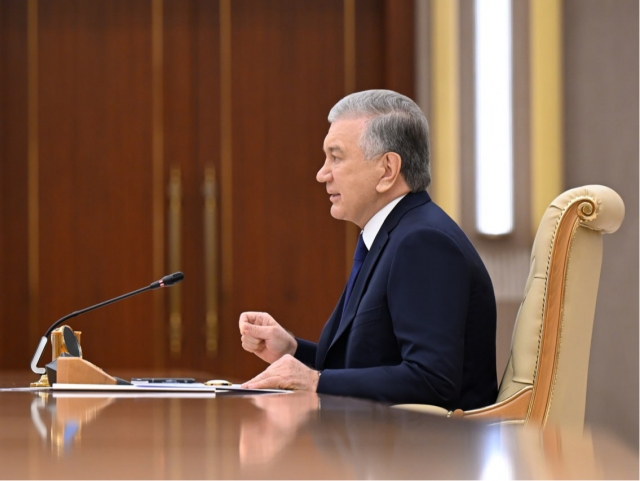
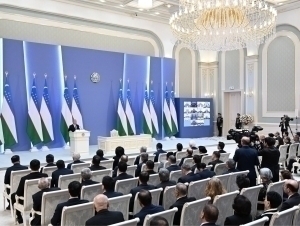
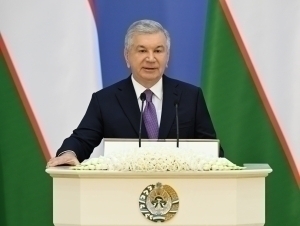
Ўзбекистонда маҳаллаларга маблағ ажратилиб, шароит яратилгани учун шу йилнинг ўзида 237 минг оила камбағалликдан чиқди. Лекин ҳозирда 28 та кичик туманда ишсизликка қарши етарли чора кўрилмаяпти. Бу ҳақда Президент Шавкат Мирзиёев бугун, 14 октябрь куни маҳалла тизимини янада такомиллаштириш ва жойларда ишларни самарали ташкил этиш масалалари юзасидан видеоселектор йиғилишида сўз очди.
Маҳалла тизими учун масъул раҳбарларга бугунданоқ ишчи гуруҳи тузиш ва ушбу 28 та туманга бориб, улардаги ишсизлик, камбағаллик ва жиноятчиликни келаси йили 2 карра қисқартириш бўйича чора-тадбирларни ишлаб чиқиш топширилди.
Маълумки, маҳаллаларга 2 минг квадрат метргача бўш давлат объектларини аукционга чиқариш ваколати берилган. Масалан, Самарқанд шаҳар Шодлик маҳалласи 1,5 минг квадратли бино сотувидан маҳалла бюджетига 5 миллиард сўм туширган.
“Кўряпсизларми, қолган маҳаллаларда ҳам “еттилик” изланса, 3 мингга яқин бундай биноларни сотиш орқали анча масалани ҳал қилса бўлади”, деди Президент.
Эндиликда маҳалла раиси ва ҳоким ёрдамчиси бўш турган 5 минг квадратгача бўлган давлат мулкини аукционга чиқариши мумкин бўлади. Сотувдан тушган маблағнинг 70 фоизи маҳалланинг ўзида қолади ва инфратузилмага сарфланади.
Йиғилишда маҳаллаларда тадбиркорлик лойиҳаларини кенгайтириш масалалари ҳам муҳокама қилинди. Яратилган имкониятлар ҳисобига 7 мингта маҳалла мева-сабзавот, гулчилик, асаларичилик, тикувчилик, мебелсозлик, савдо ва сервис каби 15 та йўналишга ихтисослашди. 3 минг 326 та маҳалладаги 50 фоиз хонадон бу тизим билан қамраб олингани учун 1,5 миллион оила даромадли бўлди.
Маҳалла банкирлари, ҳоким ёрдамчилари ҳар бир маҳаллада ўртача 40 тадан микролойиҳа қилиши учун уларга жорий йилда 6,5 триллион сўм ресурс берилди. Лекин шунча ресурс берилса-да, ҳамма ҳокимлар ва “маҳалла еттилиги” ҳам бир хил ишламаётгани таъкидланди. Ҳудудлардаги 2 минг 356 та маҳаллада эса ҳали ихтисослашув даражаси анча паст.
Мутасаддиларга барча маҳаллада ихтисослашувни охирига етказиш кераклиги кўрсатиб ўтилди. Бунда маҳаллалар аҳолиси билан учрашиб, уларнинг салоҳиятидан келиб чиқиб, аниқ ихтисослигини белгилаш, камида 200 минг аҳолини банд қиладиган микролойиҳаларни шакллантириш топширилди. Келаси йилдан мева-сабзавотга ихтисослашган 2 минг 682 та маҳаллага саноат олиб кириш учун имтиёзли ресурслар, аввало, сақлаш, қайта ишлаш ва қадоқлаш лойиҳаларига берилади.

Live
Барчаси26 Октябрь
26 Октябрь