Май ойи кузатувлар тарихидаги энг иссиғи бўлди – Ўзгидромет
Бу қизиқ
−
09 Июнь 2025 3633 3 дақиқа
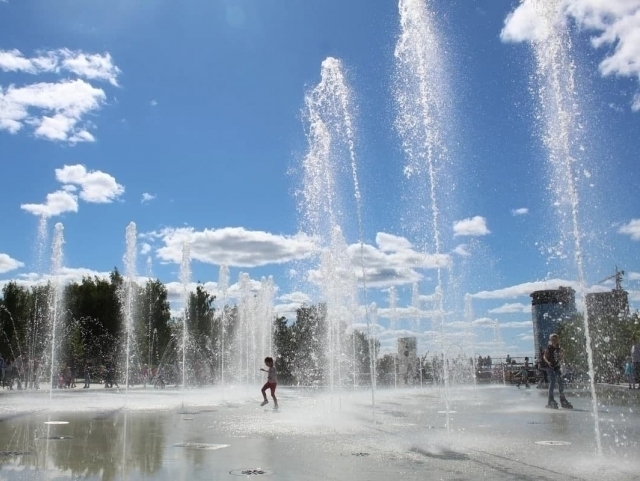
Бу йил май ойи жуда юқори ҳарорат фони билан ажралиб турди. Ойнинг катта қисмида ўртача бир кеча-кундузлик ҳаво ҳарорати иқлим меъёридан 4-6 даражага, айрим даврларда эса 7-9 даражадан юқори бўлди. Бу ҳақда Ўзгидромет хабар берди.
Қайд этилишича, фақат май ойининг охирги кунларида Ўзбекистон ҳудудига ўрта тропосферада сиклоник айланиш билан боғлиқ бўлган нам ва нисбатан салқин ҳаво массалари кириб келган.
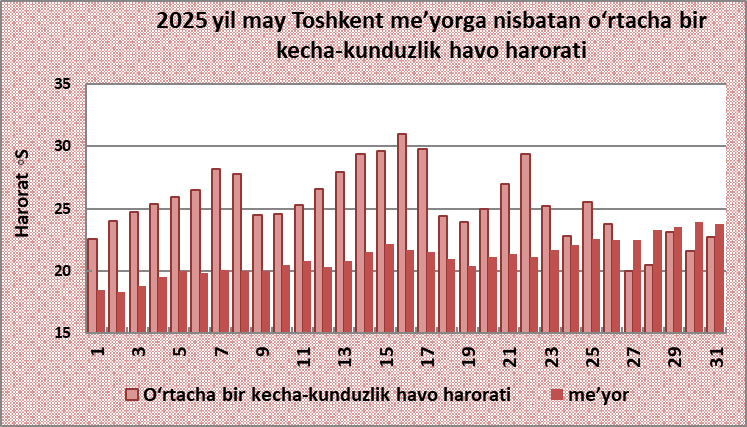
27 майдан ой охиригача паст ҳарорат фони сақланиб турган. Кундузги ҳарорат 25-30 даражадан, баъзи жойларда 20-23 даражадан ошмаган.
2025 йил май ойида ўртача ойлик ҳаво ҳарорати иқлим меъёридан 2,5-4,5 даражага юқори бўлган. Республиканинг барча ҳудудлари бўйича ўтган май ойи энг илиқ май ойлари учлигига кирган.
Республиканинг кўпчилик ҳудудларида (шу жумладан Тошкент шаҳрида) ўтган май ойи Ўзбекистондаги метеорологик кузатувлар тарихидаги энг илиқ май ойи бўлган.
Энг иссиқ кунларда максимал ҳаво ҳарорати ёз фаслига хос бўлган қийматларга – 37-40 даражага, шимолда, жанубда ва чўл ҳудудларда 41-43 даражага, Қизилқум чўлининг ғарбида 45 даражага етган.
Билдирилишича, ўтган май ойи нафақат экстремал иссиқ, балки экстремал қуруқ бўлган.
Хоразм, Бухоро, Сурхондарё вилоятларида ва Қорақалпоғистон Республикаси, Навоий, Самарқанд, Қашқадарё вилоятларининг кўпчилик ҳудудларида ой давомида ёғингарчилик ойлик меъёрдан 0 фоиздан 10 фоизгача бўлиши кузатилган.
Республика шимолида, чўл ҳудудларида ва жанубида бундай қуруқ май ойлари ўртача 7-9 йилда 1 марта қайд этилади.
Масалан, Самарқандда ёғингарчилик 0,0 мм (ўтган май ойида шунча ёққан) бўлиши метеорологик кузатувларнинг асрлик тарихида атиги 3-ҳолат.
Меъёрга нисбатан энг кўп ёғингарчилик Фарғона водийсининг тоғолди ва тоғли ҳудудларбда ёққан – баъзи жойларда меъёрдан 60-80 фоизгача, Қўқон метеостанцияси ҳудудида эса 103 фоиз бўлган. Республиканинг қолган ҳудудларида ойлик ёғингарчилик миқдори меъёрнинг 20 фоиздан 50 фоизгачани ташкил этган. Ёмғирлар асосан учинчи ўн кунлигининг айрим кунларида ёққан.
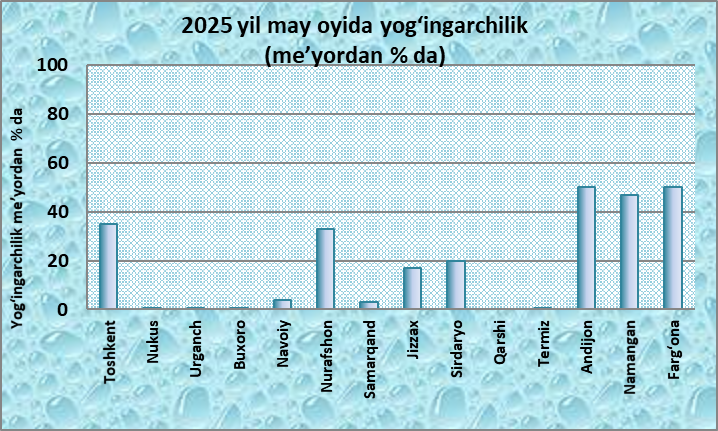
Сурхондарё, Наманган, Жиззах, Қашқадарё ва Фарғона вилоятларида сел-сув тошқин ҳодисалари қайд этилган.
Республиканинг баъзи жойларида шамол 15-20 метр/сониягача кучайиши, айрим кунларда кучайиш баъзида 22-25 метр/сонияга етиши кузатилган.
Республика чўл ҳудудларида ва энг чекка жанубида шамолнинг кучайиши баъзида чанг-тўзонлар билан қайд этилган.
17 май куни Тошкент шаҳрида атмосфера фронти зонасида шамол кучайиши натижасида чангли бўрон кузатилган. Кучли шамол ҳавога катта миқдорда қум ва чангни кўтарган, бу эса жанубий Қозоғистон ҳудудларидан келган чанг билан бирга кўринувчанликни сезиларли даражада ёмонлашишига сабаб бўлган.
Пойтахтда ҳавони кучли чангланиши баъзи жойларда соат 22:00 гача сақланиб турди.

Live
БарчасиОҳангаронда ўқитувчи ўқувчини калтаклади
22 Октябрь
Австралияда кучли ёмғир ёғди
22 Октябрь
Гретсияда ҳам талабалар намойиш бошлади
22 Октябрь